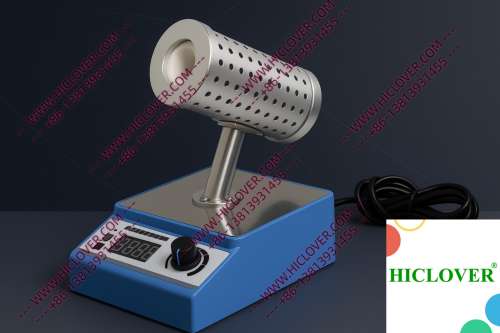
In the dynamic landscape of veterinary medicine, achieving robust biosafety is paramount, particularly when it comes to laboratory practices. Laboratories encounter practical challenges that demand meticulous sterilization workflows, from preventing cross-contamination in animal sample testing to ensuring precision in microbial culture transfers. As veterinary diagnostics evolve, the need for innovative sterilization methods becomes increasingly significant. This article will explore cutting-edge solutions, focusing on the Micro Incinerator / Infrared Inoculating Loop Sterilizer as a critical tool in modern veterinary laboratories.
The Role of Infrared Sterilization Technology
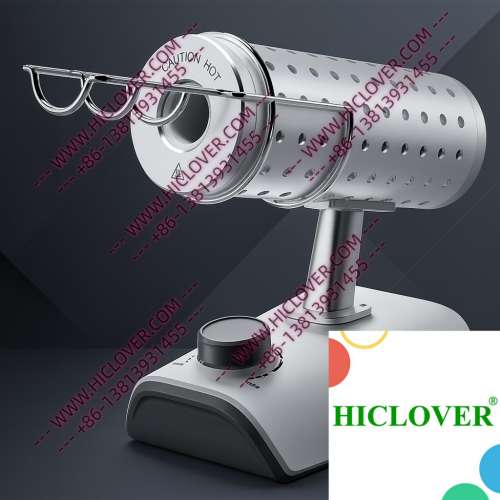
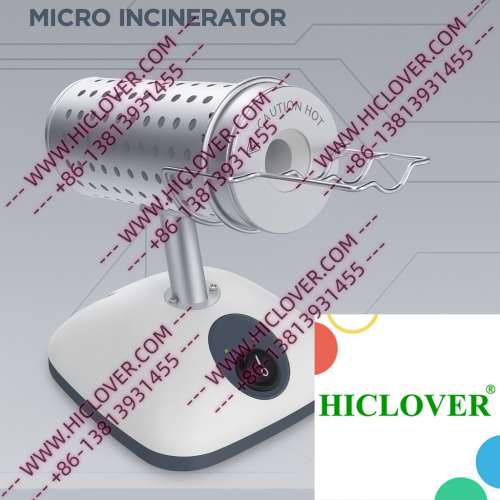
At the heart of the Micro Incinerator lies the advanced infrared heating technology. Unlike traditional flame-based sterilization methods, the Micro Incinerator utilizes an enclosed ceramic tube to deliver radiant heat. This infrared high-temperature disinfection can reach up to 800°C (1472°F) almost instantly, effectively sterilizing inoculating loops, needles, and other small metal instruments. The precise and rapid thermal sterilization reduces the risk of aerosol generation during the sterilization process, promoting greater safety within the laboratory environment.
Key Advantages Over Traditional Flame Sterilizers
- Safety: The Micro Incinerator eliminates open flames, significantly reducing fire hazards, which is a primary concern in sterile laboratory environments.
- Rapid Results: Achieve sterilization in a matter of seconds, enhancing workflow efficiency compared to traditional alcohol lamps and Bunsen burners.
- Contamination Control: Minimized aerosol emissions help in maintaining cleaner workspaces, particularly crucial in BSL-2 and BSL-3 microbiology labs.
Applications in Laboratory Settings
The application of the Micro Incinerator extends across various laboratory settings within veterinary medicine:
1. Biosafety Cabinets
In biosafety cabinet environments, where handling infectious materials is routine, the Micro Incinerator provides a safe and efficient mode of sterilization. Lab technicians can quickly sterilize their inoculating loops between sample transfers without fear of generating harmful aerosols or affecting the sterile environment. This synergy enhances the operational safety of BSL-2 laboratories engaged in clinical diagnostics.
2. Field Testing Labs
In mobile veterinary field testing scenarios, where accessibility can be a challenge, the compact design of the Micro Incinerator allows for easy transport and setup. Whether conducting tests in remote locations or during outreach veterinary campaigns, practitioners can ensure compliance with sterilization protocols effectively. The reliability and speed of the sterilization process enhance the accuracy of diagnostic results obtained in the field.
Compliance and Environmental Considerations
Compliance with established biosafety standards is critical in veterinary laboratories. Organizations like the World Health Organization (WHO) emphasize stringent sterilization protocols to prevent contamination and the transmission of infectious agents. The Micro Incinerator adheres to these guidelines by eliminating open flames, thus aligning with the stringent requirements in cleanroom settings.
A significant advantage of employing infrared sterilization is its reduced environmental impact compared to traditional methods. Traditional flame sterilizers often emit aerosols and can contribute to temperature fluctuations within controlled environments. In contrast, the closed design of the Micro Incinerator permits cleaner handling and controlled operations that minimize environmental disruptions.
Comparative Analysis: Micro Incinerator vs. Traditional Flame Burners
| Feature | Micro Incinerator | Flame Burners |
|---|---|---|
| Operating Temperature | Up to 800°C (1472°F) | Variable, typically 300-600°C |
| Aerosol Generation | Minimal | High |
| Safety | No open flame | High fire risk |
| Setup Time | Immediate | Variable, fuel dependent |
Frequently Asked Questions
What materials can be sterilized using the Micro Incinerator?
The Micro Incinerator is designed to efficiently sterilize inoculating loops, needles, and various small metal instruments typically used in microbiological procedures.
How does infrared sterilization differ from conventional flame sterilization?
Infrared sterilization operates using radiant heat rather than an open flame, which minimizes aerosol production and enhances safety in laboratory environments.
Can this device be used in field testing situations?
Yes, the compact and portable design of the Micro Incinerator makes it suitable for field testing, ensuring effective sterilization even in remote locations.
How long does it take to achieve sterilization?
The Micro Incinerator can achieve effective sterilization within seconds, which is significantly faster compared to traditional methods.
What are the power requirements for operating a Micro Incinerator?
The Micro Incinerator typically operates on standard electrical supply, making it compatible with most laboratory setups.
Conclusion
In conclusion, the Micro Incinerator / Infrared Inoculating Loop Sterilizer represents a significant advancement in sterilization technology tailored for veterinary medicine. Its rapid thermal sterilization, enhanced safety features, and compliance with biosafety standards position it as a vital asset in varying laboratory environments. As veterinary diagnostics progress, investing in reliable sterilization solutions will ensure the integrity and safety of laboratory operations.
Interested in streamlining your laboratory sterilization processes? Contact us today to explore how the Micro Incinerator can enhance your laboratory’s efficiency and safety standards.
Categories:
Tags: