
In Mozambique, the challenges faced by healthcare facilities and laboratories in managing infection control are significant. With the rise of infectious diseases and the need for rapid testing and treatment, the importance of effective sterilization methods cannot be understated. Traditional methods, such as alcohol lamps and Bunsen burners, pose risks not only in terms of efficiency but also safety. This is where innovative technologies, specifically Micro Incinerators and Infrared Inoculating Loop Sterilizers, become integral in addressing these challenges.
Understanding the Mechanisms of Infrared Inoculating Loop Sterilizers
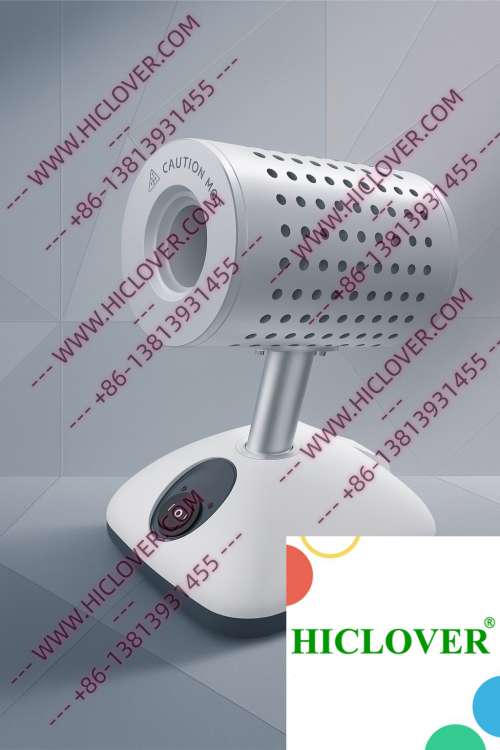
The Micro Incinerator utilizes advanced technology to achieve rapid thermal sterilization. These devices are designed with a ceramic heating chamber that produces infrared high-temperature disinfection. Unlike conventional flame sterilizers, the enclosed ceramic tube operates without open flames, significantly reducing the risk of fire hazards, especially in clean room environments or biosafety cabinets.
As researchers work in BSL-2 and BSL-3 microbiology labs, where contamination control is crucial, the Micro Incinerator provides an aerosol-free handling environment. By employing infrared heat, it eliminates pathogens swiftly while maintaining sterile conditions.
Application Scenarios in Mozambique
1. University Teaching Labs
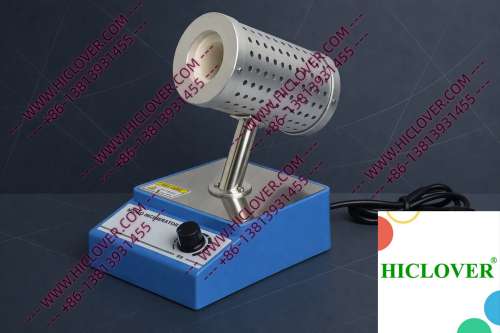
In academic settings, such as universities in Maputo, the need for quality education in microbiology and laboratory practices is vital. Micro Incinerators allow students to learn and practice sterilization techniques without the risks associated with open flames. In instructional sessions, they can safely sterilize inoculating loops and other small equipment while focusing on best practices in laboratory biosafety.
2. Mobile and Field Testing Labs
Healthcare outreach programs in rural Mozambique frequently set up mobile testing labs to provide vital diagnostics. Here, the portability and simple operation of Micro Incinerators enable healthcare workers to efficiently process samples in the field. Their capabilities allow for quick sterilization of tools, ensuring that high standards of safety and hygiene are maintained, regardless of location.
Biosafety Compliance and Environmental Considerations
WHO biosafety standards emphasize the need for strict infection control measures, particularly in laboratories working with pathogenic organisms. Compliance requirements further dictate the usage of tools that do not compromise environment safety. Flame sterilizers, while effective, can generate harmful aerosols and are unsuitable for clean room practices. The Micro Incinerator meets stringent lab sterilization standards, offering a clean and flame-free alternative that aligns perfectly with the WHO’s guidelines.
- No open flames reduce fire risk.
- Environmental clean-up is simpler without the ash or soot from conventional methods.
- Aerosol-free operation protects laboratory workers and field practitioners.
Advantages of Micro Incinerators over Traditional Flame Sterilizers
Traditional methodologies, such as alcohol lamps and Bunsen burners, have longstanding use in laboratories. However, with advances in technology, Micro Incinerators present distinct benefits:
- Faster Sterilization: Infrared heating enables instant sterilization compared to the pre-heating time of flame apparatuses.
- Increased Safety: No flame means reduced risk of accidental ignition or burns, particularly in crowded or confined spaces.
- Enhanced Effectiveness: Even heat distribution ensures thorough sterilization of tools.
Comparison Table: Micro Incinerator vs. Flame Burners
| Feature | Micro Incinerator | Flame Burners |
|---|---|---|
| Heat Source | Infrared | Open Flame |
| Fire Hazard | Minimal | High |
| Heating Time | Instant | Pre-heating Required |
| Contamination Control | High | Moderate |
Frequently Asked Questions (FAQs)
What is the primary advantage of using a Micro Incinerator?
The primary advantage is its safe, rapid sterilization capabilities that eliminate the risks associated with open flames.
Can Micro Incinerators be utilized in field labs?
Yes, they are particularly beneficial in mobile labs due to their portability, efficiency, and safety features.
How does the Micro Incinerator ensure compliance with WHO biosafety standards?
By providing flame-free, efficient sterilization, these devices meet the stringent safety and environmental guidelines set by the WHO.
Is training required for using a Micro Incinerator?
While it is user-friendly, proper training on operational procedures and safety protocols is recommended.
Are Micro Incinerators suitable for all types of labs?
Yes, they are versatile and can be used in various laboratory settings, including academic, clinical, and field environments.
Conclusion
The adoption of Micro Incinerators and Infrared Inoculating Loop Sterilizers in Mozambique presents a revolutionary approach to infection control in healthcare and laboratory settings. By ensuring safety, compliance, and efficiency, these advanced sterilization solutions are vital for improving health outcomes and educational quality. For distributors, hospitals, and research centers, investing in cutting-edge sterilization technology is essential for elevating laboratory practices. Contact us today to learn more about how our Micro Incinerators can enhance your sterilization workflow.
Categories:
Tags: