
The landscape of healthcare in Sudan faces numerous challenges, particularly in laboratory settings where biosafety is paramount. One of the pressing issues is the sterilization of lab instruments, which plays a crucial role in contamination control. Traditional methods, such as flame sterilizers, are often insufficient for today’s rigorous laboratory demands due to their inherent risks and limitations. Enter the Micro Incinerator / Infrared Inoculating Loop Sterilizer—an innovative solution transforming laboratory sterilization practices across Sudan.
Understanding the Micro Incinerator
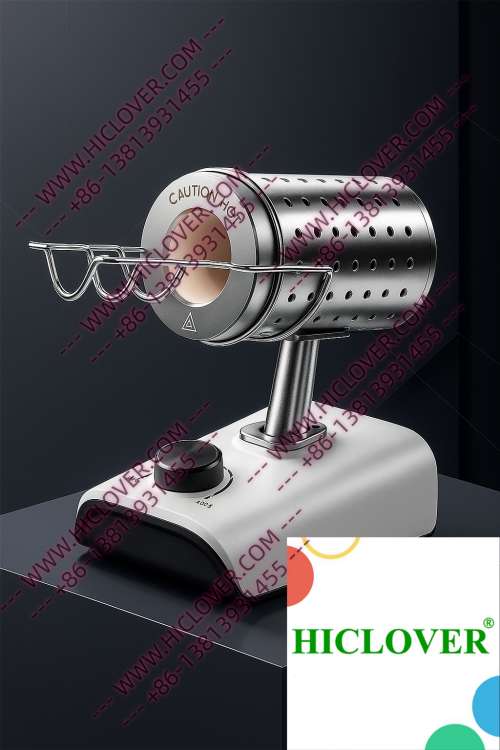
The Micro Incinerator utilizes advanced infrared heating technology to provide rapid thermal sterilization. Unlike traditional alcohol lamps or Bunsen burners, which require an open flame, this device operates within a controlled, enclosed ceramic heating chamber. This design not only ensures consistent temperature regulation but also promotes safety in clean room environments, eliminating the risk of fire hazards and aerosol dispersion.
Key Features of Micro Incinerators
- Rapid Thermal Sterilization: Efficiently heats inoculating loops to sterilization temperatures in seconds.
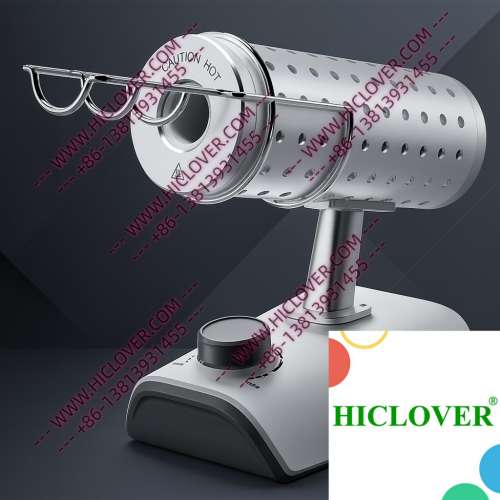
- Enclosed Ceramic Tube: Provides controlled heating, ensuring that sterility is achieved without disturbing the surrounding environment.
- Portability: Compact and lightweight, making it ideal for both laboratory and field applications.
- Environmentally Friendly: No flames or harmful emissions, compliant with WHO biosafety guidelines.
Applications in Various Laboratory Settings
Micro Incinerators are versatile tools used in a range of laboratory scenarios, making them a vital asset for various institutions in Sudan. Here are two notable applications:
1. University Teaching Labs
In academic institutions where microbiology is taught, students engage in hands-on experiments requiring high biosafety standards. The Micro Incinerator is a favored choice for sterilizing inoculating loops in BSL-2 labs, where the risk of infection and contamination must be minimized. By allowing students to use this safe, efficient tool, educators enhance learning outcomes while maintaining rigorous safety protocols.
2. Field Testing Laboratories
For researchers conducting field tests in remote areas, a portable sterilization solution is vital. The Micro Incinerator’s lightweight design enables scientists to sterilize their instruments on-site, ensuring sample integrity while adhering to high standards of contamination control. This flexibility can significantly impact public health initiatives, especially in rural regions of Sudan, where laboratory access can be limited.
Compliance and Environmental Considerations
Global health organizations, including the World Health Organization (WHO), emphasize the importance of biosafety in laboratory settings. The use of flame sterilizers is increasingly scrutinized due to their uncontrolled ignition and potential exposure risks. In contrast, Micro Incinerators adhere to established laboratory sterilization standards, promoting safety and efficacy without flame usage. This makes them notably suitable for clean rooms and other sensitive environments where contamination must be meticulously controlled.
“Transitioning from traditional flame sterilization to infrared technology not only improves safety but also enhances workflow efficiency. This is essential in the evolving landscape of Sudanese healthcare.”
Comparative Analysis: Micro Incinerator vs. Traditional Flame Burners
| Feature | Micro Incinerator | Flame Sterilizer |
|---|---|---|
| Heating Mechanism | Infrared Radiation | Open Flame |
| Contamination Risk | Low | High |
| Time to Sterilize | Seconds | Multiple Minutes |
| Safety | No Flame | Fire Hazards |
Frequently Asked Questions
1. What types of labs benefit from using Micro Incinerators?
Micro Incinerators are ideal for BSL-2 and BSL-3 laboratories, university teaching labs, and mobile testing environments where biosafety is a critical concern.
2. How does the sterilization process work?
The Micro Incinerator uses infrared heat to quickly sterilize inoculating loops, effectively killing pathogens in seconds without producing flames or aerosols.
3. Are Micro Incinerators compliant with global safety standards?
Yes, they are designed to meet WHO biosafety recommendations and other international lab sterilization standards.
4. Can they be used in field settings?
Absolutely. Their portability and ease of use make them suitable for remote locations where maintaining sterility is essential.
5. What are the advantages over traditional flame sterilizers?
Micro Incinerators offer quicker sterilization times, reduced contamination risk, and eliminate the dangers associated with open flames.
Conclusion
The introduction of Micro Incinerators into Sudan’s laboratory environments represents a transformative step in healthcare and research practices. By prioritizing biosafety and enhancing workflow efficiency, these advanced sterilizers are essential for modern laboratory operations. For laboratories, universities, and health organizations looking to upgrade their sterilization methods, investing in a Micro Incinerator can provide a significant return on investment by ensuring safety, compliance, and effectiveness in sterile procedures. For further inquiries or to place an order, please don’t hesitate to contact us!
Categories:
Tags: