
As laboratory environments strive for higher standards of biosafety and infection control, traditional methodologies are becoming insufficient. Modern laboratories in Birmingham and beyond face practical challenges in maintaining contamination control while adhering to sterilization workflow demands. The introduction of portable loop sterilizers, particularly the Micro Incinerator / Infrared Inoculating Loop Sterilizer, is set to change the landscape of laboratory sterilization equipment, promising enhanced safety, efficiency, and compliance with stringent health regulations.
Technical Principles of Infrared Inoculating Loop Sterilizers
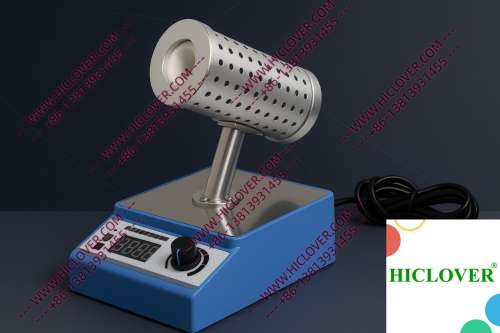
The Micro Incinerator stands out for its innovative use of infrared heat technology. The key component of this sterilizer is its enclosed ceramic heating chamber, designed to achieve rapid thermal sterilization with minimal contamination risk. When powered, the device produces high-temperature disinfection while ensuring an aerosol-free handling process.
The infrared sterilization principle works by emitting focused thermal energy, effectively sterilizing inoculating loops and other lab instruments within seconds. This is a significant advancement compared to traditional flame sterilizers, which often introduce potential hazards and require a more extensive cleanup process.
Advantages Over Traditional Flame Sterilizers
Laboratories have traditionally relied on alcohol lamps and Bunsen burners, but these methods are fraught with challenges:
- Fire Hazards: Open flames pose a constant fire risk, especially in sensitive environments like BSL-2 and BSL-3 microbiology labs.
- Contamination Risks: Traditional flame sterilizers can create aerosols, risking cross-contamination of samples.
- Efficiency: Flame-based sterilization requires numerous manual steps, prolonging workflow times.
In contrast, the Infrared Inoculating Loop Sterilizer offers quick heat-up times and consistent temperature control, improving laboratory throughput and operational safety.
Application Scenarios in Real Labs
1. Biosafety Cabinet Use
In biosafety cabinets, where airflow is critical, the Micro Incinerator provides a safe means of sterilization without disrupting airflow. It eliminates the risk of flames affecting the cabinet’s airflow dynamics, making it ideal for handling pathogenic microorganisms.
2. Field Testing and Mobile Labs
Mobile laboratories operating in diverse environments can leverage the portability of infrared sterilizers. Unlike traditional systems that may require extensive setup or an external power source, the Micro Incinerator’s lightweight and compact design allows for easy transport to various field locations, providing consistent and reliable sterilization on-site.
Compliance with Biosafety Standards
When it comes to laboratory sterilization, adherence to biosafety standards is paramount. The World Health Organization (WHO) has outlined strict guidelines for laboratory practices, particularly in clinical diagnostics and research facilities. Micro Incinerators align with these standards by:
- Eliminating Open Flames: They are compliant with clean room regulations that prohibit open flames, thus maintaining the integrity of the sterile environment.
- Enhancing Safety Protocols: They support the safe handling of biological samples, critical in laboratories working with high-risk pathogens.
- Providing Rapid Sterilization: Reducing the time instruments spend in high-risk environments.
Comparison of Micro Incinerator and Flame Burners
| Feature | Micro Incinerator | Flame Burners |
|---|---|---|
| Heat Source | Infrared technology | Open flame |
| Safety | Low fire risk | High fire risk |
| Contamination Risk | Aerosol-free handling | Aerosol generation |
| Efficiency | Rapid sterilization | Longer sterilization times |
FAQs About Portable Loop Sterilizers
What is the primary advantage of using a Micro Incinerator in laboratories?
The primary advantage is its ability to sterilize instruments rapidly and safely using infrared heat, significantly reducing the risk of contamination compared to traditional flame-based methods.
Can the Micro Incinerator be used in a BSL-3 environment?
Yes, the Micro Incinerator is ideal for BSL-3 labs as it operates without flames, aligns with biosafety protocols, and ensures aerosol-free sterilization.
What maintenance is required for an Infrared Inoculating Loop Sterilizer?
Maintenance typically involves regular cleaning of the ceramic heating element and ensuring the electrical components are in good condition. Always refer to the manufacturer’s guidelines for specific service requirements.
How does the Micro Incinerator enhance teaching in university labs?
With its safe operation and rapid results, it allows students to focus more on experimental processes without the added risks associated with flame mechanisms.
Is the Micro Incinerator energy-efficient?
Yes, the Micro Incinerator is designed to be energy-efficient, consuming less power than traditional flames while providing superior sterilization performance.
Conclusion
The adoption of portable loop sterilizers like the Micro Incinerator is a pivotal step in revolutionizing infection control in Birmingham hospitals and beyond. With their advanced safety features, compliance with global biosafety standards, and effective sterilization capabilities, these devices are becoming essential in modern laboratory settings. If you’re interested in elevating your laboratory sterilization protocols, do not hesitate to contact us for more information on acquiring a Micro Incinerator!
Categories:
Tags: