
In the fast-paced realm of laboratory research, biosafety challenges are constantly evolving, particularly in facilities handling biohazardous materials. The increasing reliance on stringent sterilization protocols calls for an advanced level of laboratory sterilization equipment, especially concerning traditional flame sterilizers. As laboratories face the urgent need for reliable, rapid thermal sterilization methods, [University Name] has embraced cutting-edge technologies such as the Micro Incinerator / Infrared Inoculating Loop Sterilizer, transforming the sterilization workflow.
Addressing Biosafety Challenges with Next-Gen Technology
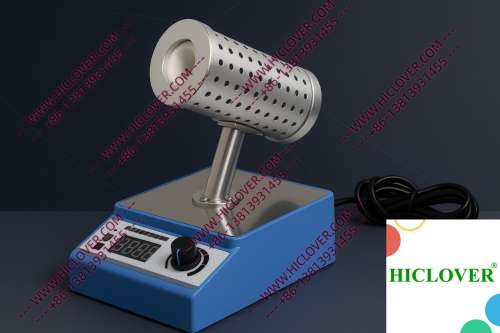
The demand for contamination control in biosafety labs, particularly BSL-2 and BSL-3 settings, necessitates the adoption of equipment that complies with rigorous standards while ensuring user safety and operational efficiency. Researchers and educators at [University Name] have found that traditional flame sterilizers like alcohol lamps and Bunsen burners pose inherent risks. These risks range from the difficulty of maintaining precision sterilization to potential fire hazards. Here, the Micro Incinerator stands out as a solution, designed to deliver reliable sterilization without the risks associated with open flames.
Technical Principles of the Micro Incinerator
At the core of the Micro Incinerator’s functionality is its unique infrared technology. This unit utilizes a ceramic heating chamber that generates high-temperature infrared heat, rapidly achieving sterilization temperatures without the smoke and aerosol generation witnessed with traditional methods. The enclosed design prevents contamination of the lab environment, making it exceptionally suitable for use in clean rooms and environments requiring stringent biosafety norms.
- Rapid Thermal Sterilization: Achieves sterilization in seconds.
- Contamination Control: Aerosol-free handling prevents cross-contamination.
- Clean-Bench-Safe: Ensures a secure operation within biosafety cabinets.
- Compact Design: Efficient use of lab space, ideal for various applications.
- What types of materials can be sterilized with a Micro Incinerator? The Micro Incinerator can safely sterilize inoculating loops, surgical tools, and other laboratory instruments used in microbiological applications.
- How long does the sterilization process take? Sterilization typically occurs in just a few seconds, significantly reducing downtime in laboratory workflows.
- Is it safe to use in a biosafety cabinet? Yes, the Micro Incinerator is designed for safe use in biosafety cabinets and does not generate aerosols or emissions.
- What are the benefits over traditional flame sterilization? Key benefits include faster sterilization times, reduced fire risk, and improved contamination control.
- Does it meet international biosafety standards? Absolutely, the Micro Incinerator complies with WHO biosafety standards, making it an excellent investment for labs demanding high safety compliance.
Application Scenarios in Real Labs
Let’s explore two illustrative scenarios where the Micro Incinerator contributes significantly to the safety and efficiency of laboratory work at [University Name].
1. Biosafety Cabinet Operations
In the microbiology department, researchers often work within biosafety cabinets to handle pathogens securely. The Micro Incinerator presents a compelling advantage: its compact size fits perfectly on a biosafety cabinet countertop, allowing for immediate access during sterile procedures. By integrating this device into their workflow, scientists can quickly sterilize inoculating loops and other instruments without leaving the biosafety environment, thereby minimizing exposure risks and upholding compliance with WHO biosafety standards.
2. Mobile and Field Testing Labs
Field testing laboratories often face logistical challenges regarding sterilization, especially when working with mobile units. The Micro Incinerator’s lightweight and portable design enable its use in various outdoor scenarios, where traditional methods may not be feasible. Field researchers can now ensure that their tools remain sterile during sample collection, which is crucial for obtaining reliable results while complying with biosafety regulations.
Compliance with Laboratory Standards
The adoption of innovative sterilization technologies is not only about enhancing laboratory efficiency; it also serves to meet critical safety standards globally. WHO biosafety guidelines emphasize the need for proper sterilization methods to prevent laboratory-acquired infections and ensure safe handling practices. Furthermore, compliance with lab sterilization standards is vital, particularly in clean rooms where no open flame is permitted. The Micro Incinerator aligns seamlessly with these regulations, offering a predefined temperature control system that guarantees effective disinfection.
| Feature | Micro Incinerator | Traditional Flame Sterilizers |
|---|---|---|
| Sterilization Time | Seconds | Minutes |
| Fire Hazard | Low | High |
| Aerosol Generation | None | High |
| Portability | Easy | Limited |
| Compliance with WHO Standards | Yes | No |
FAQs About the Micro Incinerator
Conclusion
In conclusion, the Micro Incinerator / Infrared Inoculating Loop Sterilizer exemplifies how innovative technology can revolutionize laboratory safety and efficiency. By providing rapid thermal sterilization without the risks associated with traditional methods, it enables researchers and educators at [University Name] to maintain high safety standards while enhancing their workflows.
For further inquiries or to purchase the Micro Incinerator, we invite you to contact us and explore how this pioneering equipment can elevate your laboratory’s safety and operational efficacy.
Categories:
Tags: