
As the demand for advanced biosafety measures and rapid sterilization methods grows in clinical settings, hospitals face unique laboratory challenges. Ensuring efficient sterilization protocols while maintaining stringent biosafety standards is critical, especially in Rochester, where hospitals are becoming increasingly reliant on cutting-edge technology. One product leading this charge is the Micro Incinerator or Infrared Inoculating Loop Sterilizer. Unlike traditional flame sterilizers, this innovative device is designed for rapid thermal sterilization, significantly enhancing contamination control protocols.
Understanding the Technical Principles of Micro Incinerators
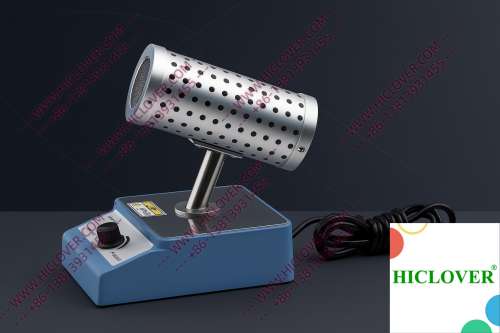
The Micro Incinerator operates on the principle of infrared heat, utilizing an enclosed ceramic heating chamber that swiftly reaches high temperatures. This design allows for effective disinfection without the pitfalls associated with open flames. The infrared technology heats inoculating loops to over 800°C, providing an aerosol-free, clean-bench-safe experience that is crucial in sensitive environments like BSL-2 and BSL-3 microbiology labs.
By eliminating the risks tied to alcohol lamps and Bunsen burners—such as flammable materials, accidental burns, and contamination of sterile zones—the Micro Incinerator stands as a safer alternative. Its portability enhances its utility, allowing healthcare professionals to employ sterilization across various settings, from clinical diagnostics to university teaching labs.
Use Cases in Real Laboratories
1. BSL-2/BSL-3 Microbiology Labs
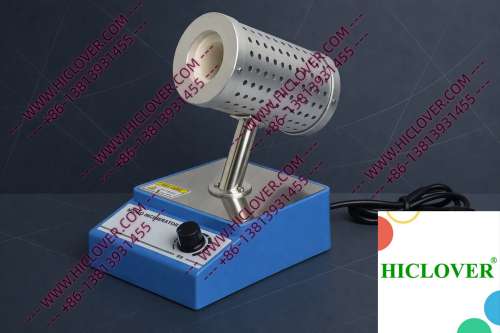
Within BSL-2 and BSL-3 microbiology labs in Rochester’s hospitals, infection control and microbiological containment are paramount. The Micro Incinerator is often located within biosafety cabinets, where its sterilization capabilities can be fully harnessed without disrupting airflow. An example application here involves isolating bacterial cultures; once samples are prepared on a petri dish, researchers can efficiently sterilize inoculating loops in the Micro Incinerator before transferring samples. This process enhances safety protocols while reducing contamination risk.
2. University Teaching Labs
In the academic realm, teaching labs in Rochester universities face challenges in equipping students with safe laboratory practices. The Micro Incinerator provides a user-friendly and effective solution for flame-free sterilization. During microbiology courses, students can practice using inoculating loops without the fear of creating an open flame. This educational aspect reduces accidents, fosters an understanding of proper biosafety practices, and allows educators to conduct experiments more efficiently.
Compliance and Environmental Considerations
Compliance with biosafety standards is essential for any laboratory operating in healthcare or educational institutions. The World Health Organization (WHO) has established guidelines that stress the importance of effective sterilization techniques in clinical settings. Laboratories must adhere to these standards, ensuring that methods used do not compromise safety or environmental integrity.
One significant advantage of the Micro Incinerator is that it aligns with modern laboratory needs—particularly the necessity to eliminate open flames in clean rooms and biosafety cabinets. This compliance reduces the likelihood of accidental ignitions and promotes a safer environment for laboratory personnel.
Advantages Over Traditional Flame Sterilizers
| Feature | Micro Incinerator | Traditional Flame Sterilizers |
|---|---|---|
| Temperature Control | Consistent and high-temperature control via infrared | Variable, can be difficult to regulate |
| Safety | No open flame, reducing fire hazards | Open flame poses a risk of fires and burns |
| Efficiency | Rapid sterilization in seconds | Slower due to manual igniting and flame management |
| Portability | Compact, easy to transport | Often larger and more cumbersome |
FAQ Section
- What is the main advantage of using a Micro Incinerator over traditional flame sterilizers? The primary advantage is enhanced safety; the Micro Incinerator does not produce an open flame, reducing the risks of burns and accidental fires in laboratories.
- How does the Micro Incinerator achieve rapid thermal sterilization? It uses infrared heat within a ceramic tube that reaches high temperatures quickly, allowing for efficient sterilization of inoculating loops in seconds.
- Can the Micro Incinerator be used in field tests? Yes, its portability makes it ideal for field testing, allowing for safe and effective sterilization in varied settings.
- Is the Micro Incinerator compliant with WHO biosafety standards? Yes, it meets the necessary compliance and safety measures outlined by the WHO for laboratory sterilization equipment.
- What types of labs benefit the most from using a Micro Incinerator? BSL-2 and BSL-3 labs, clinical diagnostics facilities, and teaching laboratories greatly benefit from the enhanced safety and efficiency of using a Micro Incinerator.
Conclusion
The portable Micro Incinerator/Infrared Inoculating Loop Sterilizer is ushering in a new era of laboratory sterilization in Rochester hospitals, enhancing biosecurity while streamlining workflows. As healthcare demands evolve, integrating innovative technologies like the Micro Incinerator is essential for meeting biosafety standards and improving patient care outcomes. For hospitals and educational institutions looking to enhance their sterilization practices, investing in the Micro Incinerator represents a forward-thinking choice that prioritizes safety, efficiency, and compliance.
For more information on how the Micro Incinerator can transform your laboratory practices, please feel free to reach out!
Categories:
Tags: