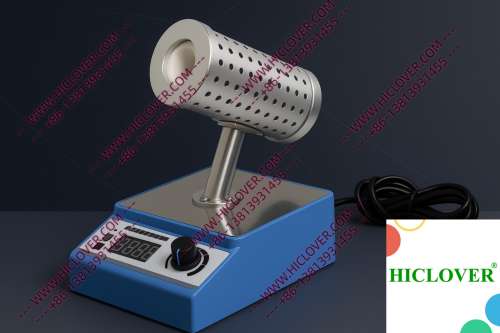
In today’s fast-paced scientific world, laboratory biosafety challenges are more prominent than ever. Researchers and technicians face increasing pressure to manage contamination control while ensuring compliance with rigorous sterilization standards. The introduction of advanced laboratory sterilization equipment, particularly the Micro Incinerator or Infrared Inoculating Loop Sterilizer, is changing the landscape of laboratory workflows.
The Evolution of Laboratory Sterilization
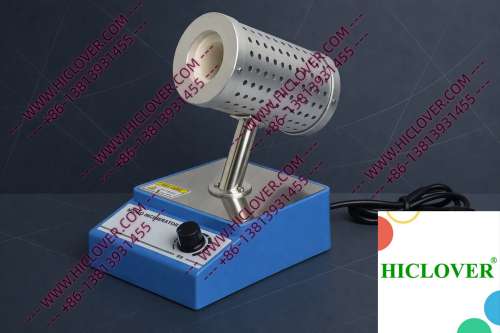
Traditional flame sterilizers, such as alcohol lamps and Bunsen burners, have been standard for years, but they present a range of challenges. Issues such as open flames, aerosol generation, and increased risk of contamination have prompted a shift towards safer, more efficient alternatives. The Micro Incinerator employs infrared heat technology, utilizing an enclosed ceramic tube that rapidly achieves high temperatures for effective sterilization. This innovation allows for rapid thermal sterilization while minimizing the risk of flame-related accidents.
Technical Principles Behind the Micro Incinerator
The Micro Incinerator operates on the principle of infrared high-temperature disinfection. When the ceramic heating chamber is activated, it emits infrared heat that quickly sterilizes inoculating loops, needles, and other lab instruments. The enclosed design not only enhances safety by eliminating open flames but also ensures clean-bench-safe operation, making it ideal for use in biosafety cabinets and cleanrooms. The Micro Incinerator’s advanced technology significantly outperforms traditional flame sterilizers in terms of efficiency and safety.
Applications in Real Laboratories
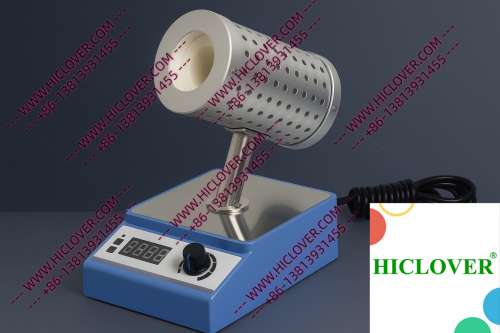
1. Biosafety Cabinet Usage: In BSL-2 and BSL-3 microbiology labs, strict contamination control protocols are paramount. The Micro Incinerator fits seamlessly into biosafety cabinets, allowing researchers to sterilize tools without introducing aerosols or compromising sterility. This is especially beneficial when handling pathogens or sensitive projects that require a clean environment.
2. Field Testing Scenarios: The portability of the Micro Incinerator makes it ideal for field testing laboratories. Researchers conducting studies in remote locations can rely on this device to ensure rapid sterilization of instruments without the need for a constant power supply or complex setup. This flexibility enhances the efficiency of field operations, making it a vital tool in various scientific endeavors.
Biosafety Compliance Considerations
Adhering to compliance standards is crucial for laboratories worldwide. The World Health Organization (WHO) provides guidelines on biosafety practices that emphasize sterile environments for research. Traditional flame sterilizers often fall short in these scenarios due to their associated risks, including potential contamination from flame-induced aerosols.
Moreover, in cleanroom environments, where no flame is permitted, the Micro Incinerator stands out as a compliant solution. It not only meets but exceeds sterilization standards, ensuring that research and diagnostics are conducted in an optimally safe environment. Laboratories can confidently incorporate the Micro Incinerator into their workflows, knowing it aligns with both local and international compliance standards.
Comparison Table: Micro Incinerator vs. Flame Burners
| Feature | Micro Incinerator | Flame Burners |
|---|---|---|
| Flame Type | Infrared | Open Flame |
| Safety | Enclosed Design | Risk of Fire & Contamination |
| Efficiency | Rapid Thermal Sterilization | Slower Heat-up Time |
| Environment | Clean-Bench-Safe | Not Suitable for Cleanrooms |
Frequently Asked Questions
- What are the advantages of using the Micro Incinerator over traditional flame sterilizers?
Its enclosed design ensures safety and prevents contamination, while rapid thermal sterilization is quicker than flame methods. - Is the Micro Incinerator suitable for mobile lab environments?
Yes, its portability makes it ideal for field testing and mobile laboratories. - How does it comply with WHO biosafety standards?
The Micro Incinerator meets strict biosafety standards by eliminating the risks associated with open flames, making it suitable for high-risk environments. - Can it be used in teaching labs?
Absolutely! It’s a great choice for university teaching labs, allowing students to practice sterilization techniques safely. - What types of instruments can be sterilized with it?
The Micro Incinerator effectively sterilizes inoculating loops, needles, and similar laboratory tools.
The Road Ahead: Embracing Innovation in Sterilization Technology
The shift towards the Micro Incinerator represents a critical step in revolutionizing laboratory sterilization practices. As labs face increasing pressures to adhere to stringent biosafety protocols while maintaining productivity, adopting safer, more effective sterilization methods becomes paramount. The Micro Incinerator is not only an investment in safety but also an enhancement of operational efficiency.
As Pune’s innovation hub continues to grow, it serves as a beacon for laboratory supply distributors, hospitals, universities, and research centers looking for cutting-edge solutions. Embracing advanced technologies like the Micro Incinerator will undoubtedly lead to improved outcomes in clinical diagnostics, teaching, and field research.
For those in the market for high-quality sterilization solutions, consider reaching out to your local distributor in Pune today. Experience the difference that innovative sterilization technology can make in your laboratory environment.
Categories:
Tags: