
In the rapidly evolving domain of laboratory biosafety, the sterilization workflow is becoming increasingly important. Laboratories, especially those operating at BSL-2 and BSL-3 levels, face challenges in maintaining strict contamination control. Traditional methods, such as alcohol lamps and Bunsen burners, while effective, can pose safety risks and are often inefficient in meeting current sterilization demands. Consequently, the transition to modern sterilization solutions is vital for optimizing laboratory practices.
Advantages of Micro Incinerator / Infrared Inoculating Loop Sterilizers
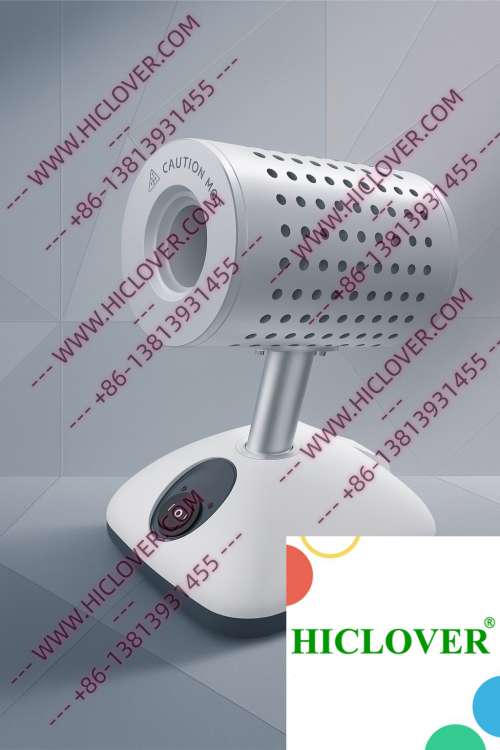
A remarkable innovation in laboratory sterilization equipment is the Micro Incinerator, also known as an Infrared Inoculating Loop Sterilizer. This advanced device utilizes rapid thermal sterilization through infrared heat, providing a clean, efficient sterilization solution without the hazards associated with open flames. Here’s how it works:
- Technical Principle: The Micro Incinerator features an enclosed ceramic tube that emits infrared radiation. This allows for high-temperature disinfection while avoiding the risks of aerosol generation and fire hazards typical of flame-based systems.
- Design: Compact and portable, it is designed for seamless integration into laboratory workflows, whether in a biosafety cabinet or a field testing atmosphere.
- Usability: The device is clean-bench-safe, allowing for controlled handling of sterilized tools and minimizing the risk of contamination.
Application Scenarios in Real Labs
Understanding the practical applications of Micro Incinerators enhances their value in various laboratory settings:
Biosafety Cabinet Sterilizations
In BSL-2 labs, where adherence to stringent biosafety protocols is paramount, the Micro Incinerator demonstrates its effectiveness. For instance, microbiologists conducting pathogen research utilize this technology within biosafety cabinets to ensure that inoculating loops and other tools are sterilized rapidly while maintaining a sterile environment. This process minimizes the chances of pathogen escape and cross-contamination.
Teaching Labs and Clinical Diagnostics
University teaching labs present another case for the effectiveness of the Micro Incinerator. In these settings, students learn about microbial techniques without the hazards of flames. Utilizing this device, educators can emphasize safe handling techniques while demonstrating efficient sterilization processes. Similarly, in clinical diagnostics, where precision is crucial, the Micro Incinerator provides an ideal solution for rapid sterilization, enabling technicians to work without delay.
Compliance with Safety Standards
Laboratory equipment must comply with biosafety regulations set forth by organizations such as the WHO and various national health authorities. The Micro Incinerator aligns with several biosafety compliance standards, ensuring that it meets the necessary safety and effectiveness criteria:
The device’s design prevents aerosol generation, making it suitable for integration into clean rooms, where traditional flame sterilizers are prohibited. This compliance allows laboratories to maintain a safer environment while ensuring thorough sterilization.
Micro Incinerator vs. Traditional Flame Burners
Below is a brief comparison highlighting the advantages of the Micro Incinerator over traditional flame sterilizers, such as alcohol lamps and Bunsen burners:
| Features | Micro Incinerator | Flame Sterilizers |
|---|---|---|
| Safety | No open flames; reduced risk of burns | Open flames; fire hazards |
| Contamination Control | Minimal aerosol production | Aerosol generation |
| Portability | Compact and lightweight | Bulky and less mobile |
| Efficiency | Rapid sterilization | Time-consuming |
Frequently Asked Questions
-
What are the key benefits of using a Micro Incinerator in a laboratory?
Its key benefits include enhanced safety due to the absence of open flames, effective contamination control, and rapid sterilization capabilities, making it ideal for sensitive laboratory environments.
-
How does the Micro Incinerator meet biosafety compliance standards?
The design prevents aerosol generation, and its reliable sterilization efficiency aligns with WHO and national health authorities’ standards, suitable for cleanroom applications.
-
Is the Micro Incinerator easy to use for training purposes?
Yes, it is user-friendly, making it an excellent choice for teaching labs, allowing students to focus on developing techniques without the risks associated with flames.
-
Can the Micro Incinerator be used in mobile labs?
Absolutely! Its compact design makes it highly portable, suitable for field testing and mobile laboratory settings.
-
What is the expected longevity of a Micro Incinerator?
With proper maintenance, these devices can last for many years, providing consistent performance in sterilization.
Conclusion
As the challenges of laboratory biosafety continue to intensify, the adoption of advanced sterilization technologies like the Micro Incinerator becomes imperative. This device not only addresses safety and efficiency concerns but also aligns with the modern demands of laboratory operations across various environments, including clinical settings, teaching laboratories, and field testing applications.
If you are looking to enhance your lab’s sterilization capabilities and ensure strict adherence to biosafety protocols, consider investing in a Micro Incinerator. For more information or to make a purchase, please do not hesitate to reach out to our team of experts!
Categories:
Tags: