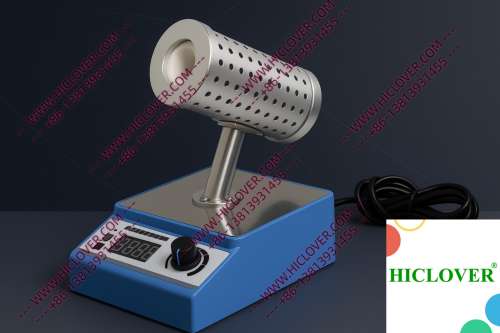
In the bustling metropolis of Guangzhou, where the demands for laboratory efficiency and safety are higher than ever, healthcare professionals are facing significant biosafety challenges. With the advancement in laboratory technologies, the need for effective sterilization methods has become paramount. Traditional methods, such as Bunsen burners and alcohol lamps, pose notable risks such as flame hazards, inconsistent heat distribution, and challenges in sterile handling environments. As laboratory workflows evolve, the emergence of portable sterilization equipment, particularly Infrared Inoculating Loop Sterilizers, has revolutionized sterilization practices in medical laboratories.
Understanding the Micro Incinerator: Technical Principles and Design
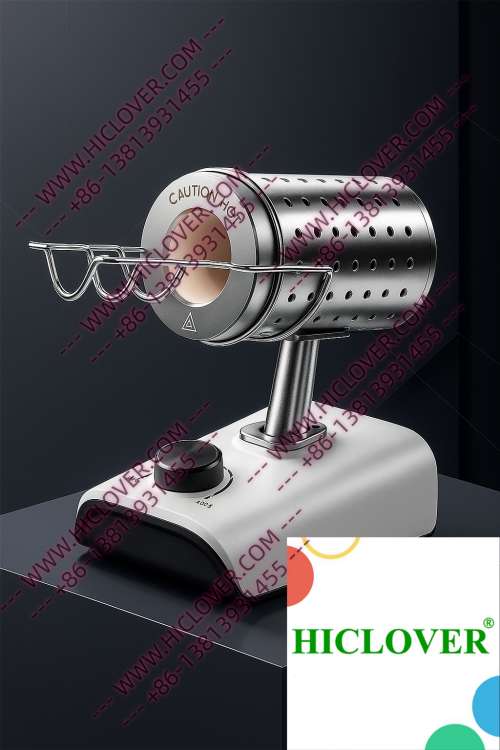
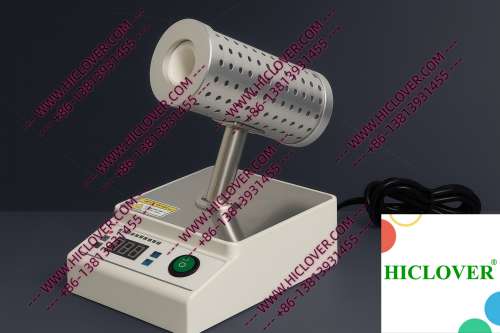
The Micro Incinerator, also referred to as the Infrared Inoculating Loop Sterilizer, utilizes rapid thermal sterilization through an enclosed ceramic heating chamber. This revolutionary device delivers infrared high-temperature disinfection without the need for open flames. The enclosed ceramic tube generates consistent, uniform heat targeted directly at the inoculating loop or other tools. By using infrared heat, it reduces the risk of contamination while maintaining the sterility of the working environment—a crucial feature in today’s biosafety cabinets.
Advantages Over Traditional Flame Sterilizers
- Safety: No open flames reduce the risk of burns or fire hazards.
- Control: Consistent temperature regulation enhances sterilization efficacy.
- Efficiency: Rapid heating and cooling cycles streamline workflow in fast-paced laboratory settings.
- Cleanroom Compatibility: Ideal for use in clean benches and biosafety cabinets.
- Environmentally Friendly: Reduces aerosol generation, limiting contamination risks.
Application Scenarios in Real Labs
1. Teaching Laboratories
In university teaching labs, where students frequently perform microbiological techniques, the reliable and safe execution of sterilization is critical. The Infrared Inoculating Loop Sterilizer offers students the opportunity to learn aseptic techniques without the hazards associated with traditional flame methods. Its lightweight and portable design allows for versatile use across multiple lab stations, fostering a hands-on learning atmosphere while ensuring high biosafety standards.
2. Field Testing Laboratories
Mobile or field testing labs, especially in BSL-2 microbiology contexts, require sterilization solutions that are lightweight and do not compromise safety. The Micro Incinerator provides researchers with the ability to perform immediate sterilization of inoculating loops onsite, facilitating the collection of samples in environments where traditional sterilization methods aren’t feasible. This ensures that field teams can operate both efficiently and hygienically, a critical factor in areas where contamination could jeopardize results.
Compliance and Environmental Standards
In laboratories worldwide, adherence to biosafety regulations is non-negotiable. The World Health Organization’s (WHO) biosafety guidelines emphasize the necessity for laboratories, especially within BSL-2 and BSL-3 settings, to employ effective sterilization methods that minimize contamination risks. Traditional flame sterilization can produce aerosols that compromise the sterile environment, contravening clean lab practices.
The Micro Incinerator’s performance aligns with laboratory sterilization standards while ensuring a no-flame operation suitable for cleanrooms. This enhances compliance with safety regulations, allowing laboratories to maintain the highest biosafety levels without sacrificing efficiency or safety.
Comparison Table: Micro Incinerator vs. Flame Burners
| Feature | Micro Incinerator | Flame Burners |
|---|---|---|
| Heat Source | Infrared | Open Flame |
| Temperature Control | Consistent | Variable |
| Safety | No open flames | Fire hazards present |
| Cleaning | Easy, no residue | Residual sooty buildup |
| Portability | Highly portable | Less portable |
Frequently Asked Questions
What is the primary advantage of using a Micro Incinerator in a laboratory?
The primary advantage is its ability to provide rapid thermal sterilization without the hazards associated with open flames while maintaining the integrity of the sterile environment.
Can the Infrared Inoculating Loop Sterilizer be used in BSL-3 labs?
Yes, it is suitable for BSL-3 labs as it adheres to stringent biosafety standards, ensuring effective sterilization without aerosol generation.
How does the Micro Incinerator improve workflow efficiency?
With rapid heating and cooling capabilities, it allows for immediate sterilization, thus reducing wait times during laboratory procedures.
Is the Micro Incinerator environmentally friendly?
Yes, it minimizes aerosol production and does not contribute to hazardous waste, making it compliant with environmental lab standards.
Where can I purchase the Micro Incinerator for my lab?
You can contact our sales team for more information on purchasing the Micro Incinerator and to discuss bulk pricing options for laboratories, universities, and hospitals.
Conclusion
As the landscape of laboratory sterilization evolves, the shift toward portable loop sterilizers like the Micro Incinerator is unmistakable. Offering a combination of safety, efficiency, and compliance with biosafety regulations, this innovative equipment is paving the way for safer laboratory practices in Guangzhou and beyond. For laboratories seeking to enhance their sterilization workflows and uphold the highest safety standards, investing in a Micro Incinerator or Infrared Inoculating Loop Sterilizer could be a transformative decision. Contact us today to discover how this cutting-edge technology can revolutionize your laboratory operations.
Categories:
Tags: