
In the ever-evolving world of laboratory biosafety, the necessity for efficient and effective sterilization protocols cannot be overstated. Laboratories in Boston face unique challenges, particularly in environments requiring strict contamination control and rapid thermal sterilization processes. With growing demands for safety and compliance, it’s essential to adopt advanced sterilization equipment tailored to the rigorous standards of modern scientific research.
Understanding Loop Sterilizers: Technical Principles
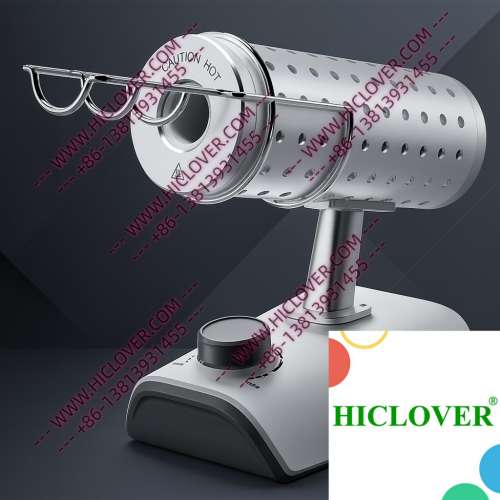
One of the most significant innovations in sterilization technology is the Micro Incinerator, or Infrared Inoculating Loop Sterilizer. This device utilizes infrared heat to achieve high-temperature disinfection rapidly. The enclosed ceramic heating chamber delivers consistent thermal energy, allowing for effective sterilization of inoculating loops and tools without the hazards associated with traditional flame-based systems.
- Infrared Heating: Achieves rapid sterilization by harnessing infrared radiation.
- Enclosed Design: Reduces the risk of aerosols and contamination during the sterilization process.
- Clean-Bench-Safe: Ideal for use in biosafety cabinets and clean rooms.
Applications in Real Laboratory Settings
Micro Incinerators are revolutionizing workflows across various laboratory environments in Boston.
1. Field Testing Labs
In field testing labs, especially during microbiological studies, the need for portable and reliable sterilization methods is paramount. Micro Incinerators can easily be transported to various sites, providing researchers with the ability to sterilize tools onsite and quickly resume their work. The absence of open flames ensures safer conditions in outdoor settings where ignition risks are prevalent.
2. Teaching Labs
University teaching labs in the Boston area benefit significantly from the adoption of infrared inoculating loop sterilizers. Students can practice sterile techniques without the risks associated with alcohol lamps or Bunsen burners. This hands-on approach not only enhances learning but also fosters an environment where safety and precision are prioritized, crucially shaping the next generation of scientists.
Compliance and Environmental Considerations
The importance of compliance with biosafety regulations cannot be overlooked. According to the World Health Organization (WHO), labs must adhere to strict biosafety standards to ensure a contamination-free environment. The Micro Incinerator aligns perfectly with these compliance requirements by providing a non-flammable option for sterilization, thereby meeting the safety needs of BSL-2 and BSL-3 microbiology labs.
Furthermore, the operation of this device contributes to a safer laboratory environment. By eliminating the use of flames, it significantly reduces the potential for hazardous situations in clean rooms and biosafety cabinets. This is crucial, as maintaining a sterile workspace is essential for compliance with laboratory sterilization standards.
Benefits over Traditional Flame Sterilizers
Comparing Micro Incinerators to traditional flame sterilizers, such as alcohol lamps and Bunsen burners, reveals several substantial advantages:
| Features | Micro Incinerator | Flame Sterilizers |
|---|---|---|
| Safety | Non-flammable, enclosed design | Open flames, risk of ignition |
| Speed | Rapid heating for quick sterilization | Longer heating time |
| Contamination Control | Aerosol-free handling | High risk of aerosol generation |
| Usability | Easy to operate with minimal training | Requires knowledge of flame management |
Frequently Asked Questions
What are the primary applications for Micro Incinerators?
Micro Incinerators are used primarily for sterilizing inoculating loops and other laboratory instruments in various settings, including teaching, field testing, and biosafety labs.
How do Infrared Inoculating Loop Sterilizers improve laboratory efficiency?
These sterilizers provide rapid sterilization without the hazards of flames, ensuring quick turnover during laboratory workflows.
Can Micro Incinerators be used in a clean room environment?
Yes, their enclosed design makes them ideal for clean rooms where contamination must be minimized.
Are they compliant with WHO biosafety standards?
Absolutely. Micro Incinerators meet rigorous biosafety compliance requirements due to their safe, flame-free operation.
What distinguishes Micro Incinerators from traditional flame sterilizers?
Key differences include higher safety standards, quicker sterilization times, and a reduced risk of contamination from aerosols.
Conclusion
In summary, the integration of Micro Incinerators, specifically the Infrared Inoculating Loop Sterilizer, represents a significant advancement in laboratory sterilization technology. As Boston’s medical labs strive for enhanced biosafety and compliance with stringent guidelines, these innovative devices offer unmatched benefits. They facilitate efficient workflows while prioritizing safety, making them an essential component of modern laboratory equipment.
Invest in the future of laboratory sterilization with Micro Incinerators. Contact us to explore your options today!
Categories:
Tags: