
In modern laboratories, especially within the context of Washington, DC, the challenges of biosafety and effective contamination control are paramount. With increasing safety regulations, researchers and clinicians face the demands of ensuring that sterilization processes not only comply with stringent standards but also enhance workflow efficiency. The Micro Incinerator, often referred to as the Infrared Inoculating Loop Sterilizer, is emerging as a transformative solution in the realm of laboratory sterilization equipment.
Understanding the Micro Incinerator: Technical Principles and Configurations
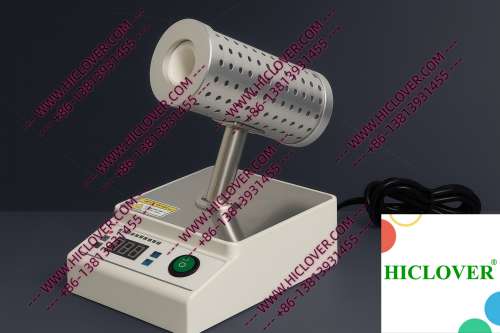
The Micro Incinerator operates on the principle of rapid thermal sterilization through the use of infrared heating technology. Unlike traditional flame sterilizers such as alcohol lamps and Bunsen burners, which rely on open flames and present significant safety risks, the micro incinerator features an enclosed ceramic heating chamber that ensures maximum temperature control and safety.
- Infrared Heat: Generates uniform heating for effective sterilization.
- Enclosed Ceramic Tube: Contains heat, reducing the risk of burns and contamination.
- Rapid Sterilization: Quickly eliminates microbial contaminants, maintaining lab efficiency.
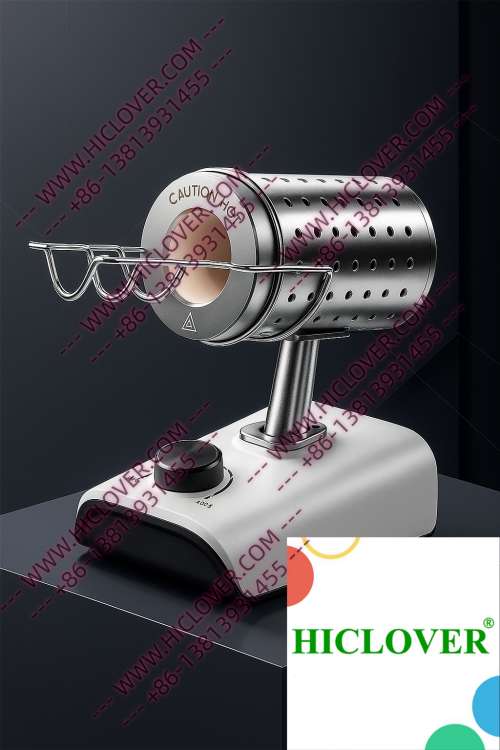
This configuration not only enhances the safety of laboratory personnel but also supports ongoing operations within biosafety cabinets, ensuring a clean and uncontaminated workspace. This is particularly crucial in regulated environments deemed BSL-2 and BSL-3 labs, where strict adherence to biosafety standards is expected.
Application Scenarios in Real Labs
Biosafety Cabinets
In a heavily utilized BSL-2 lab, the Micro Incinerator finds its application in the safe sterilization of inoculating loops and other instruments. Positioned directly within a Class II biosafety cabinet, researchers can carry out sterilization without introducing aerosols or contaminants into the surrounding environment. The immediate availability of sterilized tools ensures that experiments can proceed with minimal downtime—a critical factor in clinical diagnostics and research.
Field Testing Labs
Mobile or field testing labs greatly benefit from the functionality of the Micro Incinerator. Researchers conducting environmental sampling or pathogen detection in various locations require sterilization methods that are portable and effective. The compact design and battery-operated versions of Micro Incinerators allow for rapid inoculation loop sterilization outside the controlled lab environment. This capability not only enhances field operations but also ensures compliance with biosafety standards, regardless of the setting.
Compliance and Environmental Considerations
In today’s sterilization landscape, adherence to biosafety standards set by organizations such as the World Health Organization (WHO) is essential. The Micro Incinerator enables compliance with several important protocols:
- Meets laboratory sterilization standards governed by the CDC and NIH.
- Supports aerosol-free handling suitable for clean rooms, eliminating risks associated with flame sterilizers.
- Promotes sustainable lab practices by reducing the need for disposable equipment.
The shift to infrared technology reflects an understanding of the environmental concerns associated with traditional combustion methods, supporting a greener future for lab practices in Washington, DC, and beyond.
Comparative Advantages: Micro Incinerator vs. Traditional Flame Sterilizers
| Feature | Micro Incinerator | Flame Sterilizer |
|---|---|---|
| Heat Source | Infrared | Open Flame |
| Safety | Enclosed Design | Burn Hazard |
| Contamination Control | Aerosol-Free | Risk of Contamination |
| Speed of Sterilization | Rapid | Variable |
| Usability | Portable Options Available | Stationary |
FAQs About Micro Incinerators
1. What is a Micro Incinerator used for?
A Micro Incinerator is primarily used for the rapid sterilization of inoculating loops and other laboratory instruments, enhancing safety and efficiency in sterilization workflows.
2. How does the Micro Incinerator improve laboratory safety?
By utilizing infrared heating, it eliminates the hazards associated with open flames, such as burns and contamination from aerosols.
3. Can the Micro Incinerator be used in field testing?
Yes, the portable designs of Micro Incinerators make them ideal for use in field testing labs, allowing for effective sterilization in various environments.
4. What are the compliance standards for using a Micro Incinerator?
Micro Incinerators comply with WHO biosafety standards and other laboratory sterilization mandates, ensuring safe operational practices.
5. How does the Micro Incinerator compare to traditional flame sterilizers?
The Micro Incinerator offers better safety, speed, and contamination control, making it a superior choice for modern laboratory environments.
Conclusion: Elevate Your Laboratory Standards with Micro Incinerators
The emergence of Micro Incinerators represents a significant step forward in laboratory sterilization, improving biosafety protocols and waste management practices. With their innovative technology and compliance with essential standards, these devices provide unparalleled advantages over traditional flame sterilizers. As research facilities, hospitals, and universities in Washington, DC continue to prioritize safety and efficiency, integrating Micro Incinerators into their sterilization workflows is a smart investment.
For more information on acquiring Micro Incinerators or to explore our range of laboratory sterilization solutions, contact us today!
Categories:
Tags: