
In laboratories across the globe, biosafety challenges are an everyday reality. The imperative for effective sterilization to mitigate contamination risks is a vital workflow demand. This is especially true in environments that handle pathogens, requiring unparalleled diligence in contamination control. Laboratories must adhere to stringent safety protocols and efficient waste management systems. One groundbreaking solution addressing these challenges is the Micro Incinerator, specifically the Infrared Inoculating Loop Sterilizer, renowned for its high-temperature capabilities and effective sterilization processes.
Technical Principles of the 950°C Micro Incinerator
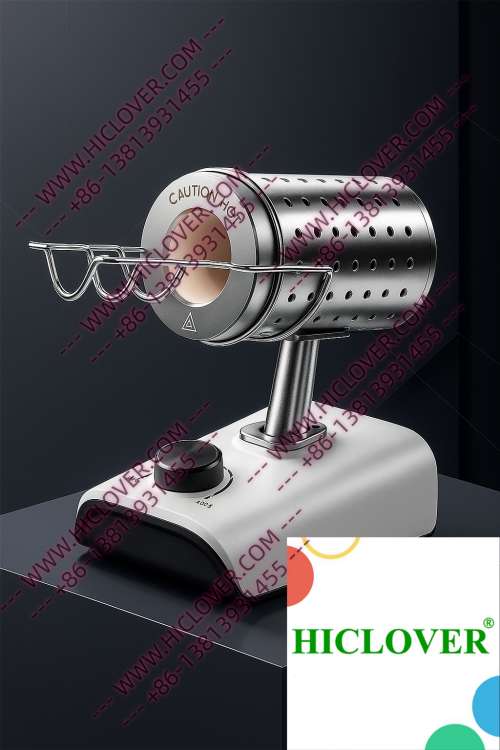
The Micro Incinerator operates on a principle of rapid thermal sterilization via infrared heat. This cutting-edge device utilizes an enclosed ceramic heating chamber, reaching temperatures up to 950°C, which outperforms conventional sterilization methods. The use of infrared technology allows for swift heating of inoculating loops and other small implements without the need for open flames, making it particularly advantageous in cleanroom environments.
Unlike traditional flame sterilizers, such as alcohol lamps and Bunsen burners, the Micro Incinerator provides a controlled and consistent heating environment, eliminating the risks associated with combustion. The enclosed design not only enhances safety but also minimizes the risks of aerosol generation, a critical factor in biosafety cabinets and areas requiring stringent sterile conditions.
Applications of Micro Incinerators in Laboratories
Micro Incinerators have become essential in modern laboratory environments. Below are two distinct scenarios where this innovation transforms the sterilization workflow:
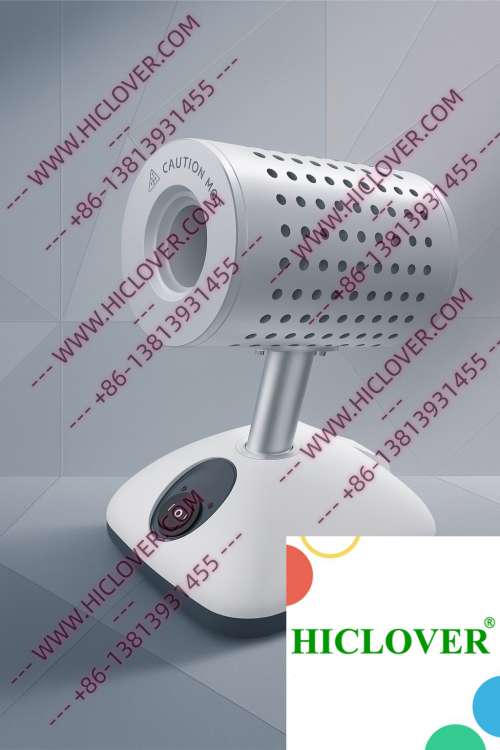
- Biosafety Cabinet Operations: In BSL-2 and BSL-3 microbiology labs, where the handling of infectious agents is prevalent, the Micro Incinerator enhances sterilization processes while ensuring operator safety. The ability to sterilize equipment in a closed biosafety cabinet significantly reduces risks of cross-contamination.
- Teaching Laboratories: In university settings, the Micro Incinerator serves as a valuable teaching tool, allowing students to learn about sterilization techniques without the hazards associated with open flames. Its ease of use and effectiveness make it ideal for experimental setups in microbiology and cellular biology courses.
Biosafety Compliance and Environmental Consideration
Global health organizations, such as the World Health Organization (WHO), emphasize the importance of adhering to biosafety regulations and sterilization standards in laboratory settings. Compliance with these regulations is crucial for laboratories handling hazardous materials. The Micro Incinerator’s design allows it to be compliant with these standards, as it eliminates the open flame, making it suitable for use in cleanrooms and similar environments.
Furthermore, the incorporation of such devices into sterilization workflows minimizes environmental impact. By reducing the reliance on fossil fuel-powered flame sterilizers, laboratories can transition toward more sustainable practices while maintaining high sterilization efficacy.
Micro Incinerator vs. Traditional Flame Sterilizers
| Feature | Micro Incinerator | Traditional Flame Sterilizers |
|---|---|---|
| Heating Method | Infrared | Open Flame |
| Temperature Control | Up to 950°C | Variable |
| Contamination Risk | Minimal | High (Aerosol Generation) |
| Safety | Enclosed Design | Open Flame Hazards |
| Efficiency | Rapid Sterilization | Variable |
Frequently Asked Questions
- How does the Micro Incinerator compare with traditional sterilizers?
The Micro Incinerator offers superior temperature control, enhanced safety features, and a reduced risk of contamination compared to traditional flame sterilizers. - Is it suitable for use in BSL-3 labs?
Yes, the Micro Incinerator is ideal for use in BSL-3 labs due to its safe, enclosed design and compliance with biosafety regulations. - What are the primary applications of the Micro Incinerator?
Common applications include sterilization in biosafety cabinets, teaching and research labs, and field testing in mobile laboratories. - Can the Micro Incinerator be used for all types of laboratory equipment?
The Micro Incinerator effectively sterilizes small tools such as inoculating loops and forceps, but larger equipment may require alternative sterilization methods. - Does it meet international sterilization standards?
Yes, it complies with various international biosafety and sterilization standards, making it suitable for a wide range of applications.
Conclusion
The 950°C Micro Incinerator represents a transformative approach to laboratory sterilization, effectively addressing contamination control while adhering to rigorous biosafety standards. Its advanced technology, safety features, and versatile applications make it an indispensable tool in modern laboratories. Whether you’re in clinical diagnostics, university teaching labs, or field testing environments, investing in a Micro Incinerator can significantly enhance your sterilization workflow.
If you’re interested in exploring how the Micro Incinerator can improve your lab practices, contact us today to learn more about our high-quality sterilization solutions.
Categories:
Tags: