
In the ever-evolving landscape of clinical diagnostics and research, the importance of effective biosafety solutions cannot be overstated. Tanzanian hospitals, frequently challenged with the management of hazardous biological waste, are turning to innovative technologies to streamline their sterilization workflows. A notable advancement in this arena is the adoption of Micro Incinerators, specifically the Infrared Inoculating Loop Sterilizer, which not only offers enhanced sterilization capabilities but also adheres to stringent biosafety standards.
Practical Laboratory Biosafety Challenges
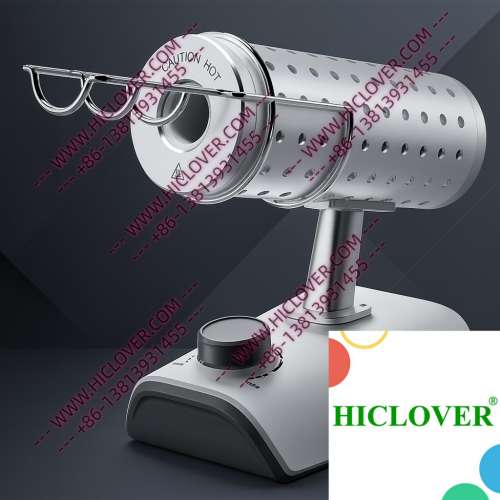
The healthcare system in Tanzania faces myriad challenges related to biosafety and infection control. Traditional methods like flame sterilization using Bunsen burners or alcohol lamps often fall short due to their inherent risks, such as the potential for flame-induced hazards, aerosols, and incomplete sterilization. Furthermore, the need for effective sterilization methods is emphasized in environments like BSL-2 and BSL-3 microbiology labs, where contamination risks are heightened due to pathogenic organisms.
Technical Principles of Micro Incinerators
The Micro Incinerator operates on a distinctive principle—utilizing infrared heat within a closed ceramic tube to achieve rapid thermal sterilization. This design minimizes the risk of contamination while allowing for optimal aerosol-free handling. The enclosed ceramic heating chamber quickly reaches high temperatures, effectively disinfesting tools and instruments without the drawbacks associated with open flames. This technology is an essential upgrade for modern laboratories, providing a reliable means of contamination control.
Configuration and Design Features
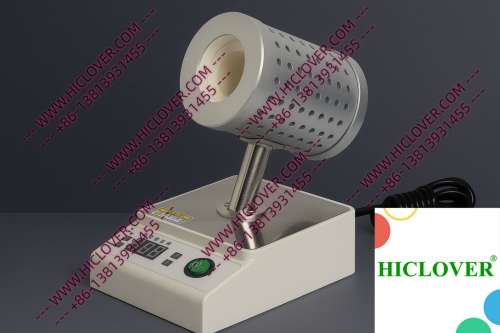
The compact design of the Micro Incinerator makes it suitable for various laboratory settings, from mobile field testing labs to university teaching labs. Key features include:
- Rapid heating capability: Quickly reaches sterilization temperatures.
- Compact size: Fits conveniently in workspaces, particularly in teaching labs and limited-area environments.
- Integrated safety features: Protects users by preventing accidental burns and flame exposure.
- Environmental compliance: Adheres to WHO biosafety guidelines and local regulatory requirements.
Application Scenarios
The multifaceted uses of Micro Incinerators in Tanzanian healthcare settings demonstrate their adaptability and effectiveness:
Biosafety Cabinets
In environments where biosafety cabinets safeguard against exposure to airborne pathogens, the Micro Incinerator serves as a crucial sterilization tool. By providing an efficient means of sterilizing inoculating loops and other small instruments within a controlled environment, it enhances the safety protocols in microbiology labs.
Field Testing
In situations where mobile lab setups are required, such as disease outbreak responses, the portability and rapid sterilization capability of Micro Incinerators greatly facilitate field testing operations. The device allows healthcare workers to maintain high standards of cleanliness and efficiency when dealing with potentially infectious samples, thus ensuring better public health outcomes.
Compliance and Environmental Considerations
Micro Incinerators align with multiple compliance standards that govern laboratory practices. The World Health Organization (WHO) emphasizes the importance of effective waste management systems in healthcare facilities. Using conventional flame sterilizers in clean rooms or BSL setups poses risks, including contamination and volatile organic compound emissions. The Micro Incinerator’s flame-free operation positions it favorably in environments that require stringent adherence to sterilization standards.
Biosafety Compliance Reference
Some key compliance standards include:
- WHO biosafety protocols
- ISO 15189 standards for medical laboratories
- Local health department regulations concerning waste management
Comparative Analysis: Micro Incinerator vs. Traditional Flame Sterilizers
| Features | Micro Incinerator | Flame Sterilizers |
|---|---|---|
| Sterilization Speed | Rapid (<1 min) | Variable (2-5 mins) |
| Safety | Flame-free, no aerosols | Open flame hazards |
| Portability | Compact and mobile | Less portable |
| Environmental Impact | Low emissions | Potential VOC emissions |
FAQs
- What types of instruments can be sterilized using a Micro Incinerator?
Inoculating loops, needles, and other small laboratory tools. - How does infrared heat differ from traditional flame sterilization?
Infrared heat provides focused thermal energy without the open flame, reducing contamination risk. - Are Micro Incinerators compliant with international biosafety standards?
Yes, they are designed to meet WHO and local biosafety guidelines. - Can a Micro Incinerator be used in mobile lab settings?
Absolutely, its compact design makes it ideal for field testing scenarios. - What are the advantages over Bunsen burners?
Increased safety, rapid sterilization, lower contamination risks, and no open flame.
Conclusion
In conclusion, as Tanzanian hospitals navigate the complexities of waste management and biosafety, the adoption of Micro Incinerators stands out as a transformative approach to laboratory sterilization. Their efficiency, safety, and compliance with international standards make them an indispensable tool for modern medical and educational facilities. For hospitals, universities, and research centers looking to upgrade their sterilization processes, investing in a Micro Incinerator can significantly enhance operational workflows. Contact us today to learn more about how our Micro Incinerators can revolutionize your waste management practices!
Categories:
Tags: