
In the field of biological sciences, ensuring proper sterilization has never been more crucial. Laboratories, particularly teaching ones, often grapple with biosafety challenges, such as preventing contamination and maintaining a safe working environment. Traditional methods, like Bunsen burners and alcohol lamps, although popular for their effectiveness, introduce undesirable risks, including open flames and potential aerosolization of contaminants. In response to these challenges, modern alternatives like the Micro Incinerator / Infrared Inoculating Loop Sterilizer are gaining prominence. These devices not only enhance safety and efficiency but also redefine laboratory sterilization workflows.
Understanding Micro Incinerators: Technical Principles
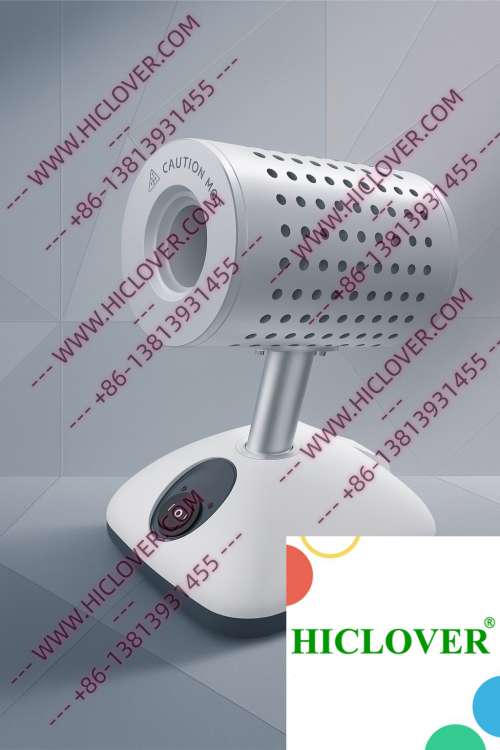
The Micro Incinerator operates on the principle of rapid thermal sterilization using infrared heat. The enclosed ceramic heating chamber ensures that the inoculating loops and tools reach the required high temperatures for disinfection without the need for open flames. This process allows for an effective, consistent, and fast cycle of sterilization, effectively eliminating microbial contamination.
The infrared technology facilitates high-temperature disinfection, which is critical in laboratory settings where slow or inefficient sterilization methods can lead to compromised experiments or clinical diagnostics. Furthermore, unlike traditional sterilization methods, the Micro Incinerator is designed for clean-bench-safe operations, minimizing the risk of aerosols and facilitating safe handling in various lab environments.
Applications in Real Laboratory Settings
1. Teaching Labs: Emphasis on Safety and Education
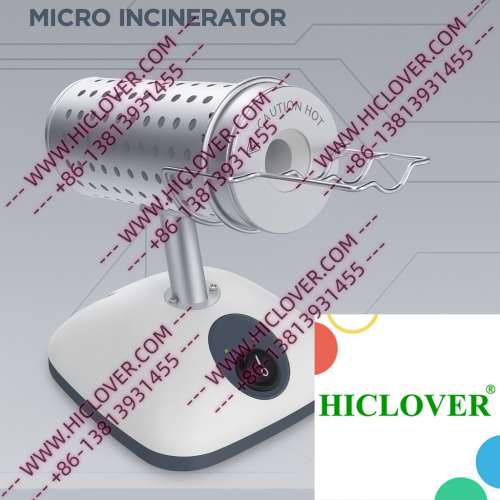
In a university teaching lab, students often learn the intricacies of bacterial culture and microbial manipulation. Utilizing the Micro Incinerator allows students to focus on their studies without the distraction or hazards associated with open flames. The easy-to-use sterilizer enhances their learning experience by ensuring that sterilization protocols are followed safely and effectively, thus fostering an environment of hygiene and safety.
2. Field Testing Labs: Streamlined Efficiency
Field testing scenarios, such as microbiological assessments in remote locations, also benefit from the portability and efficiency of the Micro Incinerator. Unlike traditional flame-based sterilization methods, which may not be practical in the field, the compact design allows researchers to carry it along easily. The infrared high-temperature disinfection ensures quick turnaround times for sterilizing equipment, enabling researchers to maintain workflows without unnecessary delays.
Compliance and Environmental Considerations
Adhering to WHO biosafety standards and local lab sterilization regulations is imperative for all laboratories. The Micro Incinerator aligns with international biosafety compliance requirements, which emphasize the prevention of contamination and safe lab operations. In particular, its design eliminates the use of flames within clean rooms, crucial for maintaining sterility and operational integrity in environments such as BSL-2 and BSL-3 microbiology labs.
Moreover, the Micro Incinerator significantly reduces the risk of fire hazards associated with traditional flame burners, thus enhancing not just user safety but also environmental health. Laboratories implementing these devices can feel confident about their commitment to sustainability while also maximizing safety.
Comparison Table: Micro Incinerator vs. Traditional Flame Burners
| Feature | Micro Incinerator | Flame Burners (Bunsen, Alcohol Lamps) |
|---|---|---|
| Heat Source | Infrared heat | Open flame |
| Safety | Flame-free operation | Open flame risk |
| Contamination Control | Aerosol-free handling | Presents aerosol risks |
| Portability | Compact and mobile | Depends on setup |
| Energy Efficiency | Rapid thermal sterilization | Delayed heating |
FAQs About Micro Incinerators
- What is a Micro Incinerator and how does it work?
The Micro Incinerator uses infrared heat within a ceramic heating chamber to rapidly sterilize inoculating loops and other lab tools without using an open flame. - Why is the Micro Incinerator safer than traditional methods?
It eliminates the risk of open flames and associated fire hazards, providing a cleaner and safer alternative that minimizes aerosol generation. - Can the Micro Incinerator be used in a field testing scenario?
Yes, its compact design makes it perfect for field testing, offering efficient sterilization wherever access to traditional power sources may be limited. - How do I ensure compliance with laboratory sterilization standards?
Using the Micro Incinerator, which is designed to meet WHO and other biosafety standards, supports compliance and provides systematic sterilization results. - Is maintenance required for Micro Incinerators?
Periodic cleaning and inspections are recommended to ensure optimal performance and longevity of the device.
Conclusion
As laboratories strive to implement best practices for hygiene and safety, the Micro Incinerator / Infrared Inoculating Loop Sterilizer stands out as a pivotal tool for ensuring effective sterilization. Its advanced technology not only meets the demands of modern laboratory workflows but also aligns with compliance requirements critical in today’s research environment. For those looking to enhance their laboratory hygiene and operational efficiency, investing in a Micro Incinerator is an invaluable decision. Contact us today to learn more about our products and how they can bolster your laboratory’s safety and effectiveness.
Categories:
Tags: