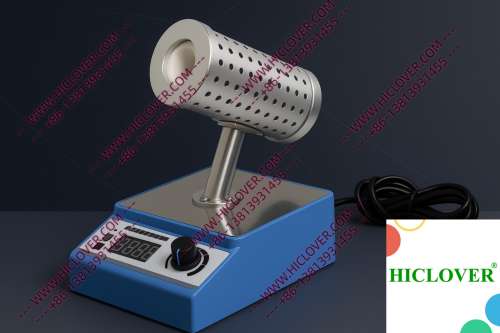
In modern laboratory environments, maintaining biosafety while ensuring efficient sterilization procedures is non-negotiable. Effective contamination control is critical in various scenarios, from *clinical diagnostics* to *field testing*. Laboratory professionals continually face challenges related to traditional flame sterilizers, such as alcohol lamps and Bunsen burners. As workflows demand precise and quick disinfection methods, the emergence of Micro Incinerators or Infrared Inoculating Loop Sterilizers marks a significant advancement in laboratory sterilization equipment.
Understanding the Technical Principles
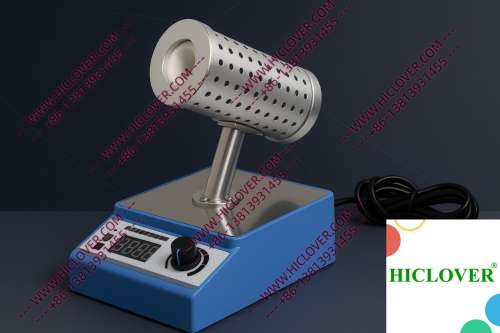
The Micro Incinerator is designed with state-of-the-art infrared heating technology, allowing for rapid thermal sterilization of inoculating loops and other lab tools. Unlike conventional flame sterilizers, which operate on combustion, these devices utilize an enclosed ceramic heating chamber that reaches temperatures exceeding 800°C (1472°F) very quickly. This method not only promotes high-temperature disinfection but also minimizes aerosol dispersion, making it clean-bench-safe for sensitive laboratory environments.
Configuration and Features
- Infrared Heat Source: Ensures consistent and uniform heating.
- Compact Design: Facilitates integration within limited workspace areas.
- Integrated Safety Features: Reduces the risk of fire hazards.
- Energy Efficiency: Lower operational costs compared to traditional burners.
Real-World Applications
Micro Incinerators are particularly beneficial in various laboratory settings. Here are two notable application scenarios:
1. BSL-2 and BSL-3 Microbiology Labs
In BSL-2 and BSL-3 laboratories, where pathogenic microbes are handled, strict adherence to sterilization protocols is paramount. The use of Micro Incinerators ensures that inoculation loops are sterilized within seconds, adequately preparing tools before each sample manipulation. This rapid process not only enhances workflow efficiency but also reduces the chance of cross-contamination between samples.
2. University Teaching Laboratories
In academic settings, such as university teaching labs, the safety and instructional clarity provided by Micro Incinerators are invaluable. Students learn proper sterilization techniques with devices that avoid open flames, promoting a safer environment particularly for those unfamiliar with flame handling. Instructors can focus on educational content without the constant worry of fire hazards or aerosol production commonly associated with traditional burners.
Compliance and Environmental Considerations
Biosafety compliance is crucial in any laboratory. Organizations like the World Health Organization (WHO) emphasize strict guidelines for sterilization practices, promoting devices that minimize contamination risks. Micro Incinerators align with the Laboratory Sterilization Standards as they perform effective disinfection without introducing further contaminants into the atmosphere.
Moreover, given their operation without open flames, Micro Incinerators are suitable for use in clean rooms, where maintaining sterile conditions is vital to research integrity.
Comparison: Micro Incinerator vs. Traditional Flame Burners
| Feature | Micro Incinerator | Flame Burners |
|---|---|---|
| Heating Method | Infrared | Combustion |
| Temperature Control | High precision | Variable |
| Safety | Low risk of fire hazards | High risk (open flame) |
| Aerosol Production | None | Yes |
| Energy Efficiency | High | Variable |
Frequently Asked Questions
What is the typical lifespan of a Micro Incinerator?
Generally, a well-maintained Micro Incinerator can last for several years, depending on usage frequency and operational conditions.
How do I clean the Micro Incinerator after use?
Allow the device to cool, and then carefully wipe down the exterior and ceramic heating chamber with a non-abrasive cloth and cleaning solution. Ensure the unit is unplugged during cleaning.
Can I use a Micro Incinerator in a BSL-3 facility?
Yes, Micro Incinerators are compliant with BSL-3 standards, ensuring effective sterilization without introducing contaminants.
Are Micro Incinerators cost-effective for smaller labs?
Absolutely! While the initial investment is higher than traditional burners, the long-term savings through reduced operational costs and improved safety make it a worthwhile choice.
Is it suitable for field testing applications?
Yes, the compact design and rapid sterilization capabilities of Micro Incinerators make them ideal for mobile or field testing laboratories.
Conclusion
The growing demand for efficient and safe sterilization practices in laboratories highlights the undeniable advantages of Micro Incinerators over traditional flame sterilizers. Their unique features and compliance with global biosafety standards position them as essential tools for a range of laboratory settings, from clinical diagnostics to educational environments. Don’t compromise on safety or efficiency; consider integrating a Micro Incinerator into your sterilization workflow. For inquiries or to make a purchase, please contact us today!
Categories:
Tags: