
In modern laboratory environments, maintaining strict biosafety standards while ensuring efficient sterilization workflows is crucial. Traditional flame-based sterilization methods, such as alcohol lamps and Bunsen burners, have long been staples in microbiology labs and research settings. However, they present several challenges, including risk of combustion, contamination, and limited usability in certain laboratory configurations. As a result, innovative flameless technologies like the Micro Incinerator, also known as the Infrared Inoculating Loop Sterilizer, are becoming increasingly popular due to their efficiency, safety, and compliance with sterilization standards.
The Technology Behind Flameless Sterilization
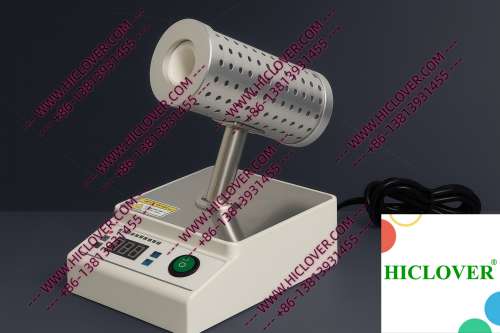
The Micro Incinerator operates on the principle of rapid thermal sterilization using infrared heat. This technology employs an enclosed ceramic heating chamber that reaches high temperatures almost instantaneously. Unlike traditional flame-based instruments, which require open fire, the Micro Incinerator provides a clean, controlled environment for sterilization. The absence of flames ensures an aerosol-free experience, significantly reducing the risk of airborne contamination – a crucial factor in sensitive laboratory settings.
Key features of the Micro Incinerator include:
- Rapid Thermal Disinfection: The device achieves effective sterilization in seconds, streamlining lab workflows.
- Compact Design: Its portable size and ease of operation make it suitable for various lab configurations, including BSL-2 and BSL-3 facilities.
- Safety Features: The flameless design minimizes fire hazards, making it ideal for cleanrooms and environments requiring strict biosafety compliance.
- Reduced Contamination Risk: The closed design prevents the spread of aerosols during use, ensuring reliability in sterile protocols.
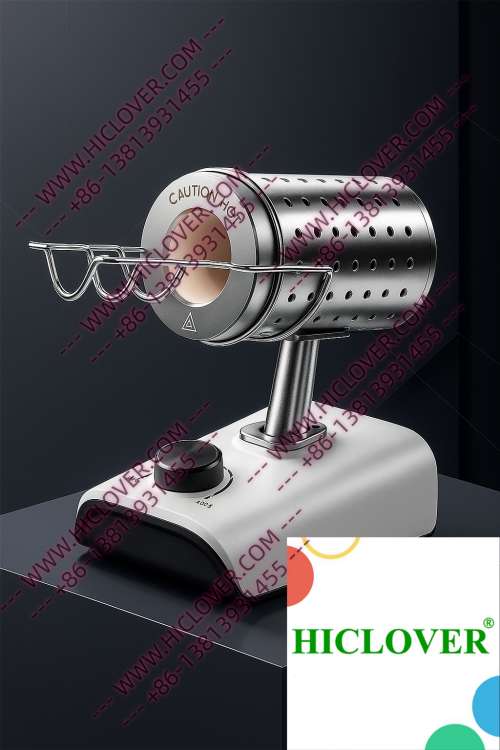
Application Scenarios in Real Labs
1. Biosafety Cabinets
In many microbiology laboratories, the Micro Incinerator is integrated into biosafety cabinets, offering a seamless sterilization solution without compromising airflow. During procedures, technicians can quickly sterilize inoculating loops while maintaining an aseptic work environment. The quick sterilization process allows for consistent and reliable results, essential for research and diagnostics.
2. Educational and Teaching Labs
Universities and colleges are turning to flameless technologies for teaching sterile techniques and microbiological practices. The Micro Incinerator provides students with a safe, efficient means of sterilization during lab sessions. By eliminating the flames, educators can focus on imparting critical knowledge in a controlled, accident-free setting, increasing student engagement and safety.
Compliance and Environmental Standards
Adhering to biosafety guidelines set by organizations, such as the WHO and various national health agencies, is paramount in laboratory settings. The absence of flames from the Micro Incinerator makes it compliant with restrictions on open flames in cleanroom environments. Furthermore, the device aligns with sterilization standards that prioritize environmental and safety considerations, ensuring compliance with regulations required for BSL-2 and BSL-3 labs.
Comparison: Micro Incinerator vs. Traditional Flame Sterilizers
| Feature | Micro Incinerator | Flame Sterilizers |
|---|---|---|
| Flameless Operation | Yes | No |
| Time to Sterilize | Sec | Min |
| Contamination Control | High | Moderate |
| Safety | High | Low |
| Portability | Portable | Heavy |
Frequently Asked Questions
1. How does the Micro Incinerator work?
The Micro Incinerator uses infrared heating technology to achieve high sterilization temperatures quickly, ensuring rapid and effective contamination control.
2. Where can the Micro Incinerator be used?
This device is suitable for various applications, including biosafety cabinets, field testing labs, and educational settings.
3. What are the benefits compared to traditional sterilizers?
The Micro Incinerator offers greater safety, reduced contamination risks, and quicker sterilization times compared to Bunsen burners or alcohol lamps.
4. Is the Micro Incinerator compliant with global safety standards?
Yes, it adheres to biosafety regulations set forth by organizations such as the WHO, making it suitable for BSL-2 and BSL-3 laboratories.
5. What maintenance is required for the Micro Incinerator?
Routine cleaning and inspection of the ceramic heating chamber ensure optimal performance and longevity of the device.
Conclusion
As laboratories continue to advance in their operations and biosafety protocols, the need for effective, flameless sterilization technologies becomes more important. The Micro Incinerator stands out as a versatile, safe, and compliant solution for modern labs, addressing pressing sterilization needs across various fields, from clinical diagnostics to educational institutions. If you are ready to enhance your laboratory’s sterilization capabilities, consider investing in the Micro Incinerator today for improved efficiency and safety.
Categories:
Tags: