
In the intricate world of biosafety, laboratories face numerous challenges when it comes to maintaining sterile environments. Contamination control is paramount, especially in settings that handle pathogenic microorganisms or sensitive biological samples. Traditional sterilization methods, such as Bunsen burners or alcohol lamps, often pose risks with their open flames, making them unsuitable for modern cleanroom environments. The need for reliable, efficient, and safe sterilization solutions has led to the rise of Micro Incinerators and Infrared Inoculating Loop Sterilizers. These advanced tools are redefining sterilization protocols in laboratory settings.
Understanding the Technical Principles
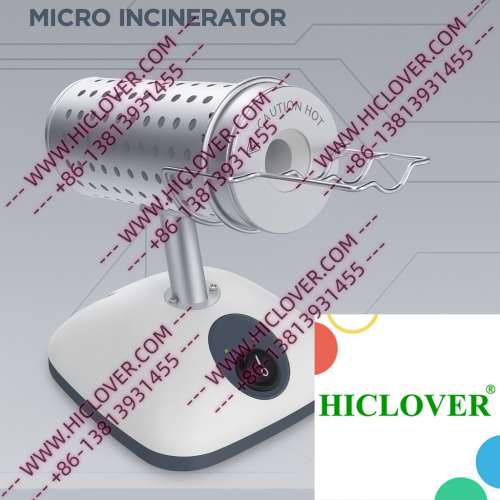
Micro Incinerators operate on the principle of rapid thermal sterilization using infrared heat. These devices feature a ceramic heating chamber that generates high temperatures in a controlled manner. Unlike traditional flame sterilizers, which can produce aerosol contamination and pose fire hazards, Micro Incinerators provide an enclosed environment that is clean-bench-safe.
The incorporation of infrared technology allows these units to achieve sterilization quickly and effectively, significantly reducing turnaround times. The controlled heat distribution ensures that inoculating loops and other equipment reach the necessary temperatures for effective microbial disinfection.
Application Scenarios in Real Labs
Field Testing Laboratories
In field testing laboratories, where conditions can be unpredictable, the portability and rapid operation of Micro Incinerators become invaluable. Researchers conducting microbial assays in remote areas can rely on these devices for immediate sterilization without the concern of fuel ignition or environmental hazards associated with flame sterilizers.
University Teaching Labs
In academic settings, particularly in BSL-2 and BSL-3 microbiology labs, the need for strict adherence to safety protocols is critical. Micro Incinerators are ideally suited for educational purposes, allowing students to learn proper sterile techniques without the risks associated with open flames. Their user-friendly design and rapid efficacy streamline the learning process while ensuring compliance with lab safety standards.
Compliance and Environmental Considerations
Laboratory sterilization standards are guided by international authorities such as the World Health Organization (WHO). These standards emphasize the importance of using non-flame sterilization methods in cleanrooms and other sensitive environments. Micro Incinerators comply with these guidelines, making them an essential choice for labs aiming to maintain high biosafety levels while minimizing contamination risks.
Utilizing infrared technology minimizes energy consumption compared to traditional methods, thus presenting a more environmentally friendly option. As labs strive to meet sustainability targets, adopting such innovations contributes to both operational efficiency and ecological responsibility.
Advantages of Micro Incinerators Over Traditional Flame Sterilizers
- Safety: No open flame reduces the risk of fire or accidental burns.
- Efficiency: Infrared heating provides rapid and uniform sterilization.
- Portability: Easily transportable for field use without fuel requirements.
- Clean Environment: Less risk of producing aerosols or combustion by-products.
- Versatility: Suitable for various laboratory applications including clinical diagnostics and research labs.
| Feature | Micro Incinerator | Flame Sterilizer |
|---|---|---|
| Open Flame | None | Present |
| Heating Method | Infrared | Combustion |
| Portability | High | Moderate |
| Time to Sterilize | Quick (< 10 seconds) | Longer |
| Risk of Contamination | Low | Higher |
Frequently Asked Questions (FAQs)
What is a Micro Incinerator?
A Micro Incinerator is a laboratory device designed for rapid sterilization of inoculating loops and small laboratory instruments using infrared heat, providing a safe alternative to traditional flame sterilizers.
How does infrared sterilization work?
Infrared sterilization utilizes electromagnetic radiation to generate heat, which rapidly raises the temperature of instruments, effectively killing bacteria and pathogens without the use of flames.
What are the key benefits of using a Micro Incinerator in a university lab?
Using a Micro Incinerator in a university lab enhances safety by eliminating open flames, improves workflow efficiency through rapid sterilization, and adheres to stringent laboratory compliance standards.
Can Micro Incinerators be used in field settings?
Yes, Micro Incinerators are compact and portable, making them ideal for use in field testing laboratories where traditional sterilization methods may not be feasible.
Are Micro Incinerators compliant with safety standards?
Micro Incinerators are designed to meet various biosafety standards, including those set by the WHO, ensuring safe and effective sterilization procedures in research and clinical environments.
Conclusion
The advantages of Micro Incinerators and Infrared Inoculating Loop Sterilizers position them as essential tools in contemporary laboratory workflows. Their ability to provide rapid thermal sterilization without the risks associated with flame sterilizers makes them invaluable for achieving optimal biosafety standards in laboratories worldwide. For laboratories looking to enhance their sterilization processes, consider exploring high-quality Micro Incinerators as a part of your lab safety protocol. Connect with us for more information or to place an order today!
Categories:
Tags: