
In today’s research and clinical environments, the necessity for reliable and efficient sterilization techniques has become more critical than ever. Laboratories are faced with biosafety challenges such as contamination control and rapid thermal sterilization of implements like inoculating loops and needles. In particular, Micro Incinerators, including products like the Infrared Inoculating Loop Sterilizer, are revolutionizing laboratory sterilization workflows.
Technical Principles Behind Micro Incinerators
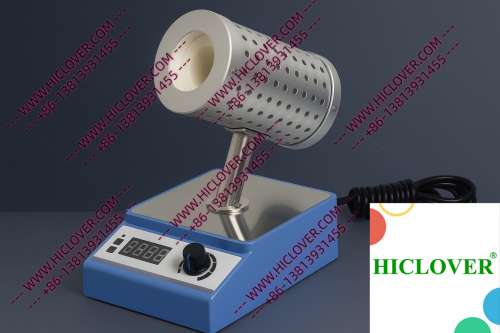
The Micro Incinerator utilizes advanced infrared technology to achieve high-temperature disinfection in a compact form. Unlike traditional flame sterilizers such as alcohol lamps and Bunsen burners, which require open flames, the Micro Incinerator operates with enclosed ceramic heating chambers that ensure increased safety and improved energy efficiency.
The infrared heat generated within these devices reaches temperatures necessary for effective sterilization in seconds, providing a quick solution to contamination risks. This mechanism minimizes the risk of aerosol generation and offers a clean-bench-safe alternative crucial for laboratories adhering to strict biosafety standards.
Applications in Real Laboratory Settings
1. Biosafety Cabinets
In a BSL-2 microbiology lab, the Micro Incinerator is ideal for operators working within biosafety cabinets. When sterile implements are routinely needed, the instant sterilization capability helps ensure that cross-contamination is avoided, allowing researchers to concentrate on their experiments without risk. The enclosed design of the Micro Incinerator allows it to operate alongside sensitive equipment while protecting operators from exposure to pathogens.
2. Teaching Labs
Educational institutions investing in laboratory training for biology or microbiology curriculums favor these inert devices. The compact size and rapid thermal sterilization capacity make it suitable for university teaching labs, as they teach better hygiene practices to students while eliminating the need for flame. The Micro Incinerator encourages safe handling of biological samples and improves the learning experience by focusing on sterile techniques.
Compliance and Environmental Considerations
Micro Incinerators align with WHO biosafety and laboratory sterilization standards, which require that laboratories minimize contamination risk during experiments or tests. For instance, in clean rooms, the absence of any open flame is emphasized to prevent contamination while maintaining sterility. Moreover, using infrared sterilizers reduces the environmental footprint as they utilize less energy compared to traditional methods while ensuring the same disinfection efficacy.
- Aligns with WHO biosafety protocols
- No open flame—suitable for clean environments
- Reduced energy consumption
Comparison of Micro Incinerators and Traditional Flame Sterilizers
| Feature | Micro Incinerator | Traditional Flame Sterilizers |
|---|---|---|
| Heat Source | Infrared | Open Flame |
| Safety | Enclosed, low risk | High risk of burns and accidents |
| Efficiency | Rapid sterilization | Slower heating |
| Portability | Compact design | Bulky equipment |
| Environment Impact | Lower energy use | Higher energy consumption |
Frequently Asked Questions
- What applications are best suited for a Micro Incinerator?
Micro Incinerators are particularly effective in BSL-2 labs, teaching labs, and field testing environments where quick sterilization of tools is required. - How does the Infrared Inoculating Loop Sterilizer differ from traditional flame sterilizers?
The primary differences lie in the safety of operation (no open flame), energy efficiency, and the speed of sterilization. - Are Micro Incinerators compliant with international sterilization standards?
Yes, they align with WHO biosafety standards and are recommended for use in sterile environments. - What makes the Micro Incinerator a safer option?
The enclosed ceramic tube design minimizes risk of accidental burns and is aerosol-free, reducing the possibility of contaminating sterile areas. - Can Micro Incinerators replace traditional sterilization methods in clinical settings?
Yes, they are designed to offer a comprehensive solution for sterilization needs while enhancing safety and efficiency.
Final Thoughts
As laboratories increasingly prioritize biosafety and effective sterilization practices, the role of Micro Incinerators like the Infrared Inoculating Loop Sterilizer becomes exponentially important. Their advanced technology not only enhances sterilization effectiveness but also contributes significantly to compliance with health and safety standards. If you’re ready to improve your laboratory’s sterilization workflow and safety protocols, consider implementing a Micro Incinerator into your operations. Contact us today to explore options tailored to your laboratory needs.
Categories:
Tags: