
In the rapidly evolving field of laboratory biosafety, the need for effective sterilization methods has never been more crucial. Laboratories handling pathological specimens, particularly those in biomedical research and veterinary medicine, face significant challenges in contamination control. Traditional flame sterilizers, such as Bunsen burners and alcohol lamps, are often inadequate and present risks, including aerosol generation and high flammability. This necessitates the adoption of advanced sterilization techniques, notably the Micro Incinerator, or Infrared Inoculating Loop Sterilizer, which offers a reliable and efficient alternative.
Understanding the Micro Incinerator
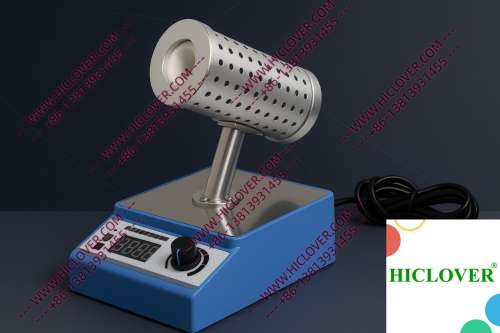
The Micro Incinerator employs infrared heat technologies to achieve rapid thermal sterilization. With its enclosed ceramic heating chamber, it provides high-temperature disinfection without the risks commonly associated with open flames. This innovative device heats inoculating loops and other instruments to sterilization temperatures, ensuring that no biological or chemical contaminants are left on the surfaces of laboratory tools.
Technical Principles Behind Infrared Sterilization
The operating principle of the Micro Incinerator is based on infrared radiation that generates extreme heat when absorbed by the loop or instrument being sterilized. Unlike traditional flame methods, the closed design of the ceramic tube mitigates risks associated with open flames, such as the generation of aerosols and the possibility of fire in sensitive environments. The compact size and rapid heating capabilities make it an ideal choice for various laboratory settings.
Application Scenarios in Real Labs
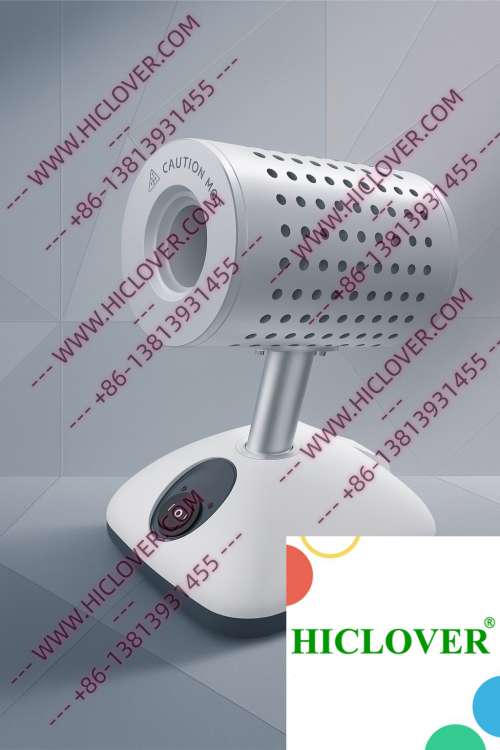
- Biosafety Cabinets: In BSL-2 and BSL-3 microbiology labs, where strict contamination controls are paramount, the Micro Incinerator is utilized to sterilize inoculating loops without compromising airflow or introducing contaminants into the clean environment.
- Teaching Laboratories: Universities and academic institutions benefit from using the Micro Incinerator in teaching labs. The straightforward operation allows students to learn proper sterilization techniques without the risks associated with flame-based methods.
- Field Testing Labs: Mobile labs, commonly deployed in field research or clinical diagnostics, leverage the small footprint and lightweight design of the Micro Incinerator for quick sterilization on-site, eliminating the need for bulky equipment.
Compliance and Environmental Considerations
Adhering to international biosafety standards, such as those set by the World Health Organization (WHO), is essential for laboratories handling infectious materials. The Micro Incinerator eliminates the use of open flames, aligning with safety protocols that minimize fire hazards in clean rooms and sterile areas. Moreover, it complies with lab sterilization standards by providing a reliable and effective means of ensuring that instruments are properly disinfected before reuse.
“Using the Micro Incinerator supports lab efforts to maintain a contamination-free workspace, essential for reliable research outcomes.”
Micro Incinerator vs. Traditional Flame Sterilizers
| Feature | Micro Incinerator | Flame Sterilizers |
|---|---|---|
| Heat Generation | Infrared high-temperature | Flame-based |
| Contamination Control | Aerosol-free handling | High risk of aerosol generation |
| Safety | No open flames | Fire hazard present |
| Efficiency | Rapid thermal sterilization | Slower process |
FAQs about the Micro Incinerator
- What types of materials can be sterilized using a Micro Incinerator? – The Micro Incinerator effectively sterilizes inoculating loops, needles, and other small laboratory tools made from metal.
- How long does the sterilization process take? – The sterilization process is rapid, typically taking a matter of seconds to achieve the desired temperatures.
- Is the Micro Incinerator suitable for use in BSL-3 labs? – Yes, the Micro Incinerator meets the safety and sterilization requirements for use in BSL-3 environments.
- Does it require special maintenance? – Minimal maintenance is needed, mainly ensuring that the ceramic heating element is kept clean and in good condition.
- Can the Micro Incinerator be used in field testing applications? – Absolutely! Its portability and ease of use make it ideal for mobile labs in field settings.
Conclusion
As laboratories continue to prioritize microbial management and biosafety, advanced sterilization solutions are more essential than ever. The Micro Incinerator stands out as a superior choice compared to traditional flame sterilizers, providing safety, efficiency, and compliance with health standards. To enhance your laboratory’s sterilization protocols and ensure the highest levels of biosafety, consider integrating the Micro Incinerator into your workflow. For inquiries or to make a purchase, please contact us today!
Categories:
Tags: