
In modern laboratories, especially in environments dealing with potentially hazardous microorganisms, the challenge of ensuring sterility is of paramount importance. Traditional methods of sterilization, such as alcohol lamps and Bunsen burners, often pose significant risks, including the danger of open flames and the generation of hazardous aerosols. The demand for safer, more efficient, and compliant sterilization workflows has led to the increased adoption of innovative technologies such as burn-free infrared systems, particularly in the form of the Micro Incinerator or Infrared Inoculating Loop Sterilizer. This article explores the distinct advantages of such systems, their technical principles, applications in various laboratory settings, and compliance standards that underscore the vital role they play in laboratory biosafety.
Understanding the Technical Principles of Infrared Sterilization
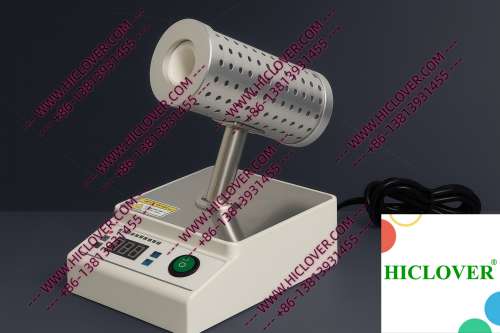
The core technology behind burn-free infrared sterilization relies on the use of infrared heat generated through an enclosed ceramic tube. Unlike traditional flame-based systems, which can introduce contaminants and pose fire hazards, infrared sterilizers utilize a high-temperature, rapid thermal sterilization process that is both efficient and effective at eradicating microorganisms.
For instance, the Micro Incinerator harnesses a ceramic heating element that quickly reaches sterilization temperatures, ensuring a consistently high level of disinfection. The coating of the ceramic tube prevents corrosion and ensures durability, while the enclosed design minimizes the risk of contamination. Operators can achieve sterilization without exposing themselves or the surrounding environment to dangerous flames and aerosols.
Applications in Real Laboratory Settings
Burn-free infrared systems are making a significant impact across various laboratory environments. Here are two prominent application scenarios:
- Biosafety Cabinets: Within BSL-2 and BSL-3 microbiology labs, the Micro Incinerator is particularly valued for its ability to sterilize inoculating loops and other tools while maintaining a clean and contamination-free environment. Its rapid sterilization cycle ensures that microbiologists can work efficiently without compromising biosafety.
- University Teaching Labs: In educational settings, where students are learning the importance of sterilization techniques, using an infrared sterilizer provides a safe, flame-free alternative. Instructors can demonstrate sterilization processes confidently, knowing that there are no open flames to worry about.
Compliance and Environmental Considerations
In today’s laboratory landscape, strict adherence to biosafety and sterilization standards is imperative. The World Health Organization (WHO) offers guidelines that outline best practices for laboratory safety, including the need for effective sterilization processes. Utilizing infrared systems helps labs align with these standards by minimizing hazards associated with flame sterilization.
Additionally, clean rooms require that no flames are introduced into the environment. Infrared sterilizers, such as the Micro Incinerator, operate without flames, making them an ideal choice for sterility maintenance in these sensitive laboratory areas. The absence of flammable materials, such as alcohol, further enhances safety while also reducing the risk of flammable aerosols.
Comparison of Micro Incinerator vs. Traditional Flame Burners
| Features | Micro Incinerator | Flame Burners |
|---|---|---|
| Sterilization Method | Infrared heat | Open flame |
| Contamination Risk | Low | High |
| Cycle Time | Rapid | Varies |
| Safety | High (flame-free) | Moderate (fire hazard) |
| Durability | High (ceramic tube) | Moderate (metal components) |
Frequently Asked Questions
- What is the primary advantage of using an infrared sterilizer?
The primary advantage is the rapid and efficient sterilization process that eliminates contaminants without the hazards of open flames. - Can the Micro Incinerator be used in field testing environments?
Yes, it is portable and ideal for field testing where safe sterilization is required. - How does the infrared sterilization process work?
The system uses an enclosed ceramic tube that generates infrared heat, rapidly sterilizing inoculating loops and other lab instruments. - What are the safety benefits of choosing burn-free systems over traditional methods?
Burn-free systems reduce the risk of fire and aerosol exposure, making them safer for laboratory personnel. - Is it compliant with WHO biosafety standards?
Yes, burn-free infrared systems align with WHO guidelines for safe sterilization practices in laboratory environments.
Conclusion
As laboratory workflows evolve, ensuring effective sterilization with minimal risks is crucial for maintaining safety and compliance. Burn-free infrared systems such as the Micro Incinerator offer a modern solution that outperforms traditional flame sterilizers in speed, safety, and efficacy. Whether in a bustling university lab or a precision-controlled biosafety cabinet, these systems enhance sterilization processes while safeguarding laboratory personnel and the integrity of experiments.
We encourage laboratory supply distributors, hospitals, universities, and research centers to explore these cutting-edge sterilization solutions. Connecting with us today can lead to improved laboratory safety and compliance, enabling you to sterilize with confidence.
Categories:
Tags: