
In modern laboratories, especially within BSL-2 and BSL-3 microbiology settings, the demand for effective sterilization solutions is paramount. Traditional methods, such as using Bunsen burners or alcohol lamps, often fall short in addressing the evolving challenges of biosafety, contamination control, and workflow efficiency. Consequently, the adoption of advanced laboratory sterilization equipment, particularly the Micro Incinerator or Infrared Inoculating Loop Sterilizer, is redefining how sterilization is performed in laboratories around the world.
Understanding the Technical Principles
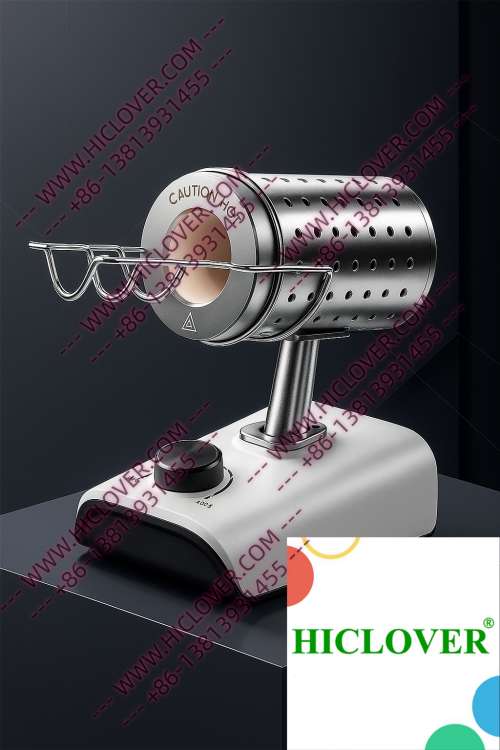
The Micro Incinerator utilizes infrared heat, which offers rapid thermal sterilization— an essential feature for handling contamination in sterile environments. Unlike traditional flame sterilizers, which often produce soot and other contaminants, the Micro Incinerator employs an enclosed ceramic heating chamber. This setup not only provides a clean heating environment but also facilitates precise temperature control, which is critical for sterilization tasks.
Moreover, the design of the Micro Incinerator allows for aerosol-free handling. In contrast, flames can create aerosol particles that pose safety risks, particularly in closed systems like biosafety cabinets. With its focused heat source, the Micro Incinerator minimizes the risks associated with volatile substances, ensuring a safer workspace.
Applications in Laboratory Settings
- Biosafety Cabinets: In a BSL-2 laboratory, where handling potentially harmful microorganisms is routine, employing a Micro Incinerator mitigates ignition risks associated with open flames. Researchers can quickly sterilize inoculating loops or other tools without compromising their workspace’s safety.
- Field Testing: For mobile or field testing labs, having a reliable sterilization method that is lightweight and portable is essential. The Micro Incinerator provides instant sterilization in diverse environments, enabling efficient microbial analysis without the need for bulky equipment.
- University Teaching Labs: In academic institutions, the Micro Incinerator serves as an educational tool, demonstrating rapid sterilization techniques to students without the hazards associated with traditional flame methods. Its user-friendly interface allows students from diverse backgrounds to engage with sanitation protocols safely.
- What is a Micro Incinerator? A Micro Incinerator is a laboratory sterilization tool that uses infrared heat to provide quick and efficient sterilization of inoculating loops and other lab tools.
- How does it compare to traditional sterilizers? Unlike traditional flame sterilizers, the Micro Incinerator offers a safer, cleaner, and more efficient method of sterilization without the risk of flame-related hazards.
- Can it be used in BSL-3 labs? Yes, the Micro Incinerator is suitable for BSL-3 labs as it meets the strict biosafety requirements needed for handling pathogenic organisms.
- Is it easy to operate for students? Absolutely! The user-friendly design of the Micro Incinerator makes it ideal for educational settings, allowing students to learn sterile techniques safely.
- How does it improve laboratory workflow? By providing rapid thermal sterilization and minimizing aerosol production, the Micro Incinerator enhances workflow efficiency while maintaining laboratory safety.
Biosafety Compliance and Environmental Considerations
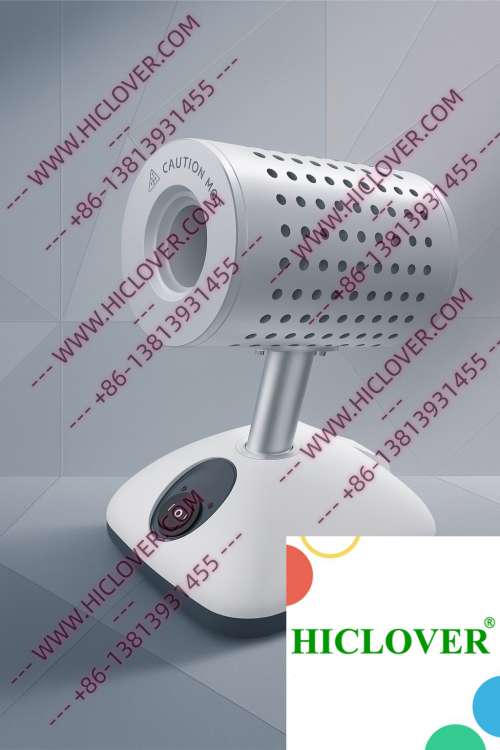
Compliance with biosafety guidelines is crucial in laboratory environments. The WHO has established stringent standards concerning laboratory sterilization practices to minimize exposure to infectious agents. Additionally, laboratories are required to maintain safe environments free from ignition sources, particularly in clean rooms. The Micro Incinerator’s flameless operation directly addresses these requirements, allowing labs to remain compliant without sacrificing performance.
Furthermore, the reduction of open flames contributes positively to the laboratory’s environmental safety. Facilities can maintain a low-risk environment while promoting a culture of safety that aligns with global biosafety standards.
Comparison: Micro Incinerator vs. Traditional Flame Sterilizers
| Feature | Micro Incinerator | Bunsen Burner/Alcohol Lamp |
|---|---|---|
| Heat Source | Infrared | Open Flame |
| Safety | Aerosol-Free, Clean | Risk of Aerosols |
| Portability | Highly Portable | Moderate |
| Contamination Control | Optimal | Inconsistent |
| Efficiency | Instant Heating | Heat-Up Time Required |
FAQs About Micro Incinerators
Conclusion
In summary, the transition from traditional flame sterilizers to advanced solutions like the Micro Incinerator underscores a significant evolution in laboratory sterilization practices. By embracing this innovative technology, laboratories can ensure higher safety standards, comply with biosafety regulations, and improve their operational efficiency. If you’re looking to enhance your sterilization processes and ensure the utmost safety and compliance in your lab, consider integrating the Micro Incinerator into your workflow today. For more information on purchasing options or tailored advice, don’t hesitate to contact us!
Categories:
Tags: