
In today’s fast-paced research and clinical environments, laboratories face increasing challenges related to biosafety and contamination control. Reliable sterilization solutions are essential to ensure that laboratory workflows are efficient and safe. One of the most effective tools in modern laboratories is the Micro Incinerator or Infrared Inoculating Loop Sterilizer, which has rapidly gained popularity in Vietnam’s research and clinical spaces.
Understanding Infrared Thermal Sterilization
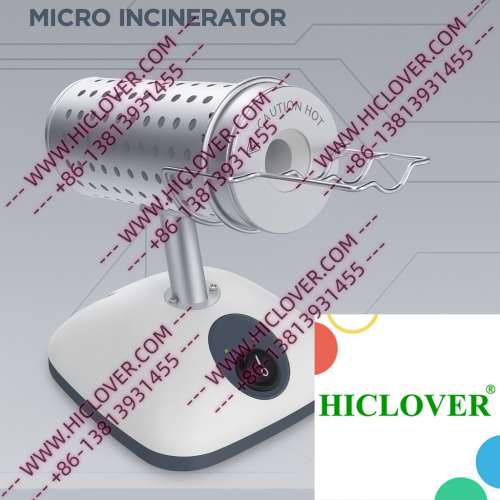
The Micro Incinerator utilizes advanced infrared heating technology to achieve rapid thermal sterilization. Unlike traditional flame sterilizers such as Bunsen burners or alcohol lamps, the micro incinerator generates intense heat through an enclosed ceramic tube, which ensures high temperatures are reached quickly and uniformly. This design eliminates the risk of open flames in sensitive environments, making it a safer option for work in biosafety cabinets and clean rooms.
The infrared heating mechanism operates without producing any aerosols, providing a cleaner operational environment and reducing the risk of contamination during microbial handling. The dry heat effectively sterilizes inoculating loops and other small instruments within just a few seconds, ensuring compliance with laboratory sterilization standards.
Applications of Micro Incinerators in Laboratories
- Utilization in Biosafety Cabinets: In BSL-2 and BSL-3 microbiology labs, the Micro Incinerator serves as an ideal sterilization solution due to its enclosed design, which can easily fit into the workflow of safety cabinets. Researchers can efficiently sterilize tools without compromising biosafety.
- Field Testing Laboratories: Many mobile labs conduct field tests in challenging environments. The compact nature of these sterilizers allows for portable use, where researchers can rely on quick sterilization of tools without the need for bulky flame sources.
- University Teaching Labs: In educational settings, teaching safe sterilization techniques is critical. Incorporating the Micro Incinerator into the curriculum trains students on efficient sterilization practices in a hands-on manner, demonstrating modern microbiological techniques without the risks associated with open flames.
Compliance and Environmental Considerations
The World Health Organization (WHO) outlines strict guidelines and standards for biosafety in laboratory operations. Compliance with these standards is crucial to preventing biohazardous incidents and ensuring a safe working environment. The Micro Incinerator aligns with these regulations by providing a flame-free sterilization solution that minimizes the risk of fire hazards in clean environments.
Moreover, using an infrared inoculating loop sterilizer helps laboratories maintain greater control over contamination. Unlike traditional flame sterilizers that can introduce particulates into clean airspaces, the Micro Incinerator offers a clean-bench-safe environment, thereby enhancing the quality and reliability of laboratory results.
Comparison: Micro Incinerator vs. Traditional Flame Sterilizers
| Feature | Micro Incinerator | Flame Sterilizers |
|---|---|---|
| Heating Mechanism | Infrared Heat | Open Flame |
| Safety | Closed Design, No Risk of Fire | High Risk of Fire |
| Contamination Control | Aerosol-Free | Potential for Aerosols |
| Speed of Sterilization | Seconds | Variable (Dependent on Flame) |
| Portability | Highly Portable | Less Portable |
Frequently Asked Questions
What makes Micro Incinerators suitable for laboratory use?
Micro Incinerators are reliable and efficient, offering rapid thermal sterilization while ensuring minimal contamination risks.
Can Micro Incinerators be used in BSL-3 laboratories?
Yes, their design enhances safety and compliance with regulations required in BSL-3 environments.
How long does it take to sterilize an inoculating loop?
The sterilization process typically takes just a few seconds, significantly improving workflow efficiency.
Are Micro Incinerators environmentally friendly?
Yes, they do not produce harmful emissions and operate without open flames, reducing potential hazards in clean environments.
What types of laboratories benefit from using Micro Incinerators?
Micro Incinerators are ideal for research labs, clinical diagnostics, university teaching labs, and mobile field labs.
Conclusion
As contamination control becomes an increasingly pivotal aspect of laboratory workflows, the Micro Incinerator emerges as a leading tool in achieving efficient, safe sterilization. Its unique design and rapid thermal sterilization capabilities make it a perfect fit for the diverse range of laboratory environments in Vietnam, whether in research, education, or medical settings. If your laboratory is seeking a safer, more effective means of sterilization, consider contacting us for more information and purchasing options tailored to your specific needs.
Categories:
Tags: