
In the constantly evolving landscape of laboratory biosafety, one of the pressing challenges is ensuring efficient sterilization while minimizing environmental impact. As laboratories in Thailand strive to meet biosafety demands, the quest for reliable sterilization methods has never been more critical. This is where the Micro Incinerator, specifically the Infrared Inoculating Loop Sterilizer, emerges as an innovative solution.
Understanding the Technical Principles
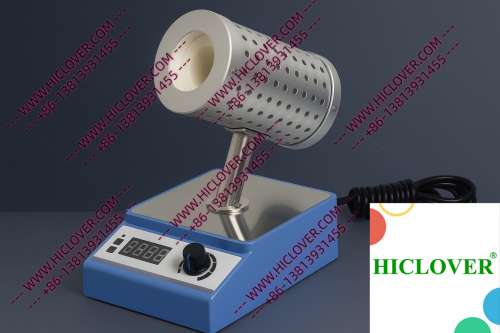
Micro Incinerators utilize infrared heat as a sterile medium to rapidly and efficiently sterilize laboratory equipment. Unlike traditional flame sterilizers such as Bunsen burners or alcohol lamps, the infrared design features an enclosed ceramic tube that provides a high-temperature environment (up to 850°C), ensuring complete disinfection without the risk of airborne contamination or flames.
- Rapid Thermal Sterilization: Achieves sterilization in seconds, enhancing operational efficiency.
- Controlled Environment: The enclosed design maintains a clean, flame-free zone, minimizing contamination risks.
- Aerosol-Free Handling: Reduces aerosolized pathogens during the sterilization process, ensuring laboratory safety.
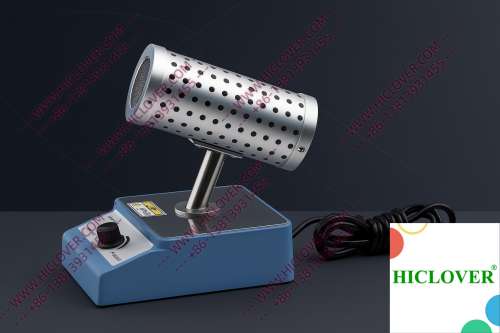
Applications of Micro Incinerators in Laboratories
Micro Incinerators are versatile tools suited for various laboratory scenarios, such as:
Biosafety Cabinets
In BSL-2 and BSL-3 microbiology labs, Micro Incinerators provide an effective means of ensuring that inoculating loops and other reusable instruments are sterilized before use. The quick sterilization time reduces workflow bottlenecks and maintains a sterile environment, crucial for handling potentially dangerous pathogens.
Field Testing and Mobile Labs
For researchers conducting field tests in rural areas of Thailand, having portable sterilization tools is essential. Micro Incinerators are lightweight and easy to operate, offering an ideal solution for mobile laboratory setups. They allow scientists to ensure that their instruments are sterilized on-site, adhering to biosafety standards without needing a full lab setup.
Compliance and Environmental Considerations
Adhering to global biosafety standards is paramount in laboratory operations. The World Health Organization (WHO) mandates strict sterilization protocols in clinical and research environments. Micro Incinerators fulfill these guidelines by offering:
- Compliance with laboratory sterilization standards.
- Elimination of flames in clean rooms, reducing fire hazards.
- Enhanced contamination control, crucial in sensitive laboratory environments.
In addition, utilizing Micro Incinerators contributes to waste-to-energy initiatives. By converting biological waste through high-temperature disinfection, these devices assist laboratories in reducing their environmental footprint, aligning with sustainable practices crucial for modern research facilities in Thailand.
Comparative Analysis: Micro Incinerator vs. Traditional Flame Sterilizers
| Feature | Micro Incinerator | Flame Sterilizer |
|---|---|---|
| Temperature Control | Precision infrared heat | Variable flame intensity |
| Safety | Flame-free operation | Fire risk |
| Cleansing Time | Seconds | Varies (usually longer) |
| Aerosol Generation | Minimal | High |
FAQs About Micro Incinerators
Here are some frequently asked questions regarding the use of Micro Incinerators in laboratory environments:
- What makes a Micro Incinerator safer than a traditional flame sterilizer?
Micro Incinerators eliminate open flames, reducing the risk of fire and providing a sterile environment free from aerosol contamination. - How does the infrared sterilization process work?
The infrared technology heats the enclosed ceramic tube to high temperatures, enabling rapid and effective sterilization of instruments. - Are Micro Incinerators aligned with WHO biosafety standards?
Yes, they are designed to meet stringent biosafety protocols and contribute to safer laboratory practices. - Is a Micro Incinerator suitable for use in teaching labs?
Absolutely, their ease of use and rapid sterilization capabilities make them ideal for educational settings. - Can a Micro Incinerator be used outdoors for field studies?
Yes, its portability and efficiency make it an excellent choice for field testing environments.
The Future of Laboratory Sterilization
As laboratories in Thailand and across the globe continue to seek innovative solutions for waste management and sterilization, Micro Incinerators stand out as a key technology. They not only facilitate efficient sterilization but also support environmental sustainability initiatives.
Transitioning from traditional flame sterilizers to Micro Incinerators represents a significant step forward in laboratory best practices. Their compact design, rapid operation, and adherence to biosafety standards can revolutionize laboratory workflows across various sectors, enabling safer, cleaner, and more efficient research environments.
For those looking to upgrade their sterilization equipment, explore the practical advantages of the Micro Incinerator and discover how it can enhance your laboratory operations. Contact us today to learn more about our offerings and find the right solution for your laboratory needs.
Categories:
Tags: