
In scientific environments where contamination control is paramount, the selection of appropriate sterilization equipment is essential. Laboratories face diverse biosafety challenges, from maintaining sterile conditions in BSL-2 and BSL-3 microbiology labs to ensuring efficient workflows in university teaching labs. Among the various options available, the Micro Incinerator, or Infrared Inoculating Loop Sterilizer, stands out as a modern solution to traditional flame sterilizers.
Practical Laboratory Biosafety Challenges
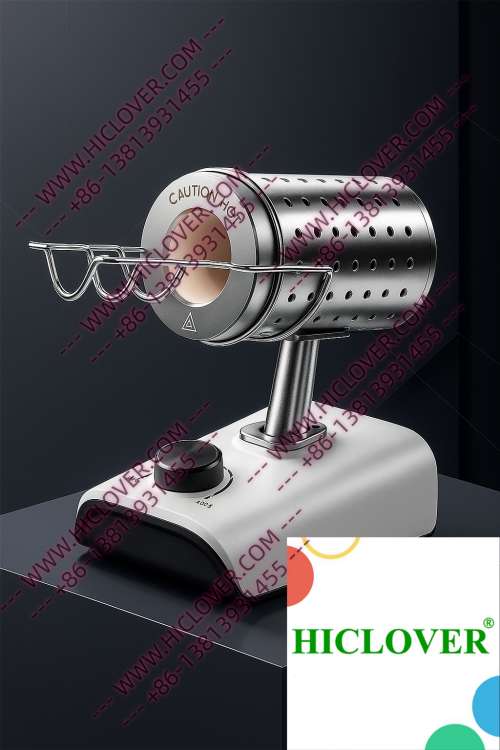
Laboratories often deal with issues such as aerosol generation, contamination during sample handling, and strict biosafety compliance. Traditional flame sterilizers, like alcohol lamps and Bunsen burners, pose safety risks, generating flames and potentially contributing to hazardous fumes. The need for rapid thermal sterilization that ensures effective disinfection while adhering to strict guidelines has led to the need for advanced sterilization solutions.
Technical Principles of Micro Incinerators
The Micro Incinerator utilizes infrared heat technology to achieve high-temperature disinfection. It is designed with an enclosed ceramic heating chamber that rapidly heats to sterilize inoculating loops, needles, and other lab tools. Unlike flame-based alternatives, the Micro Incinerator provides a clean-bench-safe environment free of aerosols, significantly reducing the risk of contamination during critical procedures.
Comparative Features of Micro Incinerators vs. Traditional Flame Burners
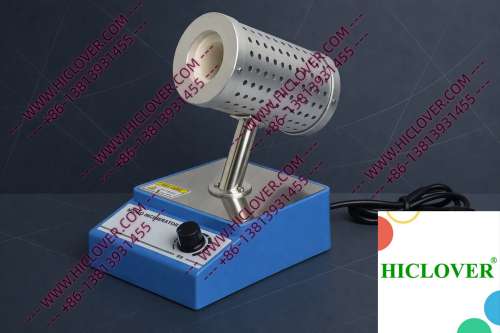
| Feature | Micro Incinerator | Flame Burners |
|---|---|---|
| Heat Source | Infrared Heat | Open Flame |
| Contamination Control | Aerosol-Free | Yes |
| Safety | Clean-Bench Safe | Flame Hazard |
| Heat-Up Time | Rapid | Variable |
| Durability | Long-lasting Ceramic | Frequent Replacement Needed |
Application Scenarios in Real Labs
1. University Teaching Labs
In academic environments, where students frequently perform microbiological experiments, the Micro Incinerator provides a reliable and user-friendly tool for sterilizing inoculating loops. Its rapid heating capabilities allow students to maintain the momentum of their research while honing critical laboratory skills without the risk associated with flames. This ensures a safer learning experience and fosters best practices in laboratory hygiene.
2. Clinical Diagnostics
Clinical laboratories engaged in diagnostic tests require stringent adherence to biosafety protocols. The Micro Incinerator offers a portable yet efficient solution for sterilizing equipment without the need for open flames. In settings where sterility is crucial, such as blood culture and pathogen identification, this device enhances the laboratory workflow. It reduces downtime and minimizes safety hazards, allowing healthcare professionals to focus on patient care.
Biosafety Compliance and Environmental Standards
Adherence to biosafety regulations is non-negotiable in laboratory environments. The World Health Organization (WHO) and various national standards emphasize the need for effective sterilization protocols to mitigate the risk of infections and contamination. Among these regulations, the necessity of flame-free sterilization methods in clean rooms is critical for maintaining air quality and reducing flammable material hazards.
Micro Incinerators are ideal for such spaces, allowing laboratories to align with lab sterilization standards while enhancing safety protocols. Their design reduces risks associated with aerosol generation, making them compliant with expectations for BSL-2 and BSL-3 lab environments.
Frequently Asked Questions
- What are the significant advantages of using a Micro Incinerator over traditional flame sterilizers?
The Micro Incinerator offers faster heat-up times, enhanced safety with aerosol-free operations, and a more sterile environment, making it a superior choice for contamination control. - Are Micro Incinerators suitable for field testing applications?
Yes, their portability and durability make them ideal for field testing labs where safety and efficiency cannot be compromised. - How does the sterilization process of a Micro Incinerator work?
The device uses infrared heat to quickly sterilize tools, eliminating pathogens without producing hazardous aerosols. - What maintenance is required for Micro Incinerators?
Regular cleaning to remove any residues and ensuring the ceramic heating element is intact can prolong the life of the equipment. - Can the Micro Incinerator be used in CO₂ incubator operations?
Yes, due to its clean operation, it can be safely utilized in environments that require strict contamination control like anaerobic chambers.
Conclusion
Choosing the right PCR room sterilizer is crucial for maintaining biosafety and operational efficiency in any lab setting. The Micro Incinerator/Infrared Inoculating Loop Sterilizer stands out as an innovative solution, combining rapid thermal sterilization with advanced safety features. With its proven reliability and effectiveness, it is an investment worth considering for laboratories seeking to enhance their sterilization workflows. Contact us today to learn more about how this essential equipment can improve your lab’s sterilization processes!
Categories:
Tags: