
In modern laboratories, ensuring biosafety and contamination control is a paramount challenge that researchers and technicians must navigate daily. Traditional methods of sterilization, such as alcohol lamps and Bunsen burners, have served their purpose for decades but come with significant drawbacks—namely, the risks of flame hazards, aerosol generation, and contamination. As lab environments evolve, there is a pressing need for advanced sterilization techniques, particularly in sensitive microbiological work.
Understanding Loop Sterilizers: Micro Incinerators and Infrared Technology
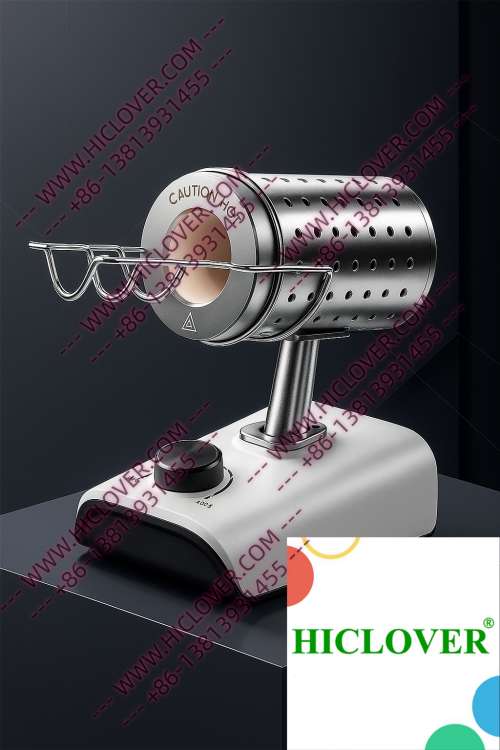
Among the most innovative sterilization tools in contemporary labs is the Micro Incinerator or Infrared Inoculating Loop Sterilizer. This device leverages rapid thermal sterilization principles to efficiently eliminate microbial contamination. The heart of the system lies in its enclosed ceramic heating chamber, which generates a high-temperature infrared heat source, allowing for effective disinfection without the risk associated with traditional flame-based methods.
The infrared method provides several advantages over conventional flame sterilizers. For example:
- Quick Sterilization: Inoculation loops can be sterilized in seconds.
- Clean-Bench-Safe: The design prevents any particles from becoming airborne.
- Aerosol-Free Handling: Minimizes the risk of contamination through aerosols.
- What is the heating mechanism in a Micro Incinerator?
The device utilizes infrared radiation to achieve rapid heating, ensuring effective sterilization. - Can Micro Incinerators be used in cleanroom environments?
Yes, these sterilizers are designed for cleanroom compatibility, as they do not produce aerosol emissions. - How does the Micro Incinerator minimize the risk of contamination?
Its enclosed design prevents airborne particles from escaping, significantly reducing contamination risk. - What types of labs utilize Micro Incinerators most frequently?
They are common in BSL-2 and BSL-3 labs, educational institutions, and mobile testing facilities. - What are the maintenance requirements for a Micro Incinerator?
Regular inspections should be conducted to ensure the heating element is functioning optimally; minimal maintenance overall is required.
Real-World Applications of Micro Incinerators
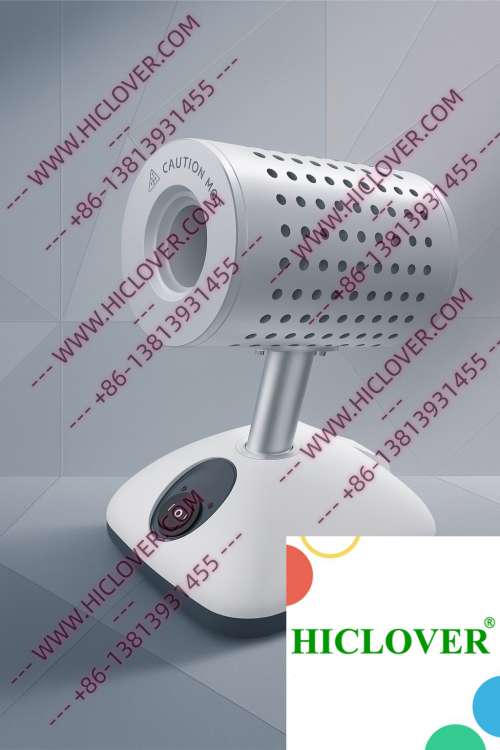
The application of Micro Incinerators spans a variety of laboratory settings, from high-security biosafety labs to university teaching environments. Here are two prominent scenarios:
Biosafety Cabinet Use Case
In BSL-2 and BSL-3 microbiology labs, where the handling of potentially infectious agents is routine, the Micro Incinerator is often employed within biosafety cabinets. Its design allows for optimal thermal sterilization without producing dangerous aerosols, maintaining a sterile work environment. Additionally, using the Micro Incinerator reduces the time spent on sterilization and enhances workflow efficiency, enabling researchers to focus on their experiments.
Teaching Labs and Field Testing
In university teaching labs, the Micro Incinerator serves as an educational tool, demonstrating rapid sterilization techniques while maintaining a safe learning environment. In field testing applications, portable Micro Incinerators prove invaluable for researchers working in remote locations where traditional power sources may not be available. These devices allow for effective sterilization on-the-go, thus adhering to rigorous biosafety standards while gathering essential field data.
Compliance and Environmental Considerations
Globally recognized organizations, such as the WHO, have established biosafety standards that laboratories must follow to minimize risk. The choice of sterilization equipment plays a significant role in achieving compliance. By eliminating the need for an open flame, Micro Incinerators align with the stringent requirements set for laboratory safety, especially in cleanrooms or high-throughput screening environments.
Additionally, there are environmental considerations. Micro Incinerators do not contribute to hazardous waste produced by alcohol lamps or other chemical sterilants. They offer a sustainable solution by reducing laboratory emissions and eliminating complexities related to flammable materials.
Advantages of Micro Incinerators Over Traditional Flame Burners
When comparing Micro Incinerators and traditional flame sterilizers, various factors highlight the superiority of the former:
| Feature | Micro Incinerator | Flame Burners |
|---|---|---|
| Speed of Sterilization | Seconds | Minutes |
| Risk of Contamination | Minimal | High |
| Safety | No flame hazards | Open flame hazards |
| Efficiency in Workflow | Increases efficiency | Decreases efficiency |
Frequently Asked Questions
Conclusion
The Micro Incinerator, or Infrared Inoculating Loop Sterilizer, embodies the future of laboratory sterilization by addressing the fundamental challenges of biosafety and contamination control. Its ease of use, rapid thermal sterilization capabilities, and compliance with contemporary biosafety standards make it an essential addition to any research facility. As laboratories continue to prioritize safety and workflow efficiency, incorporating devices like Micro Incinerators into their sterilization protocols becomes a critical step.
For distributors, hospitals, and research centers keen to enhance their laboratory workflows with state-of-the-art sterilization technology, now is the time to explore purchasing options for Micro Incinerators. Don’t hesitate to reach out for further information or a personalized product consultation.
Categories:
Tags: