
In Brisbane’s bustling scientific community, laboratory biosafety challenges persist as researchers and educators strive for optimal sterilization workflows. Contamination control remains a critical issue, particularly in BSL-2 and BSL-3 microbiology labs where the stakes are high. With an increasing demand for reliable sterilization equipment, the Micro Incinerator or Infrared Inoculating Loop Sterilizer emerges as a vital solution in ensuring clean and safe lab environments.
The Technical Principle of Infrared Sterilization
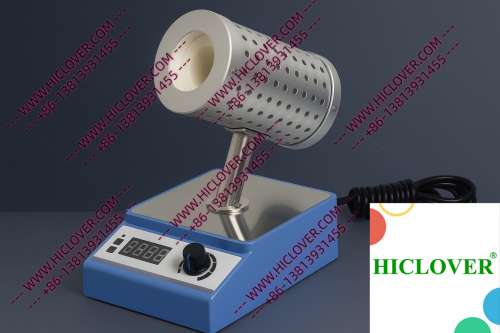
Infrared sterilization employs rapid thermal sterilization techniques through an enclosed ceramic tube. Unlike traditional flame sterilizers, which produce soot, smoke, and toxic fumes, the Micro Incinerator offers high-temperature disinfection without the associated hazards. This focus on cleanliness and safety makes it an ideal fit for biosafety cabinets.
The infrared heating technology targets the inoculating loops and tools directly, ensuring efficient and effective sterilization without open flames. This drastically reduces the chance of aerosol generation—an essential consideration for microbiological work.
Application Scenarios in Real Labs
Biosafety Cabinets
Biosafety cabinets provide controlled environments essential for procedures involving pathogens. Within these enclosures, the Micro Incinerator stands out for its safe, flame-free operation. Researchers conducting experiments in microbiology or molecular biology can effortlessly sterilize their tools between procedures, contributing to robust contamination control.
University Teaching Labs
In educational settings, where students are learning best practices in sterile techniques, the Micro Incinerator packs an educational punch. In labs where new scientists are introduced to microbial culture techniques, this sterilizer allows instructors to demonstrate safe sterilization practices without the risk of burns or fire hazards from flame sterilizers.
Compliance and Safety Standards
Adhering to global biosafety and lab sterilization standards is not just a regulatory requirement; it’s a commitment to safety. Organizations like the World Health Organization (WHO) have published guidelines regarding laboratory sterilization practices, emphasizing the importance of methods that minimize risk in clean rooms. The Micro Incinerator aligns with these standards by ensuring:
- No open flames in sensitive areas.
- Rapid sterilization with a focus on safety.
- Easy integration into biosafety cabinet environments.
Traditional sterilizers, like Bunsen burners and alcohol lamps, frequently compromise safety due to their open flame design. In contrast, the Micro Incinerator supports a safer laboratory, reducing hazards associated with fire and contamination—essential in clinical diagnostics and mobile/field testing labs.
Overview: Micro Incinerator vs. Traditional Flame Burners
| Feature | Micro Incinerator | Flame Burners |
|---|---|---|
| Heat Source | Infrared | Open Flame |
| Safety | Flame-free operation | Fire hazards present |
| Efficiency | Rapid thermal sterilization | Slower heating |
| Contamination Control | Aerosol-free | Possible aerosol generation |
FAQs about Micro Incinerators
What is a Micro Incinerator?
A Micro Incinerator is an advanced sterilization device utilizing infrared heat to sterilize inoculating loops and other tools rapidly and safely, without open flames.
How does infrared sterilization compare to traditional methods?
Infrared sterilization is faster, safer, and minimizes the risk of cross-contamination, making it superior to traditional flame-based methods.
Where can I use a Micro Incinerator?
Micro Incinerators are versatile and can be used in biosafety cabinets, clinical diagnostics labs, university teaching labs, and field testing scenarios.
Is it compliant with biosafety standards?
Yes, the Micro Incinerator meets international biosafety standards by eliminating open flames and ensuring clean environments, as recommended by WHO guidelines.
Are there any maintenance requirements?
Routine maintenance includes ensuring the ceramic heating chamber is clean and undamaged to maintain efficient operation, but overall maintenance is low compared to conventional flame sterilizers.
Conclusion
In Brisbane’s laboratory settings, adopting the Micro Incinerator not only enhances sterilization efficiency but also embraces a culture of safety and compliance. By choosing this innovative sterilization equipment, you are investing in an essential element of contamination control in today’s labs. For more information on how to incorporate the Micro Incinerator into your laboratory practice or to make a purchase, please contact us today!
Categories:
Tags: