
Today’s laboratories face significant biosafety challenges and sterilization workflow demands, accentuated by the need for pollution control and contamination management. Amidst these challenges, Micro Incinerators, particularly the Infrared Inoculating Loop Sterilizer, emerge as indispensable assets for modern laboratories. In this article, we delve into the technical innovations behind these sterilization devices, their practical applications within various lab environments, and the compliance of their operations with global biosafety standards.
Understanding Micro Incinerators: The Technical Principles
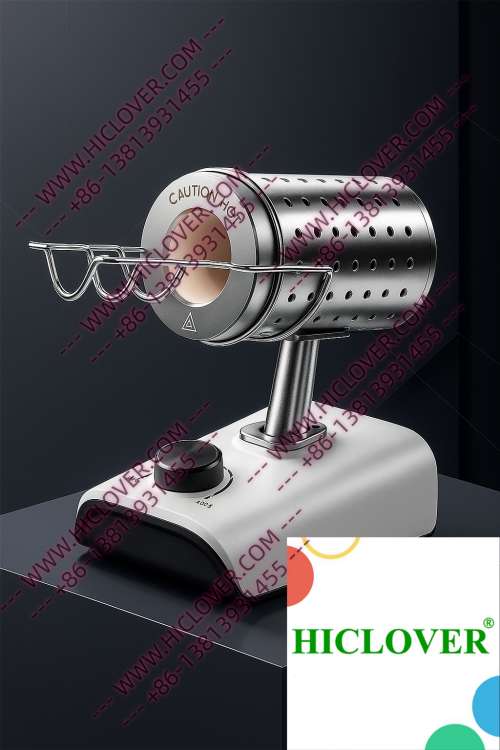
The Micro Incinerator operates based on rapid thermal sterilization using infrared heat, which facilitates high-temperature disinfection. At the core of this technology lies an enclosed ceramic heating chamber, which allows for uniform heat distribution. The infrared mechanism heats the inoculating loops or other tools to temperatures exceeding 800°C, effectively eliminating pathogens and ensuring thorough sterilization in mere moments.
This innovative design contrasts sharply with traditional flame methods, such as alcohol lamps and Bunsen burners, which can compromise sterile environments by producing aerosols and generating soot. The infrared sterilizer, being flame-free and aerosol-free, is essential for clean-bench-safe applications—all pivotal in sensitive environments like BSL-2 and BSL-3 microbiology labs.
Applications: Real-World Use Cases in Laboratories
1. University Teaching Labs
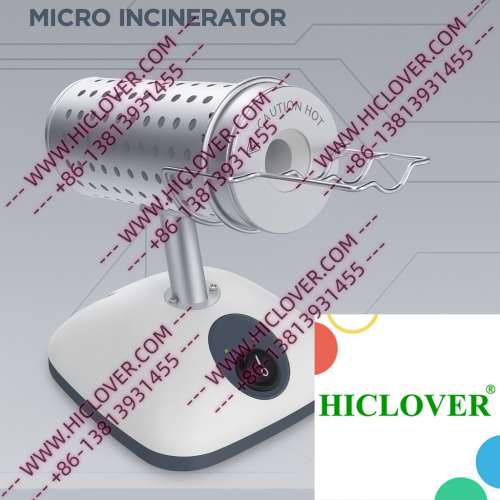
In educational institutions, particularly university teaching labs, where multiple students engage in microbiological experimentation, maintaining sterility is crucial. The Micro Incinerator effectively sterilizes inoculating loops between uses, enhancing the educational workflow while minimizing the risk of cross-contamination.
- Quick sterilization times allow for a smooth and efficient lab experience.
- Elimination of flame hazards contributes to a safer learning environment.
- Compact size fits well on lab benches, promoting optimal use of valuable laboratory space.
2. Field Testing Laboratories
Field testing laboratories often demand rapid response and adaptability, and the Micro Incinerator is perfectly suited to such environments. For instance, during field studies involving environmental microbiology, researchers can utilize the infrared sterilizer directly at the site, ensuring that equipment remains sterile while minimizing transport risks associated with traditional gas burners.
- Robust construction ensures reliable performance in varied settings.
- Portability allows scientists to set up efficient sterilization protocols outdoors or in less controlled environments.
Compliance and Environmental Considerations
Ensuring compliance with the World Health Organization (WHO) biosafety guidelines is a primary concern for all laboratories.A micro incinerator adheres to several critical lab sterilization standards, reducing risks associated with flame usage in clean rooms. Adopting such advanced sterilization technology aligns laboratories with international biosafety practices, including:
- Eliminating open flames to reduce fire hazards in clean environments.
- Minimizing the release of harmful aerosols into the lab atmosphere.
- Improving waste management via efficient decontamination measures.
Benefits of Micro Incinerators Versus Traditional Solutions
When evaluating sterilization equipment, it is essential to consider the advantages of Micro Incinerators over traditional flame burners:
| Feature | Micro Incinerator | Flame Burners |
|---|---|---|
| Safety | Flame-free; reduces fire hazards | Open flames; higher risk of accidents |
| Aerosol Control | Aerosol-free handling | Can create hazardous aerosols |
| Heat Efficiency | Rapid sterilization | Slower, uneven heat distribution |
| Portability | Compact and lightweight | Generally bulkier |
FAQs About Micro Incinerators
What is a Micro Incinerator used for?
A Micro Incinerator is used for rapid thermal sterilization of laboratory equipment, particularly inoculating loops, ensuring immediate disinfection to prevent contamination.
How does the Infrared Inoculating Loop Sterilizer work?
The Infrared Inoculating Loop Sterilizer uses infrared technology to quickly heat tools to high temperatures, effectively destroying biological contaminants.
Are Micro Incinerators compliant with international standards?
Yes, Micro Incinerators meet WHO biosafety standards and other international sterilization guidelines, making them suitable for use in clean-room environments.
Can I use a Micro Incinerator in a field testing lab?
Absolutely! Micro Incinerators are portable and designed for use in various settings, including field testing labs.
How does a Micro Incinerator improve lab workflow?
By providing immediate sterilization without the hazards of open flames, Micro Incinerators streamline the lab workflow, allowing for faster and safer operations.
Conclusion
In the era of stringent biosafety protocols, Micro Incinerators, particularly Infrared Inoculating Loop Sterilizers, have proven to be transformative tools for laboratories seeking to enhance their sterilization capabilities and work environment. Their technical advantages, versatility in applications, and adherence to compliance standards underscore their significance in maintaining clean laboratory settings. Enhance your laboratory’s efficiency and safety today—consider investing in a Micro Incinerator. Contact us to learn more or schedule a demonstration to see the benefits firsthand!
Categories:
Tags: