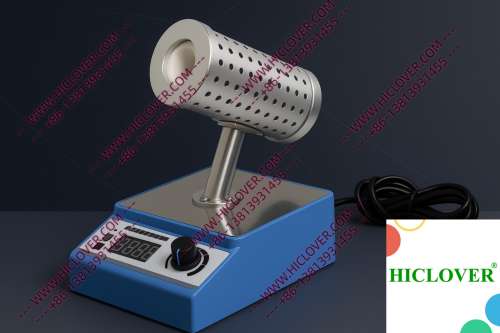
The increasing volume of medical waste generated in hospitals presents significant biosafety challenges. Laboratories face the constant demand for effective sterilization methods, particularly as the focus shifts towards minimizing contamination and ensuring safe laboratory environments. Among innovative solutions, the Micro Incinerator, or Infrared Inoculating Loop Sterilizer, stands out as a pivotal tool in meeting these sterilization demands while adhering to stringent safety protocols.
Understanding the Technical Principles of Micro Incinerators
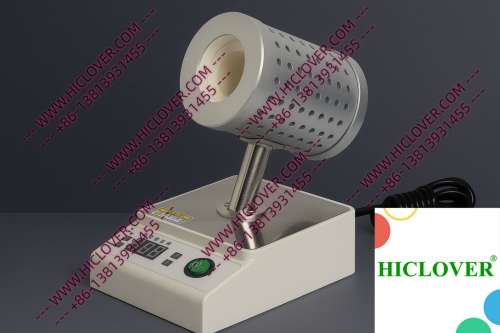
The Micro Incinerator utilizes the principle of infrared heat to achieve rapid thermal sterilization of inoculating loops and other small laboratory instruments. The device comprises an enclosed ceramic heating chamber, which generates intense heat quickly, typically reaching temperatures of over 800°C. This allows for the effective incineration of pathogens and biological materials, ensuring that tools are free from contaminants before use.
Unlike traditional flame sterilizers such as alcohol lamps or Bunsen burners, which can produce aerosols and may contribute to environmental contamination, the Micro Incinerator offers a clean and safe operational profile. The absence of an open flame makes it suitable for use in clean rooms and biosafety cabinets (BSCs), which are critical settings for laboratories, especially those handling BSL-2 and BSL-3 microorganisms.
Advantages Over Traditional Flame Sterilizers
| Features | Micro Incinerator | Flame Sterilizers |
|---|---|---|
| Heat Generation | Infrared, enclosed chamber | Open flame |
| Safety | No flame, aerosol-free | Risk of fire, aerosol generation |
| Efficiency | Rapid thermal sterilization | Slower, requires flame adjustment |
| Usability | Compact, portable | Requires a stable base, ongoing adjustments |
Application Scenarios in Real Labs
1. Biosafety Cabinet Operations
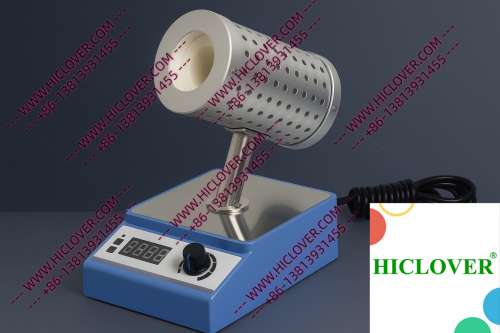
In a BSL-2 environment, researchers frequently rely on the Micro Incinerator as an essential component of their workflow. It enables the contamination control of tools used in sterile cultures without exposing the environment to unpredictable flame hazards. The immediacy of sterilization allows for higher throughput in assays and experiments, critical for ongoing research.
2. Teaching Labs in Universities
Laboratory education in universities often emphasizes best practices in biosafety. The Micro Incinerator serves as an ideal teaching tool for students learning about microbial handling and sterilization techniques. Its user-friendly interface allows for hands-on experience with safety protocols while ensuring compliance with strict sterilization standards.
Compliance and Environment Considerations
Compliance with international biosafety standards is paramount in laboratory operations. Institutions must adhere to the WHO’s biosafety guidelines, which mandate effective sterilization methods that minimize the risk of pathogen transmission. The Micro Incinerator’s design, which eliminates open flames, is compliant with regulations set forth in labs that require no open flame in cleanroom environments.
Moreover, using the Micro Incinerator aligns with environmental sustainability initiatives, as it lowers the potential for hazardous waste generation compared to more traditional sterilization methods.
FAQs About Micro Incinerators
- What types of laboratory environments benefit from using a Micro Incinerator?
Biosafety cabinets, teaching labs, and field testing labs are all ideal settings for a Micro Incinerator.
- How fast can a Micro Incinerator sterilize instruments?
The sterilization process is incredibly rapid, often taking just a few seconds to reach sufficient temperatures for effective disinfection.
- Is the Micro Incinerator environmentally friendly?
Yes, it reduces aerosol generation and is designed to minimize waste, making it a greener option compared to traditional flame sterilizers.
- Can the Micro Incinerator be used in field testing labs?
Absolutely, its compact size and ability to deliver high-temperature sterilization make it suitable for mobile laboratory setups.
- How does the Micro Incinerator contribute to laboratory safety?
By eliminating open flames, it greatly reduces the risk of accidents and contamination, maintaining a safer working environment.
Conclusion
The Micro Incinerator, specifically designed for rapid thermal sterilization, emerges as a game-changer in the landscape of laboratory sterilization equipment. Its deployment in various settings—from hospitals to educational institutions—highlights its versatility and effectiveness in tackling the medical waste crisis. Adopting this technology is not just about improving sterilization workflows; it is also a commitment to enhancing safety and compliance within laboratory environments.
For those seeking to bolster their laboratory capacity with cutting-edge sterilization technology, we invite you to reach out. Investing in a Micro Incinerator today equips your facility to meet tomorrow’s challenges.