
In today’s fast-paced laboratory environment, ensuring biosafety and effective sterilization is more crucial than ever. Traditional methods with flame sterilizers, such as Bunsen burners and alcohol lamps, are proving insufficient due to their inherent risks, which include open flames and aerosol production. This challenge prompts a pressing need for innovative sterilization solutions in clinical diagnostics, BSL-2, and BSL-3 microbiology labs, as well as university teaching labs and even mobile field testing.
Technical Principle of Compact Sterilizers
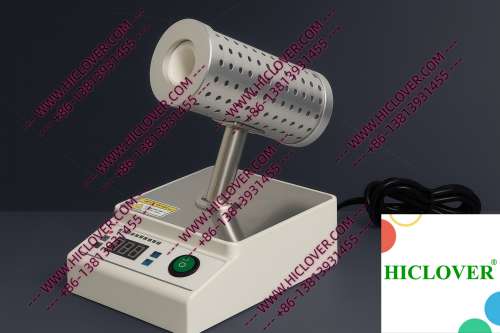
Among these innovative solutions is the Micro Incinerator or Infrared Inoculating Loop Sterilizer. This advanced piece of laboratory sterilization equipment operates using a unique principle of infrared heat generated in an enclosed ceramic tube. When heated, the ceramic chamber reaches temperatures high enough to rapidly sterilize metal inoculating loops, ensuring effective contamination control without the risks associated with traditional flames.
The design enhances safety through its compact size, ideal for every bench space across laboratories. Moreover, it guarantees quick turnover times for sterilization, making it an efficient addition to lab workflows. The absence of an open flame significantly reduces the risk of fire hazards and ensures clean-bench-safe operations, crucial in sensitive environments
Application Scenarios in Real Labs
Scenario 1: BSL-2 Microbiology Laboratory
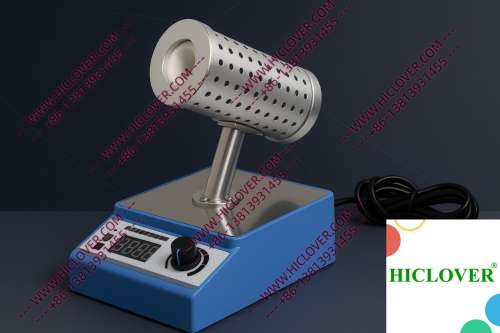
In a BSL-2 microbiology lab like those found in hospitals in London or New York, accuracy and rapid thermal sterilization come to the forefront. The use of the Micro Incinerator enables staff to maintain strict biosafety standards while minimizing the risk of cross-contamination. Its compact form fits comfortably into a biosafety cabinet, allowing researchers to safely and efficiently sterilize equipment such as inoculating loops between samples. This level of control is instrumental in labs where pathogen handling is routine, allowing researchers to focus on their investigative work without interruption.
Scenario 2: Educational Teaching Labs
In academic settings, such as universities in Melbourne or Toronto, the importance of teaching lab safety cannot be overstated. The infrared inoculating loop sterilizer presents itself as a perfect learning tool for students. Educators can demonstrate proper sterilization techniques while using a safe, quick method of disinfection. By enhancing student experiences with hands-on practices in sterile procedures, the Micro Incinerator ensures that new generations of scientists understand the critical aspects of biosafety standards.
Compliance Standards and Safety Considerations
Adhering to sterilization standards is non-negotiable for laboratory environments, particularly those governed by WHO biosafety regulations. The Micro Incinerator’s design is an exemplary fit for compliance with stringent laboratory sterilization requirements, including those around flame usage in clean rooms. Using this device ensures that laboratories avoid flame hazards while maintaining optimal levels of air quality and safety.
Furthermore, it minimizes the production of aerosols associated with flame sterilization, which is critical in minimizing the risk of airborne contamination — a significant concern for both clinical diagnostics and field testing laboratories in countries such as India and Brazil.
Comparative Assessment: Micro Incinerator vs. Traditional Flame Burners
| Features | Micro Incinerator | Flame Burners |
|---|---|---|
| Safety | No open flame, reduced fire risk | Open flame, potential ignition hazards |
| Efficiency | Instant heating, quick sterilization | Heat variability, slower response times |
| Contamination Control | Aerosol-free operation | Possible aerosol generation |
| Space Requirements | Compact bench-friendly design | Requires more clearance for usage |
| Ease of Use | User-friendly controls | Potential learning curve for proper lighting |
Frequently Asked Questions
- What is the typical sterilization time for the Micro Incinerator? The device can sterilize inoculating loops in seconds, improving lab throughput significantly.
- Can this device be used in a BSL-3 environment? Yes, the Micro Incinerator is compliant with safety standards suitable for BSL-3 labs.
- How does infrared technology compare to traditional sterilization methods? Infrared technology provides enhanced safety and efficiency by eliminating the risks associated with flames.
- Is it suitable for field testing applications? Absolutely! Its compact design makes it a versatile tool for lab setups in field testing scenarios.
- How do I maintain a Micro Incinerator? Regular cleaning of the ceramic tube and periodic checks of the heating element ensure optimal performance.
Conclusion: Embrace the Future of Laboratory Safety
As safety and efficiency remain paramount in laboratory environments, the introduction of compact sterilizers like the Micro Incinerator signifies a monumental shift in sterilization practices. By eliminating the risks associated with traditional flame sterilizers and providing rapid thermal sterilization, laboratories can enhance their workflows and ensure the highest standards of biosafety.
As you explore the future of lab safety, consider integrating a Micro Incinerator into your sterilization process. For inquiries or to discuss purchasing options, please don’t hesitate to reach out to our dedicated team of experts.
Categories:
Tags: