
Laboratories, whether in clinical diagnostics, research institutions, or university teaching environments, are often on the front line of ensuring biosafety and contamination control. Daily workflows demand effective sterilization techniques that minimize risk while maintaining efficiency. As laboratory needs evolve, so too does the technology designed to meet these challenges. Among the innovations leading this charge is the Micro Incinerator or Infrared Inoculating Loop Sterilizer—a game-changing solution that addresses the traditional limitations of flame-based sterilization methods.
Challenges in Laboratory Biosafety
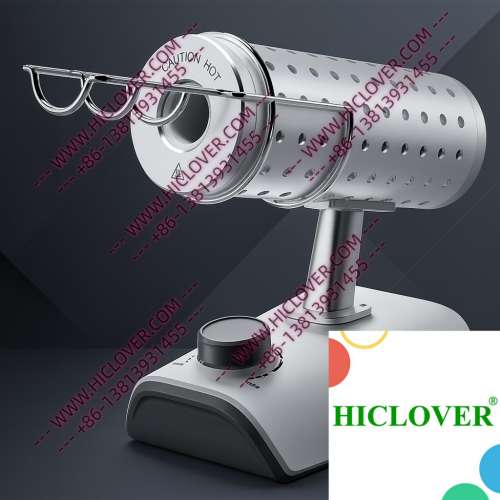
Many laboratory professionals face significant obstacles when it comes to sterilization. Conventional flame sterilizers, such as alcohol lamps and Bunsen burners, while widely used, present several key issues: they require open flames, which pose risks of burns or fire hazards, and can create aerosols that may lead to contamination. Furthermore, they often lack the precision needed for rapid thermal sterilization of inoculating loops and other delicate microbiological tools. Thus, the need for an advanced solution like the Micro Incinerator becomes evident.
The Micro Incinerator: Technical Principles
The Micro Incinerator operates on the principle of infrared high-temperature disinfection. Utilizing an enclosed ceramic heating chamber, it generates intense infrared heat quickly and efficiently. This technology not only allows for rapid sterilization but also ensures that tools are sanitized without the production of aerosols or harmful emissions, making it a cleaner option compared to traditional methods.
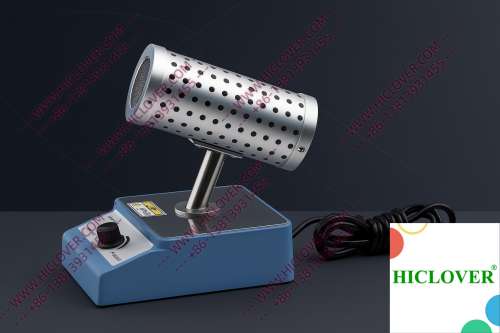
The device’s configuration features a user-friendly design, often including a compact structure that leads to easy integration into various lab environments. Its powerful ceramic heating element reaches optimal temperatures in seconds, making the sterilization process not just effective, but also time-efficient—a crucial factor in busy laboratory settings.
Applications in Real-Life Laboratory Scenarios
Understanding the practical applications of the Micro Incinerator can further illustrate its value in laboratory settings. Here are two key scenarios:
- Biosafety Cabinet Implementations: In BSL-2 and BSL-3 microbiology labs, the Micro Incinerator can be used within biosafety cabinets, ensuring that tools are sterilized without compromising the sterile environment. This integrated approach allows researchers to confidently handle biological materials while safeguarding against cross-contamination.
For mobile or field testing labs, particularly in remote locations, the lightweight design and portability of the Micro Incinerator provide a reliable source of sterilization away from traditional laboratory infrastructure. This ensures that sample integrity is maintained during collection and analysis in diverse environments.
Compliance and Environmental Considerations
Adhering to biosafety standards is paramount in laboratory environments. The WHO and various national health organizations outline clear guidelines regarding aerosol risks and contamination control in laboratory settings. Traditional flame sterilizers, while effective, may violate clean-room regulations due to soot and emissions. In contrast, the Micro Incinerator aligns with contemporary lab sterilization standards, allowing for efficient sterilization without open flames—an essential feature for labs that require stringent environmental controls.
Comparison Table: Micro Incinerator vs. Flame Burners
| Feature | Micro Incinerator | Flame Burners |
|---|---|---|
| Heating Method | Infrared | Open Flame |
| Safety | Low Risk of Burns | High Risk of Burns and Fire |
| Environmental Impact | Aerosol-Free | Aerosol Production |
| Heating Time | Seconds | Dependent on Flame |
| Portability | High | Moderate |
FAQs About Micro Incinerators
- What is the typical heating time for a Micro Incinerator?
The Micro Incinerator heats up in seconds, significantly reducing sterilization time. - Can a Micro Incinerator be used in a BSL-3 lab?
Yes, its aerosol-free handling capabilities make it ideal for BSL-3 applications. - How does the Micro Incinerator compare to traditional flame sterilizers in terms of safety?
Micro Incinerators pose a lower risk of burns and fire hazards compared to open flame methods. - Is the Micro Incinerator compliant with WHO biosafety standards?
Yes, it meets various laboratory sterilization standards and is designed for biosafety compliance. - What types of lab settings can benefit from a Micro Incinerator?
It is beneficial in BSL-2/BSL-3 labs, clinical diagnostics, and educational institutions.
Conclusion
As laboratories strive for higher efficiency and enhanced safety standards, innovations like the Micro Incinerator or Infrared Inoculating Loop Sterilizer offer unmatched advantages over traditional flame methods. With its rapid thermal sterilization capabilities, aerosol-free operation, and easy integration into diverse laboratory environments, this technology is transforming biosafety workstation practices.
To learn more about how the Micro Incinerator can elevate your laboratory sterilization processes, or to place an order, please contact us today!
Categories:
Tags: