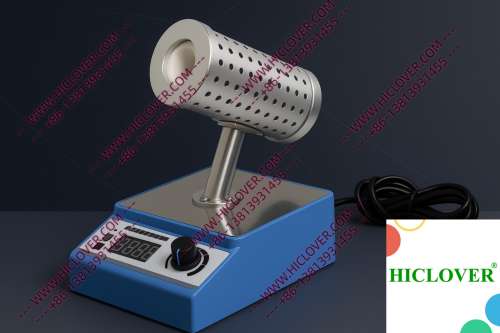
In the rapidly evolving field of laboratory science, maintaining strict biosafety measures while optimizing workflow efficiency is a pressing challenge. With increasing demands for contamination control, laboratory personnel must navigate the complexities of sterilization techniques to ensure safe and sterile environments, particularly in sensitive areas such as BSL-2 and BSL-3 microbiology labs. Among the most reputable methods for achieving optimum sterilization are Micro Incinerators and Infrared Inoculating Loop Sterilizers, which have revolutionized laboratory practices by offering highly effective alternatives to traditional flame-based sterilization.
Understanding Sterilization Principles
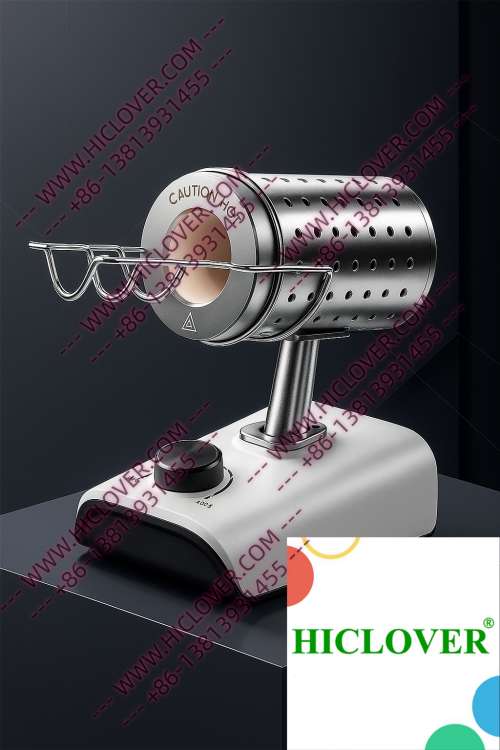
Micro Incinerators operate based on the principle of infrared heat, utilizing an enclosed ceramic tube that reaches high temperatures to rapidly sterilize inoculating loops and other laboratory tools. Unlike Bunsen burners or alcohol lamps, which pose risks related to open flames, the infrared sterilizer offers a clean-bench-safe operation, significantly reducing the potential for aerosol contamination. The enclosed chamber design prevents the release of contaminants into the sterile environment, making it ideal for use in laminar flow cabinets.
Advantages Over Traditional Flame Sterilizers
When comparing Micro Incinerators with traditional flame sterilizers, numerous advantages emerge:
- Safety: No open flames, minimizing fire hazards and ensuring compliance with local safety regulations.
- Efficiency: Significantly faster heating times lead to rapid thermal sterilization with minimal waiting periods.
- Consistency: Infrared technology provides uniform heat, ensuring that sterilization is effective every time.
- Ease of Use: Simple operation allows laboratory staff to focus on other critical tasks with minimal training required.
- What is the sterilization principle behind Micro Incinerators?
Micro Incinerators utilize infrared heat within an enclosed ceramic tube to achieve rapid thermal sterilization, eliminating microbes effectively without the use of flames. - How does the use of a Micro Incinerator improve laboratory safety?
By eliminating open flames, Micro Incinerators greatly reduce fire risks and aerosol generation, contributing to a safer laboratory environment. - Are there specific labs that benefit most from using Micro Incinerators?
Yes, BSL-2 and BSL-3 labs, as well as teaching laboratories, particularly experience enhanced safety and workflow efficiency by employing these sterilization devices. - How do Micro Incinerators comply with biosafety standards?
These devices adhere to biosafety regulations by minimizing contamination risks and providing reliable sterilization without exposing the environment to harmful fumes or open flames. - What are the maintenance requirements for an Infrared Inoculating Loop Sterilizer?
Regular maintenance involves keeping the device clean and ensuring that the ceramic heating elements are intact to maintain performance efficiency.
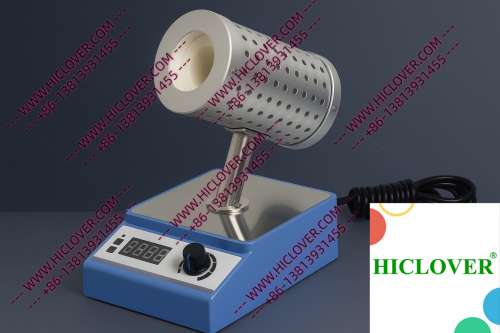
Application Scenarios in Real Labs
1. Biosafety Cabinets
In BSL-2 laboratories, where pathogens pose a moderate health risk, the use of Micro Incinerators in biosafety cabinets is an industry standard. The capability to achieve high-temperature disinfection without creating aerosols allows researchers to work safely with pathogens while ensuring that the laminar airflow within the cabinet remains undisturbed. This setup not only meets the necessary biosafety requirements but also optimizes the workflow by decreasing processing times.
2. Teaching Labs
In university teaching labs, where students are often unfamiliar with the risks of open flames, the introduction of Infrared Inoculating Loop Sterilizers fosters a safer learning environment. Students can efficiently sterilize their tools without the distractions and dangers associated with flame sterilization. This method enhances their understanding of sterilization while promoting compliance with biosafety protocols.
Compliance and Environmental Considerations
Laboratories across the globe are mandated to meet specific biosafety standards set forth by authoritative bodies such as the WHO and National Institute of Health. These standards advocate for the use of sterilization techniques that minimize risks during operations. The transition from flame sterilizers to Micro Incinerators has not only led to increased compliance but has also reduced the carbon footprint of laboratories that rely on electricity rather than gas for operations.
Moreover, using infrared sterilization techniques aligns with cleanroom requirements, where flame use is restricted due to potential contamination and safety concerns.
FAQs
Comparison of Sterilization Technologies
| Feature | Micro Incinerator | Traditional Flame Sterilizer |
|---|---|---|
| Operational Safety | No open flames, safer to operate | Open flames, higher risk |
| Heating Speed | Rapid heating, immediate use | Longer to heat up |
| Contamination Control | Minimized aerosol generation | Higher risk of contamination |
| Environmental Impact | Electric-powered, lower carbon footprint | Gas-powered, higher emissions |
Conclusion
With the myriad of pressures and complexities surrounding laboratory sterilization, transitioning to modern Micro Incinerators and Infrared Inoculating Loop Sterilizers represents not just an upgrade in compliance, but a significant enhancement in workflow efficiency and safety. For laboratories looking to optimize their sterilization processes and maintain the highest biosafety standards, these products are indispensable. Embrace the future of laboratory sterilization—contact us today to learn more about our cutting-edge solutions!
Categories:
Tags: