
As the demand for effective waste management intensifies, especially in the laboratory environment, practical challenges surfaced concerning biosafety and sterilization workflows. Traditional methods, such as alcohol lamps and Bunsen burners, often pose hazards that can compromise laboratory safety and contaminate samples. Enter the Micro Incinerator, a revolutionary appliance that redefines sterilization by leveraging infrared technology for rapid thermal sterilization. This article will explore the technical principles behind micro incinerators, their applications in various laboratory settings, compliance with global standards, and the implications for waste management in France.
Understanding the Technical Principles of Micro Incinerators
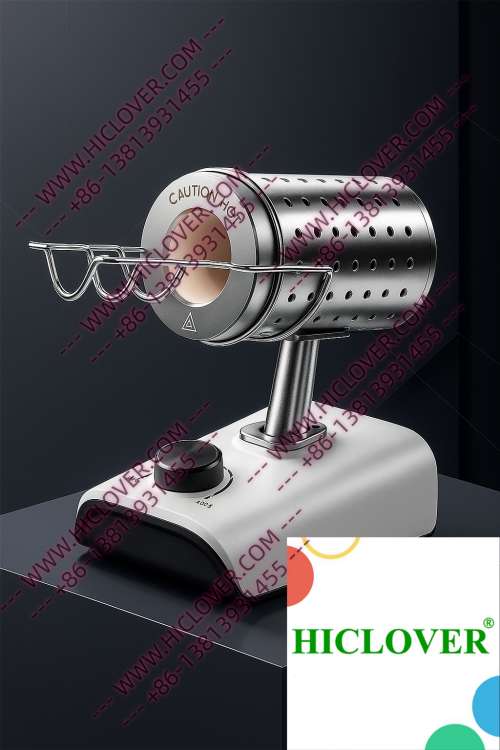
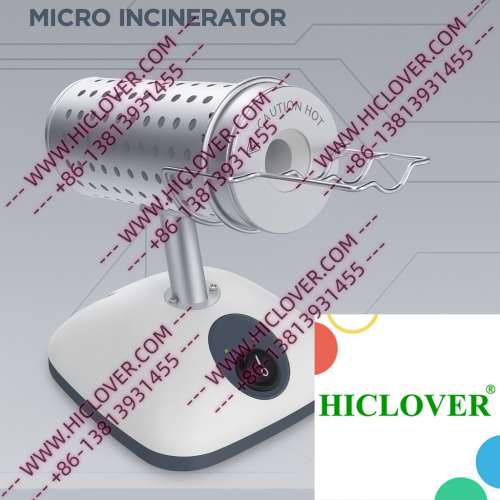
The Micro Incinerator utilizes infrared heat to sterilize inoculating loops and other lab accessories effectively. The core of this device features an enclosed ceramic tube that houses its heating element. This design allows for precise temperature control and quick thermal disinfection, ensuring rapid sterilization without the risk of flame or excessive aerosol generation.
Infrared high-temperature disinfection offers distinct advantages over traditional flame sterilizers. With no open flame to contend with, the risks associated with burns and ignition of flammable materials are significantly reduced. Furthermore, the enclosed chamber minimizes the spread of aerosols and particulates during the sterilization process, making it clean-bench-safe for various laboratory environments.
Application Scenarios for Micro Incinerators
- Biosafety Cabinets: In BSL-2 and BSL-3 microbiology labs, micro incinerators are essential for contamination control. They provide a reliable means of sterilizing inoculating loops without compromising the sterile environment.
- Field Testing: For mobile or field testing labs, the portability of micro incinerators makes them invaluable. They can sterilize tools quickly on-site, facilitating timely analysis without the need for bulky equipment.
- Teaching Labs: In university settings, micro incinerators serve as an educational tool for students learning lab safety and sterilization techniques. Their straightforward operation makes them an excellent choice for teaching proper biosafety measures.
Compliance and Environmental Considerations
Adhering to biosafety regulations is critical for laboratory operations. Organizations such as the World Health Organization (WHO) issue guidelines around lab sterilization standards that mandate the use of safe and effective technologies. The absence of open flames in cleanrooms is a significant requirement for maintaining sterile conditions and preventing contamination. Micro incinerators are compliant with various biosafety regulations, helping laboratories meet stringent standards while ensuring safe operational environments.
Comparison of Micro Incinerators vs. Traditional Flame Sterilizers
| Feature | Micro Incinerator | Flame Sterilizers |
|---|---|---|
| Heat Source | Infrared heat | Open flame |
| Risk of Fire | No | High |
| Aerosol Generation | Minimal | High |
| Ease of Use | Simple, direct | Requires technique |
| Operational Cost | Low | Moderate-High (fuel costs) |
Frequently Asked Questions (FAQs)
What is a Micro Incinerator?
A Micro Incinerator is a laboratory sterilization device that uses infrared heat to quickly and effectively sterilize inoculating loops and other lab equipment without the risks associated with flames.
How does it differ from traditional flame sterilizers?
Micro Incinerators eliminate the hazards of open flames, minimize aerosol production, and offer greater efficiency in sterilizing tools, making them a safer and more favorable option in various laboratory settings.
Are Micro Incinerators compliant with WHO standards?
Yes, Micro Incinerators meet WHO biosafety regulations and sterilization standards, making them suitable for use in BSL-2 and BSL-3 laboratories as well as cleanroom environments.
Can they be used in teaching labs?
Absolutely! Micro Incinerators are ideal for educational settings as they provide a safe and effective method for teaching students about sterilization and contamination control without the risks associated with flame use.
What are the environmental impacts of using Micro Incinerators?
Micro Incinerators have a lower environmental impact compared to flame sterilizers as they do not produce combustion byproducts or pose fire risks, making them a cleaner and more energy-efficient option for laboratory sterilization.
Conclusion: Looking Ahead
As France and the global community strive for improved waste management techniques, particularly in high-stakes environments such as laboratories, the adoption of Micro Incinerators stands out. Their ability to provide rapid, safe, and reliable sterilization positions them as a key tool in effective biosafety and contamination control.
If your laboratory is ready to elevate its sterilization protocols while ensuring compliance with stringent biosafety regulations, consider investing in a Micro Incinerator today. Contact us to learn more about our offerings and how we can assist in enhancing your lab’s efficiency and safety.
Categories:
Tags: