
In today’s biotechnological landscape, laboratories are facing increasing biosafety challenges that demand stringent compliance with regulatory standards. Effective laboratory sterilization is crucial, especially in environments that handle pathogenic microorganisms. The necessity for advanced sterilization methods has given rise to innovative solutions like the Micro Incinerator, also known as the Infrared Inoculating Loop Sterilizer. This device is designed to meet the rigorous demands of both laboratory workflows and biosafety standards.
Technical Principles of Infrared Heat Sterilization
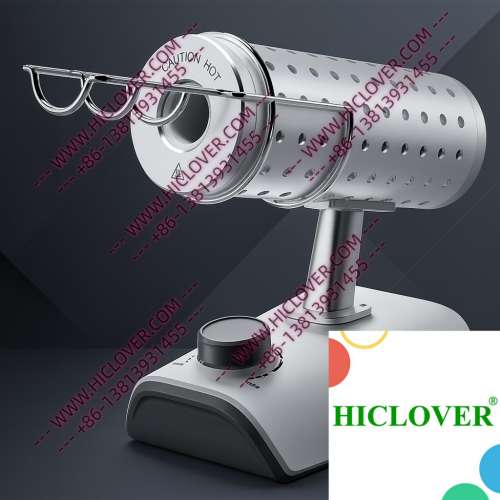
The Micro Incinerator employs a unique approach to thermal sterilization through infrared radiation, utilizing an enclosed ceramic tube for rapid thermal disinfection. Unlike traditional flame sterilizers, such as alcohol lamps or Bunsen burners, this method allows for precise temperature control, minimizing the risk of sample contamination while ensuring efficient sterilization.
Infrared heat generates instantaneous temperatures that can exceed 800°C, effectively eradication of bacterial spores within seconds. This rapid thermal sterilization process not only ensures optimal contamination control but also promotes a safer working environment within the laboratory by eliminating open flames.
Application Scenarios in Real Laboratories
1. BSL-2 and BSL-3 Microbiology Labs
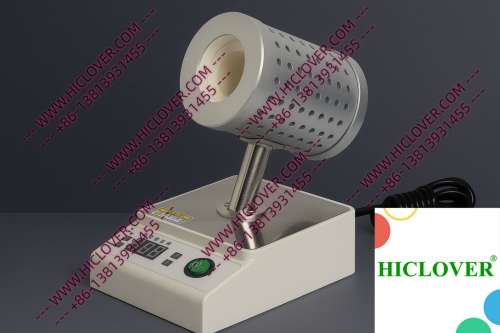
In BSL-2 and BSL-3 laboratories, where work involves handling moderate to high-risk pathogens, the risk of contamination is heightened. Here, the Micro Incinerator finds its primary application. It can be seamlessly integrated into biosafety cabinets, allowing researchers to quickly sterilize inoculation loops without the risk of aerosol generation, thus safeguarding personnel and the surrounding environment. The ability to achieve rapid sterilization means that researchers can maintain workflow efficiency while adhering to strict biosafety guidelines.
2. University Teaching Labs
In academic settings, student safety is paramount. The adoption of Infrared Inoculating Loop Sterilizers in university teaching labs enhances the student experience by providing a safer alternative to traditional flame-based sterilization methods. With its clean-bench-safe design, students can perform inoculations and adjustments freely without exposure to open flames, reducing the risk of accidents. The compact size and ease of use make it an ideal choice for educators aiming to instill proper sterilization techniques in future scientists.
Compliance and Regulatory Standards
Compliance with international and national biosafety standards is imperative in laboratory settings. The World Health Organization (WHO) provides guidelines, emphasizing the importance of effective sterilization processes in managing biosafety hazards. Furthermore, the German Medical Devices Act regulates the use of sterilization devices, ensuring that all laboratory equipment, including Micro Incinerators, meet high safety and quality standards.
Key considerations include:
- Adherence to the ISO 9001 and ISO 13485 standards for quality management systems.
- Compliance with the European Union’s Medical Device Regulation (MDR).
- The necessity for no flame in clean rooms, where aerosol-free handling is critical to maintaining air quality.
Micro Incinerator vs. Flame Burners: A Comparison
| Feature | Micro Incinerator | Flame Burners |
|---|---|---|
| Temperature Control | Precise and adjustable | Variable and less controllable |
| Safety | No open flame | Open flame presents risks |
| Contamination Control | Minimal risk | Potential aerosol generation |
| Ease of Use | Quick and intuitive | Requires skill to operate |
| Compliance | Meets modern biosafety standards | May not comply with some regulations |
FAQs About Infrared Inoculating Loop Sterilizers
1. How does the Micro Incinerator improve laboratory safety?
By eliminating open flames, the Micro Incinerator significantly reduces the risk of fire hazards and contamination, making it ideal for BSL-2 and BSL-3 environments.
2. Can the Micro Incinerator be used in a cleanroom setting?
Yes, it is designed for cleanroom applications, ensuring no flame for aerosol-free handling.
3. What are the advantages of using infrared sterilization over traditional methods?
Infrared sterilization offers rapid disinfection, better temperature control, and enhanced safety compared to traditional flame methods.
4. Is training required to use the Micro Incinerator effectively?
While it is user-friendly, training is recommended to ensure compliance and best practices in sterilization techniques.
5. What compliance standards should laboratories be aware of when using loop sterilizers?
Laboratories should be familiar with ISO 9001, ISO 13485, and the European MDR regarding the usage of sterilization devices.
Conclusion
As laboratories continue to adapt to evolving biosafety standards, the Micro Incinerator / Infrared Inoculating Loop Sterilizer stands out as an essential tool for achieving regulatory compliance while enhancing laboratory workflows. Its combination of safety, efficiency, and adherence to guidelines makes it an invaluable asset in any laboratory setting. For those interested in upgrading their sterilization devices or learning more about the benefits of infrared technology, we encourage you to reach out for further information or to explore purchasing options tailored to your laboratory needs.
Categories:
Tags: