
In modern laboratories, especially within India’s bustling healthcare landscape, achieving optimal biosafety standards while efficiently managing sterilization workflows is paramount. As biosafety concerns rise and laboratory protocols become increasingly stringent, the choice of sterilization equipment plays a critical role in maintaining contamination control. The Micro Incinerator / Infrared Inoculating Loop Sterilizer has emerged as an essential tool, addressing the various challenges faced by laboratories, medical facilities, and educational institutions.
Understanding the Technical Principles
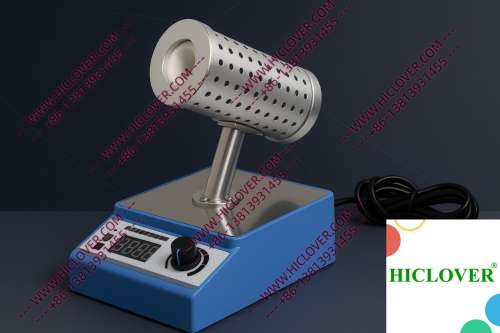
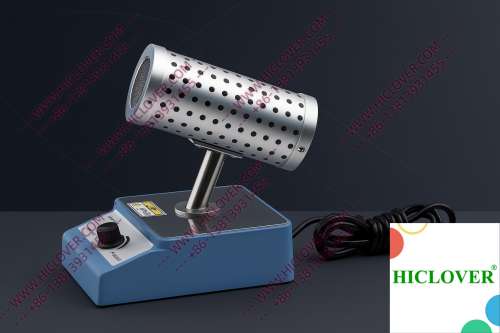
The Micro Incinerator operates on the principle of rapid thermal sterilization. Utilizing infrared radiation, this device provides precise, high-temperature disinfection of inoculating loops, needles, and other laboratory instruments. The enclosed ceramic heating chamber generates an even distribution of heat, eliminating dead zones and minimizing the risk of incomplete sterilization. This differentiates it significantly from traditional flame sterilizers, such as alcohol lamps and Bunsen burners, which are less efficient, pose fire hazards, and can introduce contaminants into the sterile area.
Application Scenarios
-
Biosafety Cabinets
In BSL-2 and BSL-3 microbiology labs, the use of a Micro Incinerator is crucial for performing safe and effective sterilization of inoculating loops used for culturing microorganisms. These devices ensure aerosol-free handling, protecting both the researcher and the samples. The portability and compact design allow easy integration within biosafety cabinets, streamlining workflows and enhancing safety protocols.
-
Field Testing
In mobile or field testing scenarios, where traditional flame sources may be impractical or pose safety risks, the Micro Incinerator proves invaluable. Researchers conducting environmental studies or clinical diagnostics in remote locations can rely on this efficient sterilizer for the effective decontamination of instruments. With its compact form and fast operation, the Micro Incinerator enables scientists to adhere to safety standards while delivering accurate results in the field.
Compliance and Environmental Considerations
Compliance with global biosafety standards is crucial for laboratories aiming to ensure the safety of their operations. The World Health Organization (WHO) has laid down guidelines that emphasize safe handling and disposal of laboratory materials to prevent cross-contamination and ensure the protection of lab personnel. By incorporating a Micro Incinerator into their sterilization processes, facilities can maintain compliance with these regulations, reducing risks associated with flame sterilizers, such as the introduction of aerosols and flammable materials. Furthermore, the absence of an open flame makes the Micro Incinerator safe for use in clean rooms and locations like CO2 incubators or anaerobic chambers, minimizing contamination risk.
Key Advantages Over Traditional Flame Sterilizers
The advantages of using a Micro Incinerator over traditional flame sterilizers are substantial:
- Rapid thermal sterilization reduces time spent on preparation.
- Minimized risk of contamination through aerosol-free handling.
- Enhanced safety with no open flames, reducing fire hazards.
- Effective sterilization within enclosed environments, such as biosafety cabinets.
Comparison Table: Micro Incinerator vs. Flame Burners
| Feature | Micro Incinerator | Flame Burners |
|---|---|---|
| Operational Safety | No open flame | Open flame, fire hazard |
| Efficiency | Fast sterilization | Slower, variable heat |
| Contamination Risk | Minimal aerosol generation | Aerosol and soot generation |
| Portability | Compact and mobile | Bulky and less versatile |
| Clean Room Compatibility | Approved for clean environments | Not suitable |
Frequently Asked Questions
1. What is the primary advantage of using a Micro Incinerator?
The primary advantage lies in its rapid thermal sterilization capabilities, which provide efficient, safe, and effective decontamination without the risks associated with open flames.
2. Can the Micro Incinerator be used in both laboratory and field settings?
Yes, its compact design and efficient operation make it suitable for use in laboratories, biosafety cabinets, and remote field testing environments.
3. How does the efficacy of a Micro Incinerator compare to traditional methods?
Micro Incinerators provide superior thermal consistency and drastically reduce the risks associated with aerosol generation, making them more efficient than traditional flame-based methods.
4. Is the Micro Incinerator compliant with WHO biosafety standards?
Yes, the Micro Incinerator conforms to WHO guidelines, making it an optimal choice for laboratories focused on maintaining high biosafety standards.
5. Can it be used for sterilizing equipment in clean rooms?
Absolutely! The Micro Incinerator is designed to operate safely in clean room environments, providing high temperature sterilization without introducing unwanted contaminants.
Conclusion
As the landscape of laboratory and medical facility sterilization continues to evolve, investing in innovative solutions such as the Micro Incinerator / Infrared Inoculating Loop Sterilizer is essential. With its advanced features, safety benefits, and compliance with global standards, it significantly enhances sterilization processes across diverse environments, from university teaching labs to BSL-3 facilities. For institutions looking to improve their biosafety protocols, the Micro Incinerator represents a reliable choice. To explore your options for integrating this state-of-the-art equipment into your sterilization processes, contact us today for more information!
Categories:
Tags: