
In the bustling metropolis of Tokyo, where breakthrough research and technological innovations converge, laboratory safety and sterile environments are paramount. Laboratory professionals face an ongoing challenge in maintaining biosafety standards while ensuring efficient sterilization workflows. As contamination control becomes increasingly critical, especially in sensitive environments like BSL-2 and BSL-3 microbiology labs, the demand for reliable sterilization equipment is on the rise.
Laboratory Sterilization: A Practical Necessity
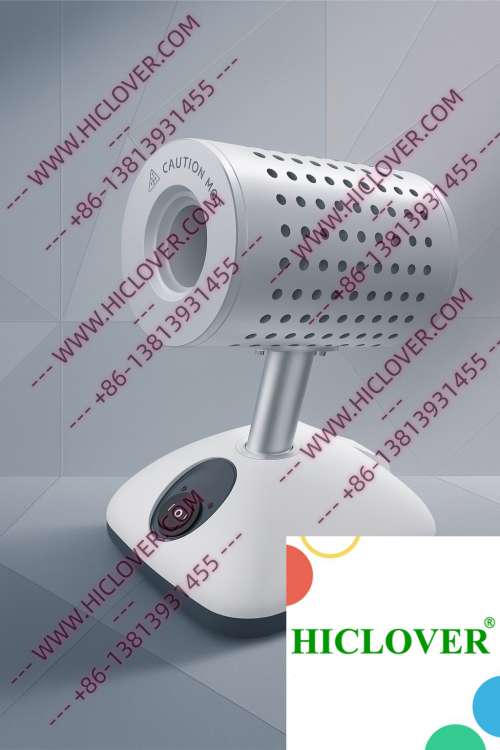
Traditional sterilization methods, using Bunsen burners or alcohol lamps, have long been a staple in laboratory settings. However, these methods often pose risks associated with open flames, especially in clean rooms or laboratories involving volatile materials. The need for a safer, more effective solution has led to the adoption of micro incinerators, specifically the Micro Incinerator / Infrared Inoculating Loop Sterilizer, known for its advanced sterilization capabilities without the hazards associated with open flames.
How Micro Incinerators Work
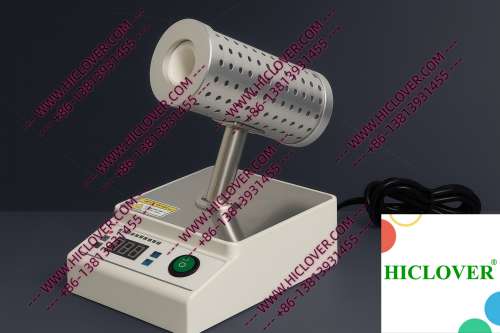
Micro Incinerators utilize the principle of rapid thermal sterilization through infrared heat. The enclosed ceramic tube design ensures direct heating of inoculating loops and other laboratory tools, achieving temperatures that effectively sterilize instruments in seconds. This configuration allows for aerosol-free handling, reducing the risk of contamination in sensitive environments.
The infrared heating system operates without a flame, leveraging high-temperature disinfection while keeping the workspace clean and safe. In contrast to conventional flame sterilizers, micro incinerators provide a reliable and efficient way to manage sterilization protocols with minimal risk of cross-contamination.
Application Scenarios
Biosafety Cabinets and Micro Incinerators
In laboratories using biosafety cabinets, the importance of maintaining a sterile environment is paramount. Micro incinerators can be integrated seamlessly into these setups, allowing for immediate sterilization of tools such as inoculation loops without compromising airflow or security. The confined space of the biosafety cabinet combined with the micro incinerator’s design creates a highly effective sterilization zone, crucial for microbiology research and clinical diagnostics.
Field Testing and Mobile Laboratories
Field testing environments, particularly in remote areas of Tokyo, demand portable and reliable sterilization solutions. Micro incinerators fit this need perfectly, providing a lightweight yet powerful option for field laboratories. Researchers can sterilize their equipment quickly and effectively, ensuring accurate results without the complications associated with traditional flame-based sterilization methods.
Compliance and Environmental Considerations
In light of global health standards, compliance with established laboratory sterilization protocols is essential. The WHO’s guidelines on biosafety emphasize the minimization of risks associated with contamination, mandating that laboratories adopt practices that ensure personnel and environmental safety. The ability of micro incinerators to operate without flames is particularly relevant in this regard, making them suitable for clean rooms where open flames are prohibited.
- WHO Biosafety Recommendations: Endorse the use of efficient sterilization methods that minimize aerosol production.
- ISO Standards: ISO 13485 compliance for medical devices ensures quality management in laboratory equipment.
- Environmental Safety: No flame operation reduces the potential for hazardous accidents in lab settings.
Why Choose Micro Incinerators Over Traditional Flame Sterilizers?
| Feature | Micro Incinerator | Flame Sterilizer |
|---|---|---|
| Temperature Control | Precise infrared heating | Variable, less accurate |
| Safety | No open flame | Open flame risk |
| Time Efficiency | Rapid sterilization | Longer heating time |
| Aerosol Production | Minimal | High |
| Portability | Lightweight and compact | Bulky, requires stable surface |
Frequently Asked Questions
What is a Micro Incinerator?
A Micro Incinerator is a compact sterilization device utilized for quickly and safely sterilizing inoculating loops and laboratory tools using infrared heat without open flames.
How does it compare to traditional flame sterilizers?
Micro Incinerators offer greater safety, rapid thermal sterilization, and minimal aerosol production, making them preferable to traditional flame sterilizers which can pose contamination risks.
Can Micro Incinerators be used in sensitive labs?
Yes, they are particularly suitable for clean rooms and BSL-2/BSL-3 environments as they operate without flames and provide safe handling of sterilization processes.
Are Micro Incinerators compliant with WHO standards?
Absolutely. Micro Incinerators conform to WHO biosafety recommendations, emphasizing contamination control and safe sterilization practices in laboratories.
What maintenance do Micro Incinerators require?
Minimal. Regular cleaning of the ceramic tube and ensuring proper functionality are the main maintenance tasks needed to keep the device in optimal working condition.
Conclusion
As the demand for efficient, safe, and highly effective sterilization techniques in laboratories grows, particularly in Tokyo’s cutting-edge research centers, the Micro Incinerator / Infrared Inoculating Loop Sterilizer stands out as a premier solution. With its unique advantages over traditional flame-burning sterilizers, this equipment not only enhances laboratory workflows but also ensures compliance with international biosafety standards.
If you’re interested in purchasing or learning more about this state-of-the-art sterilization solution, please contact us today to discuss your specific laboratory needs!
Categories:
Tags: