
In today’s rapidly advancing laboratory environments, the need for effective biosafety is paramount. With an increasing number of laboratories focusing on precision and contamination control, the demand for innovative sterilization workflows has surged. This has led to the rise of micro incinerators, specifically designed to meet the stringent requirements of modern laboratories. As we delve into South Korea’s micro incinerator revolution, we’ll explore how the Micro Incinerator and Infrared Inoculating Loop Sterilizer are transforming sterilization processes across various applications.
Modern Laboratory Challenges in Sterilization
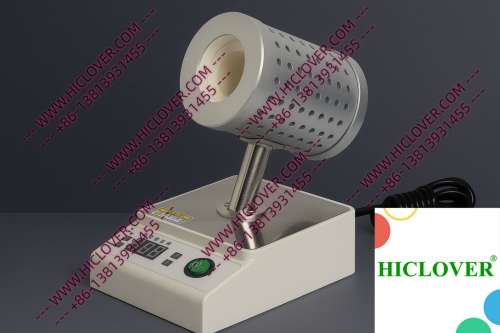
The challenges faced by laboratories today include ensuring effective sterilization without compromising operational efficiency. Traditional methods such as alcohol lamps and Bunsen burners are being scrutinized for their inherent risks, including flame hazards and potential contamination from aerosols. Laboratories operating in BSL-2 and BSL-3 environments require sterile conditions to prevent contamination, which can be difficult to achieve with open flames. This is where micro incinerators come into play, offering unique advantages that cater to contemporary sterilization demands.
Technical Principles of Micro Incinerators
The Micro Incinerator utilizes rapid thermal sterilization through infrared heat, providing a fast and efficient method for sterilizing inoculating loops and other lab tools. The core of this device is its enclosed ceramic heating chamber, which reaches high temperatures (often exceeding 800°C) to effectively sterilize tools in seconds. This design ensures that the heat is directed internally, minimizing external risks while maintaining a clean workspace. Moreover, its compact size allows for easy operation within biosafety cabinets, making it ideal for both clinical diagnostics and university teaching labs.
Applications in Real Laboratories
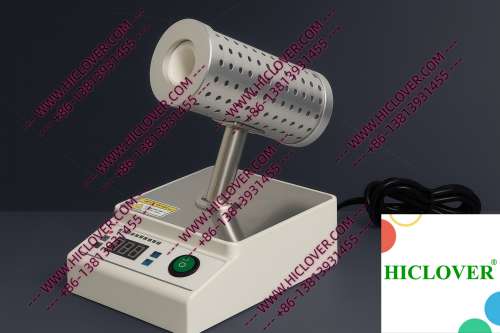
Micro incinerators have demonstrated their versatility in various laboratory settings. Here are two notable application scenarios:
- Biosafety Cabinets: In BSL-2 and BSL-3 labs, micro incinerators are often used within biosafety cabinets to sterilize instruments while maintaining a contamination-free environment. The lack of flames and aerosols enhances worker safety and preserves sample integrity.
- Field Testing Labs: Micro incinerators are increasingly utilized in mobile testing units and field laboratories where sterilization must be performed on-site. Their portability allows researchers to quickly and effectively sterilize tools in diverse environments, from remote sites to urban healthcare outreach programs.
Compliance and Environmental Considerations
As laboratories strive to align with global safety regulations, compliance with WHO biosafety standards and lab sterilization guidelines is non-negotiable. Micro incinerators provide several compliance advantages, particularly in clean rooms where traditional flame sterilizers pose risks. For instance, the closed design of the micro incinerator mitigates the threat of aerosol emissions, thus qualifying as a suitable option in sensitive environments.
Comparison of Micro Incinerators and Traditional Flame Sterilizers
| Feature | Micro Incinerator | Flame Sterilizer |
|---|---|---|
| Temperature Control | Precise infrared heat | Variable flame control |
| Safety | No open flame, reduced contamination | Open flame, higher contamination risk |
| Efficiency | Rapid sterilization (seconds) | Slower, dependent on flame adjustments |
| Portability | Compact and lightweight | Heavier and bulkier |
Frequently Asked Questions
What is a Micro Incinerator?
A micro incinerator is a laboratory device that uses infrared heat to rapidly sterilize inoculating loops and other laboratory instruments, providing an efficient alternative to traditional flame-based sterilizers.
How does a Micro Incinerator improve laboratory safety?
By eliminating open flames and aerosol emissions, micro incinerators significantly reduce hazards associated with traditional sterilization methods, making them safer for use in clean rooms and biosafety cabinets.
Can Micro Incinerators be used in field labs?
Yes, their compact design and rapid sterilization capabilities make them ideal for mobile testing units and field laboratories, ensuring that contamination control measures are upheld even in remote locations.
Conclusion
The micro incinerator revolution represents a significant shift in laboratory sterilization practices, particularly in South Korea, a hub for innovative biosafety solutions. By adopting micro incinerators, laboratories can enhance safety, efficiency, and compliance with global biosafety standards, particularly in BSL-2 and BSL-3 environments. If you’re interested in upgrading your sterilization equipment and embracing the future of laboratory safety, don’t hesitate to reach out for a consultation or to explore purchasing options.
Categories:
Tags: