
As laboratory environments continue to evolve, the challenges surrounding biosafety and sterilization workflows have never been more pressing. With contamination control becoming paramount, the demand for efficient sterilization solutions is at an all-time high. This is where micro incinerators, particularly the Infrared Inoculating Loop Sterilizer, play a critical role in enhancing laboratory sterilization equipment.
Understanding the Micro Incinerator: Technical Principles
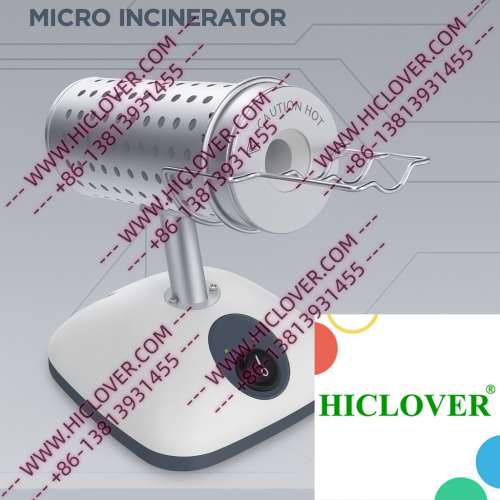
The Infrared Inoculating Loop Sterilizer operates using advanced technology that involves rapid thermal sterilization. Unlike traditional flame sterilizers such as alcohol lamps and Bunsen burners, micro incinerators utilize infrared heat emitted from a ceramic heating chamber. This design allows for precise temperature control, ensuring high-temperature disinfection without the risks associated with an open flame. The enclosed ceramic tube not only enhances the device’s safety features but also minimizes aerosol generation, which is critical for maintaining a clean environment in laboratories.
Key Features of Micro Incinerators
- Rapid sterilization: Achieves sterilization in seconds, improving workflow efficiency.
- Clean-bench-safe: The design prevents contamination, making it ideal for sensitive environments.
- Low energy consumption: Operates efficiently, reducing utility costs.
- No open flames: Enhances safety in the lab, particularly in BSL-2 and BSL-3 settings.
- What are the key benefits of using a micro incinerator over traditional flame sterilizers?
- A micro incinerator provides rapid sterilization, improved contamination control, and enhanced safety, making it a superior choice for modern laboratories.
- Can a micro incinerator be used in a biosafety cabinet?
- Yes, micro incinerators are specifically designed to be used safely within biosafety cabinets without compromising sterilization effectiveness.
- How does the ceramic heating chamber contribute to sterilization?
- The ceramic heating chamber ensures consistent and safe temperatures, leading to effective microbial inactivation while minimizing aerosol generation.
- Are micro incinerators energy-efficient?
- Yes, they consume significantly less energy compared to traditional flame sterilizers, making them an environmentally friendly option.
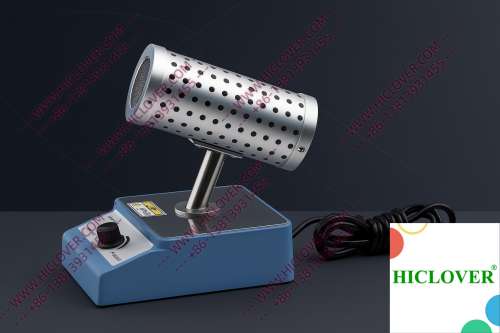
Applications of Micro Incinerators in Labs
Micro incinerators have found numerous applications across various laboratory settings. Here are two notable scenarios:
1. Biosafety Cabinets
In microbiology labs that handle pathogens, such as those adhering to BSL-2 or BSL-3 standards, using a micro incinerator within a biosafety cabinet allows for effective sterilization of inoculating loops while maintaining a sterile environment. The enclosed nature of the micro incinerator prevents contaminant escalation, particularly when working with infectious materials.
2. Teaching Labs
University teaching labs often require efficient sterilization methods for educational demonstrations involving live cultures. The micro incinerator provides a safe and easy-to-use solution for students. Instructors can demonstrate inoculation techniques without the hazards posed by traditional flame-based systems, thus promoting a safe learning environment.
Compliance and Safety Considerations
When implementing new sterilization methods, laboratories must align with international standards and guidelines. The World Health Organization (WHO) emphasizes the importance of biosafety, especially in environments dealing with infectious agents. Compliance with lab sterilization standards, such as those set by ISO or CDC, ensures consistent quality and safety throughout lab operations.
Furthermore, micro incinerators are ideal for use in clean rooms where open flames pose significant contamination risks. The absence of flames eliminates the chances of unintended combustion or air contamination, making these devices compliant with stringent cleanroom standards.
Micro Incinerator vs. Traditional Flame Sterilizers: A Comparison
| Feature | Micro Incinerator | Flame Sterilizer |
|---|---|---|
| Speed of Sterilization | Seconds | Varies |
| Contamination Control | High | Medium |
| Energy Efficiency | High | Low |
| Safety in Use | Exceptional | Risky |
Frequently Asked Questions
Conclusion
Micro incinerators represent a revolutionary advancement in laboratory sterilization equipment, combining efficiency and safety for improved biosafety practices. Whether you are in a clinical diagnostics lab, a university teaching environment, or conducting mobile field testing, incorporating a micro incinerator into your workflow can significantly enhance your sterilization processes.
UK communities looking to upgrade their laboratory sterilization practices should consider the benefits of micro incinerators. For more information on purchasing or incorporating these devices in your facility, please reach out to the leading distributors today.
Categories:
Tags: