
Laboratory settings, whether in a clinical, research, or educational context, frequently grapple with the profound challenge of maintaining a contamination-free workspace. As biosafety standards escalate, so does the necessity for reliable sterilization techniques. One pivotal solution in achieving sterilization excellence involves the Micro Incinerator or Infrared Inoculating Loop Sterilizer, designed to elevate sterilization workflows while minimizing the biosafety risks associated with traditional flame sterilizers.
Understanding the Technical Principles
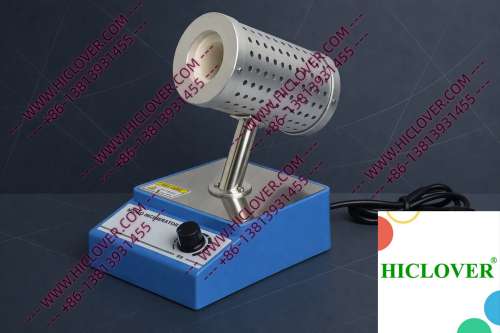
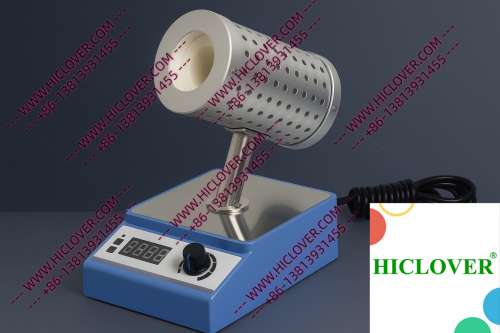
The Micro Incinerator operates on the principle of rapid thermal sterilization by utilizing infrared heat. Unlike traditional flame sterilizers like alcohol lamps and Bunsen burners, which are susceptible to temperature fluctuations and soot accumulation, the Micro Incinerator features an enclosed ceramic heating chamber. This innovative setup allows for a controlled and consistent heat delivery, achieving high-temperature disinfection in mere seconds.
- Rapid Thermal Sterilization: Achieves disinfection within seconds, reducing wait times.
- Aerosol-Free Handling: Eliminates the risk of aerosol contamination during sterilization.
- Clean-Bench Safe: Suitable for use in sterile environments such as biosafety cabinets.
- Energy Efficient: Consumes less energy than traditional burners while providing effective sterilization.
Application Scenarios in Real Labs
The versatility of the Micro Incinerator is showcased through various application scenarios:
1. University Teaching Labs
In educational settings, maintaining sterile conditions is paramount. In microbiology teaching labs, students often rely on inoculating loops for culturing bacteria. The Micro Incinerator allows students to quickly sterilize their loops before and after each sample, ensuring that cross-contamination is minimized. With the clean-bench-safe design, it can be conveniently used within biosafety cabinets, thus enhancing the overall safety of laboratory exercises.
2. Clinical Diagnostics in BSL-2 Laboratories
Clinical diagnostics laboratories face stringent biosafety requirements, particularly those operating under Biosafety Level 2 (BSL-2). The Micro Incinerator is crucial in these settings when working with potentially infectious materials. Its compact design allows for portability within the lab, providing technicians with a reliable way to decontaminate tools and instruments without the risks associated with open flames—such as ignition of materials in a DNA extraction lab or exposure to volatile reagents.
Adhering to Compliance and Best Practices
Effective laboratory sterilization is not only a matter of choice but also a requirement dictated by health and safety regulations. The World Health Organization (WHO) and various national bodies set stringent biosafety standards that laboratories must follow to ensure the health and safety of all personnel. Compliance requires the use of sterilization methods like the Micro Incinerator that do not propagate contamination, particularly important in cleanroom environments where no open flames can be permitted. In addition to WHO guidelines, adhering to local regulations is critical for laboratories in specific regions, such as the United States or the European Union, where enforcement of laboratory safety standards is rigorous.
Advantages Over Traditional Flame Sterilizers
When looking to enhance sterilization workflows, evaluating the advantages of the Micro Incinerator against traditional flame sterilizers is essential. Below is a comparative analysis:
| Feature | Micro Incinerator | Flame Sterilizer (e.g., Bunsen Burner) |
|---|---|---|
| Temperature Control | Consistent infrared heating | Variable, prone to fluctuations |
| Compliance with Cleanroom Standards | Yes, no open flames | No, presents contamination risk |
| Aerosol Generation | Minimal | High, due to combustion |
| Energy Consumption | Low | Higher |
| Operational Safety | High, user-friendly design | Lower, risk of burns and fires |
Frequently Asked Questions (FAQs)
1. How does the Micro Incinerator ensure contamination control?
The Micro Incinerator employs infrared heating, which provides rapid sterilization while minimizing the risk of aerosol contamination compared to flame-based systems.
2. Can the Micro Incinerator be used in BSL-3 laboratories?
Yes, the sterility and safety offered make it suitable for BSL-3 laboratories, where biosafety is paramount.
3. What maintenance is required for the Micro Incinerator?
Regular cleaning of the ceramic heating chamber is recommended along with periodic checks for operational efficiency.
4. Is the Micro Incinerator portable for field testing?
Yes, its compact design allows for easy transportation, making it ideal for field testing applications.
5. How does the Micro Incinerator comply with laboratory safety standards?
The device meets or exceeds safety regulations by providing flame-free sterilization and minimal contamination risks, complying with WHO and local biosafety standards.
Conclusion: Elevate Your Laboratory Sterilization Standards
The Micro Incinerator / Infrared Inoculating Loop Sterilizer represents a significant advancement in laboratory sterilization equipment. With its rapid thermal sterilization capabilities and adherence to strict biosafety standards, it offers a vital solution for a contamination-free laboratory environment. For those interested in upgrading their sterilization methods to enhance biosafety and operational efficiency, consider reaching out to us for more information or to place an order. Elevate your laboratory’s sterilization standards today!
Categories:
Tags: