
In modern laboratories, maintaining stringent biosafety standards while efficiently managing workflow poses significant challenges. Laboratory sterilization equipment plays a critical role in ensuring contamination control, especially in environments where precise microbial analysis is necessary. One promising solution to these challenges is the Micro Incinerator or Infrared Inoculating Loop Sterilizer—a revolutionary technology offering rapid thermal sterilization without the risks associated with traditional flame sterilizers.
Understanding the Technical Principles
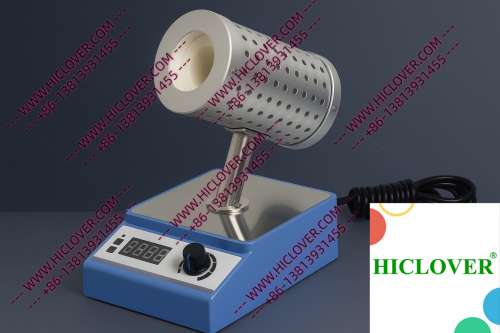
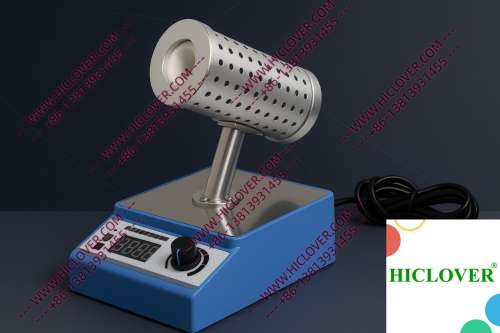
The Micro Incinerator operates on the principle of infrared high-temperature disinfection. Unlike conventional flame-based sterilizers such as alcohol lamps or Bunsen burners, which pose risks related to open flames in cleanrooms, the Micro Incinerator utilizes a ceramic heating chamber. This enclosed design not only allows for rapid heating but also ensures uniform temperature distribution essential for effective sterilization.
- Rapid Thermal Sterilization: The infrared heat generated within the ceramic tube reaches high temperatures within seconds, enabling immediate sterilization of inoculating loops, needles, and other small instruments.
- Contamination Control: The closed design minimizes aerosolization during the sterilization process, reducing the risk of airborne contamination in sensitive environments.
- Clean-Bench-Safe: With no open flame, the Micro Incinerator is safe to use in conjunction with laminar flow hoods and biosafety cabinets, ensuring compliance with stringent biosafety regulations.
Practical Laboratory Applications
The versatility of the Micro Incinerator makes it ideal for various laboratory scenarios across different sectors. Below are two notable applications of this equipment:
1. BSL-2 / BSL-3 Microbiology Labs
In high-containment laboratories, such as those operating at BSL-2 and BSL-3 levels, using open flames can introduce hazardous conditions. The Micro Incinerator is employed for sterilizing inoculating loops, ensuring a contaminant-free environment while complying with biosafety standards set forth by organizations such as the WHO. This tool perfectly integrates into sterilization workflows, providing immediate and effective sterilization of tools used in culturing pathogens.
2. University Teaching Labs
In educational settings, where students often engage in hands-on microbiology experiments, the Micro Incinerator provides a safe and reliable means of sterilization. By utilizing this equipment, instructors can ensure that budding scientists learn effective contamination control practices without exposing them to open flames. The user-friendly design promotes rapid turnaround times, allowing more extensive experimentation within class periods—ultimately enhancing the educational experience.
Compliance and Environmental Considerations
With an increasing emphasis on safety and compliance in laboratory settings, utilizing a Micro Incinerator aligns with global biosafety standards. WHO guidelines stress the importance of clean and safe laboratory practices, particularly in research and clinical diagnostics environments. Flame-based sterilization is often restricted in cleanrooms and labs dedicated to sensitive operations due to the fire hazards associated with open flames and the potential for introducing contaminants during the sterilization process.
Advantages Over Traditional Flame Sterilizers
| Feature | Micro Incinerator | Traditional Flame Sterilizers |
|---|---|---|
| Flame Type | Infrared (no open flame) | Open flame (Bunsen, alcohol lamp) |
| Heating Time | Seconds | Minutes |
| Safety | Clean-bench safe | High risk of fire |
| Contamination Risk | Aerosol-free handling | Potential aerosolization |
Frequently Asked Questions (FAQs)
- What types of items can be sterilized using a Micro Incinerator?
The Micro Incinerator is ideal for sterilizing inoculating loops, needles, and small equipment used in microbiological analysis. - How quickly can the Micro Incinerator reach sterilizing temperatures?
Typically, the Micro Incinerator can achieve sterilization temperatures within seconds, significantly faster than traditional flame methods. - Is the Micro Incinerator suitable for use in BSL-3 laboratories?
Yes, its design ensures compliance with BSL-3 safety standards by eliminating the hazards associated with open flames. - Can the Micro Incinerator be used in teaching labs?
Absolutely—it’s an excellent tool for educational institutions, enabling safe and efficient sterilization for student experiments. - Why choose infrared technology over flame-based methods?
Infrared technology allows for safer, faster, and more controlled sterilization, reducing the risk of contamination and accidents during microbiological work.
Conclusion
In summary, the Micro Incinerator / Infrared Inoculating Loop Sterilizer represents a significant advancement in laboratory sterilization technology, combining efficiency with robust safety features. As biosafety regulations continue to evolve, making informed choices in sterilization equipment is essential for laboratories aiming to enhance workflow while ensuring the health and safety of personnel and samples. For more information or to inquire about purchasing a Micro Incinerator, please feel free to contact us today—we’re here to assist with your sterilization equipment needs!
Categories:
Tags: