
In the world of laboratory biosafety, contamination can significantly hinder results and compromise research integrity. Laboratories dealing with microorganisms, especially in sensitive environments such as BSL-2 and BSL-3 labs, require precise sterilization methods to keep their operations safe and effective. Among the various sterilization equipment available, the Micro Incinerator, also known as the Infrared Inoculating Loop Sterilizer, emerges as a state-of-the-art solution designed to meet rigorous sterilization workflow demands.
Technical Principles: Understanding the Micro Incinerator
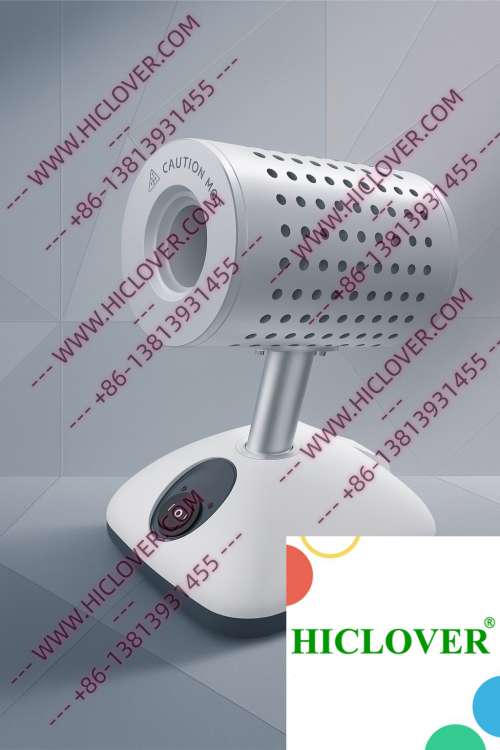
The Micro Incinerator utilizes infrared technology, providing rapid thermal sterilization through an enclosed ceramic heating chamber. Unlike traditional flame sterilizers such as alcohol lamps and Bunsen burners, the Micro Incinerator avoids the risks associated with open flames, reducing aerosol generation and minimizing the likelihood of burns or laboratory fires.
Here’s how it works: When the device is activated, infrared heat is emitted from the ceramic tube, allowing for immediate and efficient sterilization of inoculating loops in mere seconds. This high-temperature disinfection method guarantees that any contaminants on the loops are eradicated while retaining the structural integrity of the implements—a significant advancement over flame-based alternatives.
Applications in Real Labs
1. Biosafety Cabinet Operations
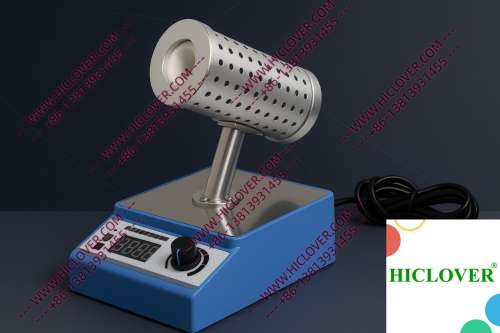
In a BSL-2 microbiology lab, researchers often work within biosafety cabinets to contain pathogens. The Micro Incinerator fits seamlessly into this environment, providing a compact and effective sterilization method for inoculating loops used for handling cultures. With minimal risk of cross-contamination and no hazardous fumes, scientists can confidently transfer microbial samples without compromising their safety or the integrity of their experiments.
2. University Teaching Labs
University teaching labs must instill fundamental biosafety protocols in students. Here, the Micro Incinerator serves as an educational tool that demonstrates modern sterilization techniques without the dangers associated with flame sterilizers. Students can practice disinfection procedures quickly and safely, preparing them for more advanced roles in clinical diagnostics and research post-graduation.
Compliance and Safety Standards
Meeting compliance standards is crucial for laboratory operations worldwide. The World Health Organization (WHO) provides guidelines that recommend effective sterilization methods, emphasizing the importance of eliminating ignition risks in clean rooms and ensuring aerosol-free handling in sensitive environments.
Adhering to laboratory sterilization standards means properly utilizing equipment like the Micro Incinerator. Its design allows for compliance with various local regulations, including those in major markets such as the United States and Europe, where safety protocols are strictly enforced. Additionally, hospitals and research centers in cities like London and New York recognize the value of replacing traditional flame tools with safer thermal alternatives.
Advantages Over Traditional Flame Sterilizers
The Micro Incinerator’s advantages stand out significantly when compared to traditional flame sterilizers, as shown in the table below:
| Feature | Micro Incinerator | Flame Sterilizers |
|---|---|---|
| Efficiency | Rapid thermal sterilization in seconds | Longer heating time |
| Risk of Burns | No open flame, minimal risk | High risk of burns |
| Aerosol Generation | Minimized risk | Higher risk due to open flames |
| Ease of Use | Simple one-button operation | Requires skill to use safely |
FAQs about Micro Incinerators and Laboratory Sterilization
Q1: How long does it take to sterilize an inoculating loop with the Micro Incinerator?
A1: The Micro Incinerator efficiently sterilizes inoculating loops in just a few seconds, allowing for rapid transitions during experimental workflows.
Q2: Is the Micro Incinerator safe to use in biosafety cabinets?
A2: Yes, the Micro Incinerator is designed to operate safely within biosafety cabinets, providing clean, flame-free sterilization that meets strict containment requirements.
Q3: What are the maintenance requirements for the Micro Incinerator?
A3: The device requires minimal maintenance, primarily keeping the ceramic heating element clean and ensuring that the power supply is functioning properly.
Q4: Can the Micro Incinerator be used in field testing labs?
A4: Absolutely. The compact design and portability of the Micro Incinerator make it an ideal choice for mobile applications where safety and efficiency are paramount.
Q5: How does the Micro Incinerator contribute to environmental safety?
A5: By eliminating the need for open flames and minimizing aerosol generation, the Micro Incinerator promotes a safer, environmentally friendly approach to laboratory sterilization, aligning with modern biosafety practices.
Conclusion: Elevate Your Lab Safety Standards
The Micro Incinerator/IInfrared Inoculating Loop Sterilizer represents a significant advancement in laboratory sterilization techniques. It not only enhances workflow efficiency but also prioritizes safety in the lab setting, making it an essential addition to contemporary laboratories. If you’re interested in upgrading your sterilization methods, we invite you to reach out to our team to learn more about this innovative technology and how it can benefit your operations!
Categories:
Tags: