
The perpetual demand for higher standards of laboratory biosafety presents significant challenges to researchers, technicians, and laboratory managers. Traditional sterilization methods, while widely used, often fail to meet the rigorous requirements of today’s advanced laboratory environments. One emerging solution that addresses these challenges is the Micro Incinerator / Infrared Inoculating Loop Sterilizer. This innovative tool streamlines sterilization workflows while enhancing contamination control and equipment safety.
Understanding the Technical Principles
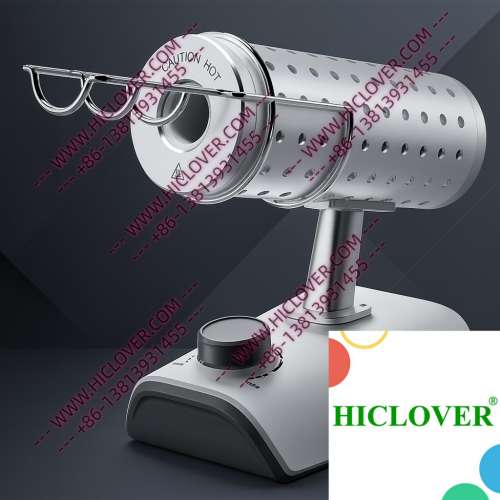
The Micro Incinerator employs an advanced infrared heating technology that offers rapid thermal sterilization, significantly cutting down on time typically spent waiting for sterilizers to reach the desired temperature. The centerpiece of this highly effective device is its enclosed ceramic heating chamber, engineered to provide uniform high temperatures without the hazardous emissions that traditional flame sources emit.
- Infrared heat: Delivers targeted energy to the inoculating loop or tool, bringing it to a sterilizing temperature quickly.
- Enclosed design: Protects users from accidental burns and reduces the risk of open flames in cleanroom environments.
- Aerosol-free handling: Minimizes the creation and dispersal of aerosols during the sterilization process.
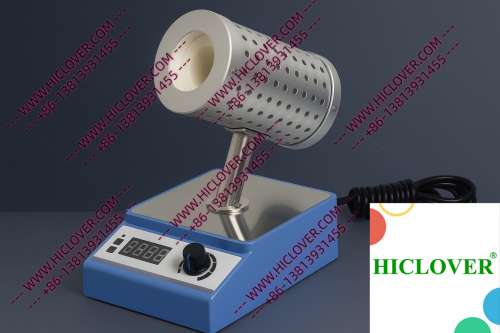
This combination of features not only enhances safety for laboratory personnel but also provides peace of mind for compliance with increasingly stringent laboratory standards.
Real-World Applications in Laboratories
To illustrate the effectiveness of the Micro Incinerator, let us consider two distinct application scenarios common in laboratories:
1. Biosafety Cabinets in BSL-2/BSL-3 Labs
In Biosafety Level 2 and 3 laboratories, maintaining a sterile work environment is essential to prevent potential contamination. The Micro Incinerator excels in this setting as it permits sterilization of inoculating tools within the confines of the biosafety cabinet. Unlike traditional flame burners, which pose risks of open flames and disrupt the airflow inside the cabinet, the infrared sterilizer operates without producing harmful aerosols, thus preserving the biosafety and integrity of experiments.
2. University Teaching Labs
In academic settings, where safety education is paramount, the use of a Micro Incinerator in teaching labs not only enhances practical learning experiences but also adheres to best practices in laboratory safety. Students can familiarize themselves with a touch-free sterilization method, learning to operate the device safely and efficiently without the risks associated with alcohol lamps and Bunsen burners.
Compliance and Environmental Considerations
Adherence to institutional, national, and international laboratory sterilization standards is non-negotiable in today’s laboratory environment. Agencies such as the World Health Organization (WHO) outline robust biosafety protocols that labs must integrate to ensure the safety of personnel and the surrounding environment. Many laboratories, especially those operating under cleanroom conditions, have strict no-flame policies to reduce contamination risk. The Micro Incinerator’s design aligns perfectly with such requirements, making it a compliant choice for laboratories aiming to meet or exceed these safety thresholds.
Advantages Over Traditional Flame Sterilizers
The benefits of using a Micro Incinerator over traditional flame sterilizers like alcohol lamps and Bunsen burners are numerous:
- Increased Safety: The enclosed design eliminates the risk of burns and protects users.
- Efficiency: Rapid heating facilitates quicker turnaround times for sterilization.
- Avoidance of Chemical Usage: Offers a green alternative to chemically-laden methods of sterilization.
- Reduced Environmental Impact: No open flames lead to lower emissions and a cleaner working environment.
Below is a comparison table highlighting the key differences between a Micro Incinerator and traditional flame burners:
| Feature | Micro Incinerator | Flame Burners |
|---|---|---|
| Heat Source | Infrared | Open Flame |
| Safety | High; enclosed design | Low; risk of burns |
| Efficiency | Rapid thermal sterilization | Time-consuming |
| Contamination Control | Aerosol-free | Possible aerosol creation |
Frequently Asked Questions
What makes the Micro Incinerator a better choice for sterilization?
The Micro Incinerator is designed for safety, efficiency, and compliance, offering rapid sterilization without the risks associated with open flames.
Can the Micro Incinerator be used in field testing environments?
Yes, its portability makes it ideal for mobile or field testing labs where traditional sterilizers may be impractical.
How does it support BSL-2 and BSL-3 laboratory requirements?
With its enclosed system and aerosol-free operation, it aligns with stringent biosafety protocols required in these labs.
Is it environmentally friendly?
Yes, the Micro Incinerator minimizes hazardous emissions and avoids the use of flammable chemicals associated with traditional sterilization methods.
Conclusion
As laboratories continue to evolve in their methodologies and operational standards, investing in advanced sterilization equipment such as the Micro Incinerator / Infrared Inoculating Loop Sterilizer is not just a step forward in workflow improvement but a crucial requirement for maintaining a safe, compliant laboratory environment. For laboratories aiming to upgrade their sterilization processes, reach out today to explore how this innovative tool can enhance your lab’s safety and efficiency.
Categories:
Tags: