
In the pursuit of enhanced biosafety and efficient laboratory workflows, the challenge of contamination control is paramount. Traditional sterilization methods, such as alcohol lamps and Bunsen burners, while effective, often carry risks of environmental pollution and insufficient sterility. This is where micro incineration technology, specifically the Micro Incinerator / Infrared Inoculating Loop Sterilizer, comes into play, providing a modern solution to these pressing laboratory needs.
The Technical Principle Behind Micro Incineration
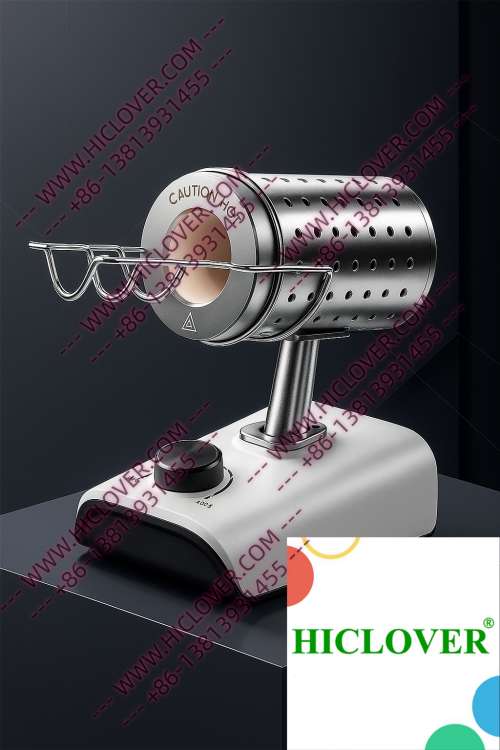
The Micro Incinerator operates on the principle of rapid thermal sterilization utilizing infrared heat. The enclosed ceramic heating chamber achieves extremely high temperatures almost instantaneously, allowing for effective disinfection of inoculating loops, needles, and other small instruments. Unlike traditional flame sterilizers, which can create aerosols and generate partial combustion by-products, the micro incineration method ensures a clean and efficient process with minimal environmental impact.
Key Advantages Over Traditional Flame Sterilizers
- Reduction of Flame Hazards: The Micro Incinerator eliminates the risk of open flames in laboratories, which is especially vital in biosafety cabinet environments where flammable materials are present.
- Environmentally Friendly: By avoiding the use of alcohol and reducing aerosol generation, this method aligns with Turkey’s Green Revolution goals of sustainable waste management.
- Aerosol-Free Handling: The technology allows for safe handling of contamination-sensitive samples, which is crucial for clinical diagnostics and microbial research.
- Versatile Applications: Adaptable to various laboratory environments, including teaching labs and field testing scenarios.
- Aligned with WHO Biosafety Guidelines: Adheres to stringent sterilization methods detailed in the WHO guidelines.
- Cleanroom Safety: Supports protocols that restrict the use of flames in clean environments.
- Compliance with Lab Safety Standards: Meets regulations required for safe operation in clinical diagnostics and research settings.
- What is a Micro Incinerator?
- A Micro Incinerator is a laboratory sterilization device that uses infrared heat for rapid thermal sterilization of tools and samples, promoting a high level of biosafety.
- How does it compare to traditional sterilizers?
- Unlike traditional sterilizers that use flames, the Micro Incinerator minimizes risks associated with open flames and offers more efficient and environmentally friendly sterilization.
- Is it compliant with international biosafety standards?
- Yes, Micro Incinerators are designed to meet WHO biosafety guidelines and are suitable for use in a variety of laboratory settings.
- Can the Micro Incinerator be used in field testing?
- Absolutely! Its portable design is ideal for sterilizing tools on-site during environmental sampling and mobile testing.
- How does it benefit laboratory teaching environments?
- The Micro Incinerator provides a safe, efficient, and eco-friendly method for equipment sterilization, allowing students to focus on learning without the distraction of handling flame-based devices.
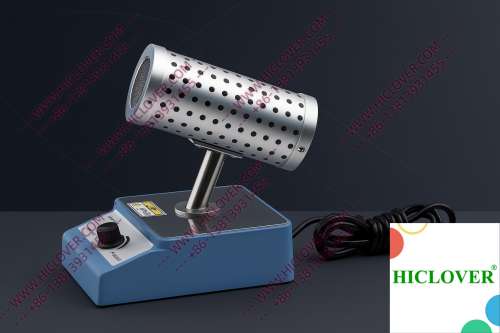
Application Scenarios in Real Labs
1. Biosafety Cabinet Applications
In BSL-2 or BSL-3 microbiology labs, effective sterilization is crucial for ensuring the safety of both pathogens and laboratory personnel. Lab professionals often rely on the Micro Incinerator for rapid contamination control within biosafety cabinets. When working with pathogens, the ability to quickly sterilize inoculating loops without exposing open flames assures a safer working environment and helps maintain compliance with strict biosafety regulations.
2. Field Testing Labs
Mobile or field testing laboratories present unique challenges where traditional sterilization methods can become impractical. In such setups, the compact nature and efficient operation of the Micro Incinerator offer mobility and ease of use. For instance, during environmental sampling, researchers can perform immediate sterilization of tools on-site, ensuring thorough decontamination before moving to the next sampling location.
Compliance with International Standards
Laboratory sterilization protocols must adhere to rigorous standards set forth by international bodies like the World Health Organization (WHO) and other regulatory agencies. As protocols evolve, the need for effective sterilization methods that minimize risk becomes imperative. The Micro Incinerator not only ensures compliance with specific lab sterilization standards but excels in environments that prohibit open flames, like clean rooms.
Utilizing a micro incinerator helps labs maintain compliance in the following ways:
Comparative Overview: Micro Incinerator vs. Flame Burners
| Feature | Micro Incinerator | Flame Burners |
|---|---|---|
| Flame Hazard Risk | Minimal | High |
| Environmental Impact | Low | Moderate |
| Speed of Sterilization | Rapid | Variable |
| Ease of Use in Clean Environments | Excellent | Poor |
FAQs About Micro Incinerators
Conclusion
As Turkey embraces its Green Revolution, the Micro Incinerator stands out as a crucial innovation in laboratory sterilization technology. By reducing environmental impact while ensuring optimal biosafety, it aligns perfectly with evolving laboratory needs. Whether you are in a university teaching lab, a clinical diagnostics facility, or a field testing environment, embracing this technology will undoubtedly enhance your laboratory operations. Consider integrating the Micro Incinerator/Infrared Inoculating Loop Sterilizer into your workflow today for a safer and more efficient future.
For inquiries or to explore purchasing options, feel free to contact us. Experience the advantages of micro incineration firsthand!
Categories:
Tags: