
In modern laboratories, biosafety challenges and the demand for effective sterilization workflows have never been more crucial. The threat of contamination can undermine research integrity, impact clinical outcomes, and cause regulatory non-compliance. For professionals in Germany, understanding advanced sterilization equipment, especially the Micro Incinerator or Infrared Inoculating Loop Sterilizer, is vital for ensuring safety and efficiency. This article delves into the technical aspects, applications, compliance standards, and advantages of modern sterilization systems over traditional methods.
Technical Principles of Infrared Loop Sterilization
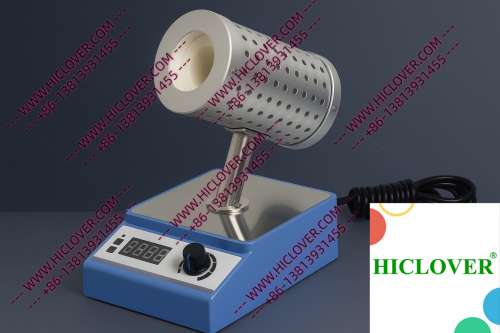
The Micro Incinerator uses infrared technology to achieve rapid thermal sterilization. At its core, it features an enclosed ceramic heating chamber that facilitates high-temperature disinfection without the need for flames. When activated, the device generates infrared heat that penetrates the inoculating loop or tool being sterilized, effectively eliminating microbial life within seconds.
This innovative design allows for a clean-bench-safe environment, minimizing the risk of aerosol generation associated with traditional flame sterilizers such as alcohol lamps or Bunsen burners. As a result, the Micro Incinerator provides a reliable solution for contamination control while enhancing the safety of laboratory personnel.
Applications of Micro Incinerators in Laboratories
The versatility of the Micro Incinerator makes it an essential tool in various laboratory environments. Here are two practical scenarios highlighting its application:
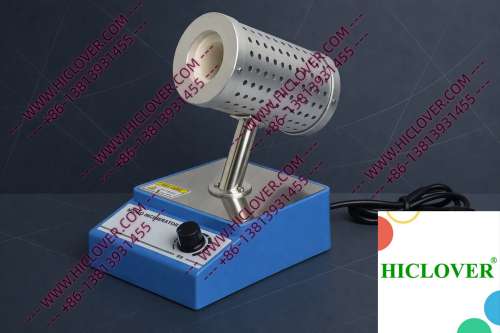
- Biosafety Cabinets: In BSL-2 and BSL-3 microbiology labs, where infectious agents are handled, the Micro Incinerator is crucial. Its compact design allows for easy integration into biosafety cabinets, facilitating immediate sterilization without compromising airflow or creating hazardous aerosols.
- Teaching Labs: In educational institutions, such as universities, the Micro Incinerator serves as a safe option for training students in microbiological techniques. Inoculating loops can be quickly sterilized, teaching students proper aseptic techniques while ensuring lab safety.
Compliance and Environmental Considerations
Adherence to global biosafety standards is essential in maintaining laboratory safety. The World Health Organization (WHO) emphasizes strict compliance with protocols that reduce contamination risks. Traditional flame sterilizers, while effective, pose significant dangers in cleanroom environments and can lead to compliance issues.
Infrared inoculating loop sterilizers like the Micro Incinerator help facilities meet stringent lab sterilization standards by offering:
- Aerosol-free handling, which minimizes exposure to pathogens.
- Flame-free operation, essential for cleanroom settings.
- Rapid sterilization cycles, increasing workflow efficiency.
By incorporating infrared sterilizers, laboratories can ensure a safer environment while maintaining compliance with WHO and other regulatory guidelines, protecting both personnel and research integrity.
Micro Incinerator Compared to Traditional Flame Sterilizers
Below is a comparison table showcasing the advantages of the Micro Incinerator over traditional flame sterilizers:
| Feature | Micro Incinerator | Flame Sterilizers |
|---|---|---|
| Heat Source | Infrared | Open Flame |
| Safety | Non-flame, reduced risk of fire | Potential fire hazards, burns |
| Efficiency | Rapid sterilization (seconds) | Longer heat-up times |
| Aerosol Control | No aerosols generated | Possible aerosol formation |
The Micro Incinerator provides safer, more efficient sterilization for various lab environments compared to conventional flame burners. This capability not only improves laboratory workflows but also ensures higher standards of contamination control.
FAQs About Micro Incinerators
1. What types of labs benefit most from Micro Incinerators?
Micro Incinerators are especially beneficial in BSL-2 and BSL-3 labs, clinical diagnostics, teaching facilities, and mobile testing labs due to their efficient and safe sterilization capabilities.
2. How long does it take to sterilize tools with a Micro Incinerator?
The sterilization process takes just a matter of seconds, providing a rapid solution for maintaining sterility of tools and inoculating loops.
3. Are there any environmental concerns with using a Micro Incinerator?
Micro Incinerators are designed to minimize environmental impact by eliminating flame-related hazards and aerosol generation, making them suitable for cleanroom environments.
4. Can the Micro Incinerator be used in field testing?
Yes, the compact design of the Micro Incinerator makes it a viable choice for field testing, where quick and safe sterilization is essential.
5. Is the Micro Incinerator compliant with WHO guidelines?
Yes, using a Micro Incinerator helps laboratories comply with WHO biosafety standards by promoting safe sterilization practices that reduce contamination risk.
Conclusion
Embracing advanced sterilization technology like the Micro Incinerator / Infrared Inoculating Loop Sterilizer is essential for German laboratories seeking to enhance biosafety and operational efficiency. Transitioning from traditional flame sterilizers to infrared solutions not only improves microbial control but also aligns laboratory practices with international safety standards. For those interested in improving laboratory workflows and safety, we encourage you to contact us for more information or to discuss purchasing options for the Micro Incinerator.
Categories:
Tags: