
As the demand for safe and effective laboratory practices grows, biosafety challenges in French labs are becoming increasingly complex. The need for efficient sterilization workflows is paramount to ensure contamination control and compliance with rigorous standards. While traditional sterilization methods such as alcohol lamps and Bunsen burners have been commonly used, innovative solutions like the Micro Incinerator or Infrared Inoculating Loop Sterilizer are redefining the landscape of laboratory sterilization equipment.
Understanding the Technical Principles
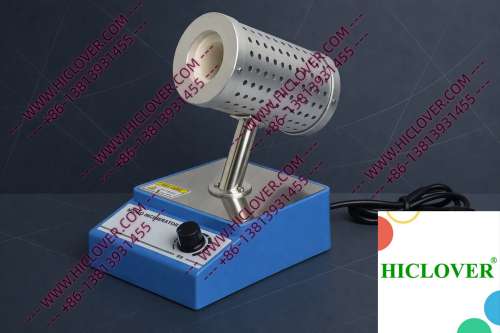
The Micro Incinerator utilizes advanced infrared heat technology to achieve rapid thermal sterilization. This method is based on the principle of enclosed ceramic tubes that generate high temperatures swiftly, making it significantly more efficient than traditional flame sterilizers. The compact design allows for precise control of temperature and minimizes the risk of contamination caused by open flames.
Features of the Micro Incinerator
- Rapid thermal sterilization: Achieves sterilization in seconds.
- Safe for clean environments: No open flame, reducing the risk of explosive reactions.
- Compact design: Easy to fit in diverse lab settings.
- Low energy consumption: Designed for efficiency without compromising performance.
- Easy to clean: The ceramic tube can be conveniently maintained.
- WHO recommendations on sterilization methods: Safeguards against contamination.
- ISO 15883: Guidelines for disinfection in healthcare facilities.
- Risk minimization: Prevents ignition and contamination in enclosed spaces.
Application Scenarios in Real Labs
1. Microbiology Teaching Labs
Inside university microbiology labs where students conduct hands-on experiments, the Micro Incinerator is invaluable. Its efficient sterilization of inoculating loops minimizes downtime, allowing educators to focus on imparting knowledge rather than performing lengthy sterilization tasks. Moreover, the aerosol-free handling reduces contamination risks during student demonstrations.
2. Clinical Diagnostics and BSL-2 Labs
In BSL-2 and clinical diagnostics environments, infection control is paramount. The Micro Incinerator can be integrated into biosafety cabinets, providing a reliable means to sterilize tools without compromising the integrity of the sterile space. Its capability to generate high temperatures ensures that pathogens are effectively eliminated, adhering to current lab sterilization standards.
Compliance and Environmental Considerations
Following WHO biosafety protocols and laboratory sterilization standards is essential for maintaining a safe working environment. Traditional flame sterilizers have limitations, particularly in clean rooms where open flames are prohibited. The Micro Incinerator not only complies with these stringent requirements but also offers a cleaner operation, reducing the risk of hazardous fumes and residues.
Biosafety Compliance Reference
Key points to consider for safe laboratory environments include:
Advantages Over Traditional Flame Sterilizers
When comparing the Micro Incinerator to traditional flame sterilizers like Bunsen burners, several advantages stand out:
| Feature | Micro Incinerator | Flame Sterilizers |
|---|---|---|
| Temperature Control | Precise and adjustable | Variable and less controlled |
| Worker Safety | No open flame | Risk of burns and explosions |
| Ease of Use | Simple one-handed operation | Requires two hands and attention |
| Environmental Impact | Lower emissions | Higher fumes and contaminants |
Frequently Asked Questions
What is the temperature range of the Micro Incinerator?
The Micro Incinerator typically operates at temperatures exceeding 800°C, allowing for effective sterilization in seconds.
Can the Micro Incinerator be used in a BSL-3 lab setting?
Yes, it is suitable for use in BSL-3 environments due to its effective sterilization and aerosol-free operation.
How does the Micro Incinerator help in reducing contamination risks?
By eliminating the need for an open flame, the Micro Incinerator significantly reduces the risk of drafting contaminants into the working area.
Is training required to use the Micro Incinerator?
While it is user-friendly, a brief training session on best practices and safety protocols is recommended for optimal use.
What are the maintenance requirements for the Micro Incinerator?
Routine cleaning of the ceramic tube is necessary for maintaining performance, and the device should be checked periodically for any wear.
Conclusion
In summary, as French laboratories strive for higher standards of biosafety and efficiency in sterilization, the Micro Incinerator / Infrared Inoculating Loop Sterilizer emerges as a superior alternative to traditional methods. Its design not only addresses practical laboratory workflow demands but also enhances worker safety and environmental compliance. For laboratories looking to advance their sterilization practices, this innovative technology is undoubtedly a worthy consideration. Contact us today to explore purchasing options and elevate your lab’s sterilization capabilities!
Categories:
Tags: