
As the demand for laboratory safety escalates, understanding the most effective sterilization techniques becomes crucial for medical practitioners in Sydney. Contamination control is paramount in environments such as BSL-2 and BSL-3 microbiology labs, clinical diagnostics, and university teaching labs. The transition from traditional flame-based sterilizers to advanced equipment like the Micro Incinerator / Infrared Inoculating Loop Sterilizer reflects an important evolution in laboratory safety and efficiency.
Laboratory Biosafety Challenges
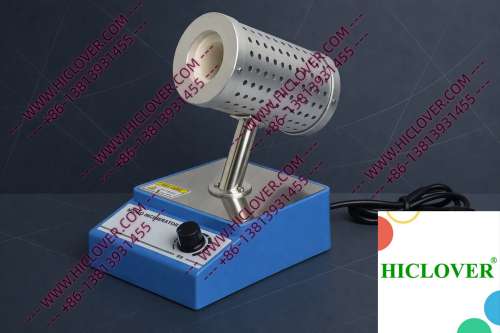
Contemporary biosafety challenges require labs to adopt better methods of infection control while enhancing workflow efficiency. Traditional sterilization methods such as alcohol lamps and Bunsen burners produce flames that can create aerosols—risk factors that can lead to contamination in cleanroom environments. Often, these setups are less stable and pose fire hazards, impacting laboratory workflow negatively as well.
The Micro Incinerator, utilizing infrared technology, provides a rapid thermal sterilization process that minimizes these risks. Designed with enclosed ceramic heating chambers, this innovative solution not only ensures the disinfection of inoculating loops but also contributes to a clean and controlled working environment.
Technical Principles of Infrared Loop Sterilizers
The operational principle of the Micro Incinerator revolves around infrared heat technology. The sterilizer operates by generating concentrated heat that is capable of achieving sterilization within seconds, ensuring that all microbial life on the inoculating loop is effectively eradicated.
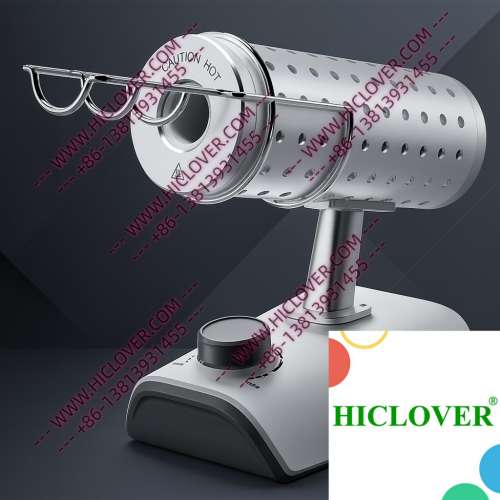
The enclosed ceramic tube contains the heat source, designed to prevent splatter and contamination effectively. Its ability to reach high temperatures quickly leads to aerosol-free handling, becoming increasingly important in high-containment labs. This innovation not only boosts efficiency but also conforms to modern sterilization standards, helping labs meet compliance guidelines effortlessly.
Application Scenarios in Real Labs
- Field Testing Labs: In mobile or field testing environments, where resources can be limited, the Micro Incinerator proves essential. Its lightweight design and rapid sterilization capabilities allow practitioners to perform tests without returning to a centralized lab, thus speeding up diagnosis and decision-making.
- University Teaching Labs: Educators can ensure student safety while teaching microbiological techniques by integrating the Micro Incinerator into laboratories. The device allows for quick demonstration of sterilization processes without the risks associated with traditional flame methods.
Regulatory Compliance and Environmental Considerations
Globally recognized standards for laboratory sterilization, like those set by the World Health Organization (WHO), emphasize the importance of contamination control. For facilities operating in Sydney, following such guidelines is not just compliant but vital for maintaining a safe working environment. The Micro Incinerator aligns well with these standards, especially for labs that require the absence of flames in cleanrooms.
The equipment is designed to minimize chemical byproducts and smoke, further contributing to a safer laboratory environment. This consideration is essential not only for regulatory compliance but also for promoting a healthier workplace for laboratory personnel.
Comparison: Micro Incinerator vs. Traditional Flame Sterilizers
| Feature | Micro Incinerator | Flame Sterilizers |
|---|---|---|
| Operation Time | Seconds | Minutes |
| Aerosol Production | None | High |
| Temperature Control | Consistent | Variable |
| Fire Hazard | Minimal | High |
| Compliance with Clean Room Standards | Yes | No |
Frequently Asked Questions
- What is the advantage of using a Micro Incinerator over a traditional Bunsen burner? The Micro Incinerator offers rapid thermal sterilization without the risks of aerosol contamination and fire hazards associated with open flames.
- How does the Micro Incinerator help ensure compliance with biosafety standards? Its flame-free operation and enclosed design prevent contamination and are aligned with WHO biosafety regulations for high-containment labs.
- Can the Micro Incinerator be used in field testing? Absolutely, its portability and efficient performance make it ideal for field applications where traditional methods are impractical.
- How quickly can I achieve sterilization with the Micro Incinerator? The unit achieves sterilization in just a matter of seconds, making it a highly efficient tool in any lab setting.
- Is training required to operate the Micro Incinerator? While user-friendly, some basic operational training is recommended to maximize safety and efficiency.
Conclusion
As Sydney’s medical practitioners navigate the challenges in laboratory biosafety and sterility, understanding the benefits of utilizing advanced sterilization technologies, such as the Micro Incinerator / Infrared Inoculating Loop Sterilizer, is essential. Its blend of safety, efficiency, and compliance-oriented design makes it an invaluable asset in clinical and educational settings alike. For those looking to enhance their sterilization workflow, don’t hesitate to reach out for further inquiries or to acquire this essential equipment for your lab.
Categories:
Tags: