
In modern laboratories, maintaining a sterile environment is crucial to prevent contamination and ensure the integrity of experimental results. Traditional sterilization techniques, such as alcohol lamps and Bunsen burners, have served their purpose well over the years. However, as laboratory biosafety challenges evolve, so do the demands for more efficient and effective sterilization tools. This need has led to the development of advanced devices like the Micro Incinerator and Infrared Inoculating Loop Sterilizer, which provide rapid thermal sterilization without the dangers associated with open flames.
Technical Principles of Micro Incinerators
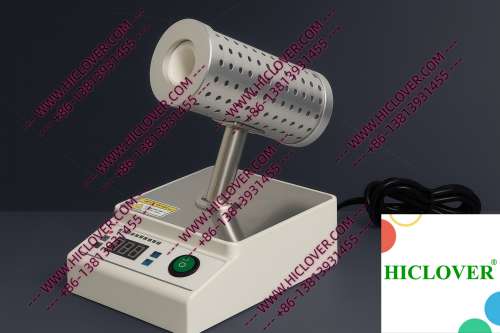
The Micro Incinerator operates on the principle of infrared heat, which delivers high-temperature disinfection efficiently. The device typically consists of an enclosed ceramic heating chamber that reaches temperatures exceeding 800°C in a matter of seconds. This rapid thermal sterilization process eliminates not only surface contaminants but also viable microorganisms, ensuring a high level of contamination control.
Unlike traditional flame sterilizers, Micro Incinerators operate without generating aerosols or smoke, making them clean-bench-safe. This feature is particularly beneficial for sensitive environments such as BSL-2 and BSL-3 microbiology labs, where contamination can jeopardize research results and safety.
Applications of Micro Incinerators in Laboratory Settings
Biosafety Cabinet Usage
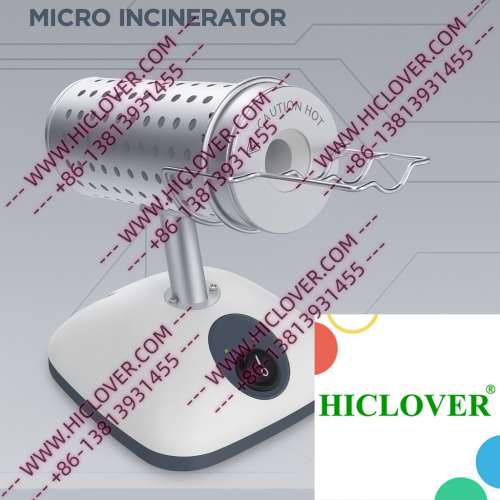
In a typical biosafety cabinet, researchers can utilize the Micro Incinerator for sterilizing inoculating loops and other tools during microbiological procedures. The compact design of these sterilizers allows easy integration within the workspace, maintaining air quality while ensuring effective sterilization. Micro Incinerators facilitate quick turnover between tasks, helping streamline workflows without compromising safety.
Field Testing and Teaching Labs
In teaching laboratories and fields, where efficiency and safety are paramount, the infrared inoculating loop sterilizer proves invaluable. For instance, during field testing of microbial populations, researchers can rely on portable sterilizers to quickly decontaminate their tools. This ensures integrity in sampling and data collection, vital for both academic assignments and professional research.
Compliance with Safety Standards
Adhering to international biosafety standards, such as those set forth by the World Health Organization (WHO), is essential for laboratory operations. The Micro Incinerator’s design eliminates the potential safety hazards of open flames, making it compliant with guidelines that prohibit such methods in cleanrooms and controlled environments.
Additionally, laboratories using infrared sterilization methods benefit from reduced fire risk, enhancing overall workplace safety. These features align with current laboratory sterilization standards that urge centers to prioritize non-flame sterilization methods, particularly in environments such as clinical diagnostics, which require sterile conditions to prevent contamination.
Advantages of Micro Incinerators Over Traditional Flame Sterilizers
- Rapid thermal sterilization, reducing waiting times
- No open flame, reducing fire hazards
- Elimination of aerosol generation, providing a cleaner working environment
- Consistent temperature control, ensuring effective disinfection
- Ease of use—plug-and-play design saves time
Comparison Table: Micro Incinerator vs. Flame Burners
| Feature | Micro Incinerator | Flame Burners |
|---|---|---|
| Heating Method | Infrared heat | Open flame |
| Temperature Control | Stable and consistent | Variable |
| Safety | No flame, aerosol-free | High risk of fire and burns |
| Setup Time | Immediate use | Requires fuel setup |
Frequently Asked Questions about Micro Incinerators
What types of applications can Micro Incinerators be used for?
Micro Incinerators are ideal for various laboratory applications, including microbiological procedures in biosafety cabinets, field testing, clinical diagnostics, and teaching labs.
What are the advantages of using infrared over traditional flame sterilization?
Infrared sterilization reduces contamination risks associated with aerosols, improves safety by eliminating open flames, and offers faster and more reliable sterilization.
Can Micro Incinerators be used in BSL-2 and BSL-3 laboratories?
Yes, Micro Incinerators are safe for use in BSL-2 and BSL-3 laboratories, providing effective and rapid sterilization without the risks of open flame.
How long does it take for a Micro Incinerator to reach operational temperature?
Micro Incinerators can reach operational temperatures in less than 30 seconds, allowing for quick sterilization between uses.
Are there any specific environmental concerns associated with using Micro Incinerators?
Micro Incinerators significantly reduce combustion by-products and aerosolized contaminants, supporting a cleaner and safer laboratory environment.
Conclusion
In an era where laboratory efficiency and safety are paramount, Micro Incinerators emerge as the superior choice for sterilization. They offer advanced features that cater to the modern lab’s needs, from academia to clinical diagnostics and field research. Transitioning from traditional flame sterilizers to infrared sterilization technology not only improves workflows but also adheres to stringent biosafety standards. For more information or to make a purchase, please contact our team today to discuss how we can fulfill your sterilization needs effectively.
Categories:
Tags: