
In the heart of Tanzania, challenges abound for laboratory technicians and healthcare professionals. Achieving the highest standards of biosafety while managing sterilization workflows can be daunting, particularly in rural settings where traditional methods are often impractical. The demand for effective, efficient, and safe sterilization technology has led to the adoption of innovations such as the Micro Incinerator, also known as the Infrared Inoculating Loop Sterilizer. This device not only enhances the operational efficiency of laboratories but is also pivotal in addressing local waste management issues.
Understanding the Technical Principles
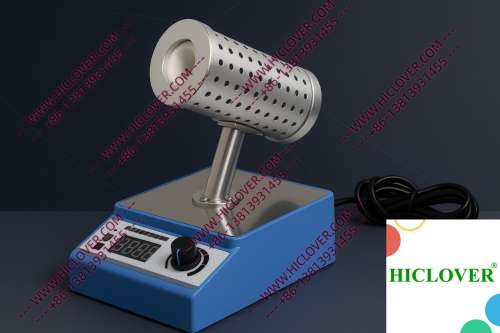
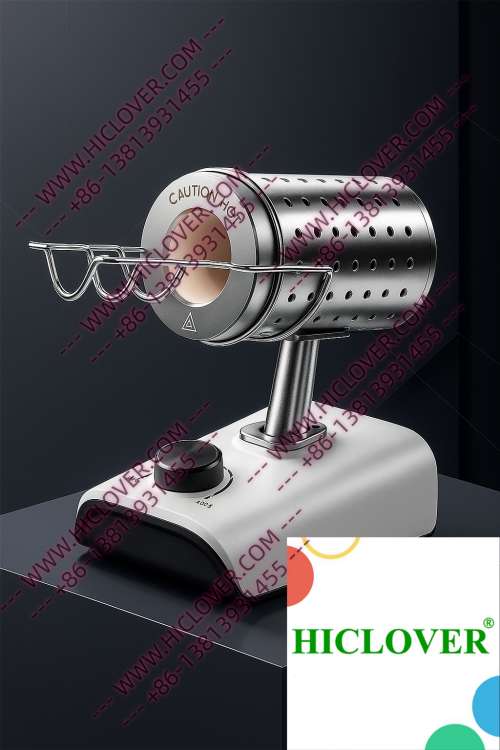
The Micro Incinerator is designed with cutting-edge ceramic heating technology that delivers rapid thermal sterilization. Utilizing infrared heat, this device operates within an enclosed ceramic tube that heats up almost instantaneously, allowing for effective disinfection without the hazards associated with open flames. Unlike traditional alcohol lamps or Bunsen burners, which pose a risk of flames in a cleanroom environment, the Micro Incinerator provides a safe alternative with aerosol-free handling.
This technology is particularly crucial in BSL-2 and BSL-3 microbiology labs, where strict sterilization protocols are essential to prevent contamination. The device’s quick heat-up time and controlled thermal output ensure that inoculation loops, needles, and other laboratory tools are sterilized effectively, minimizing downtime and maximizing productivity.
Applications in Real Laboratories
- Biosafety Cabinets: Within a biosafety cabinet, the Micro Incinerator can be utilized to sterilize tools while maintaining a sterile environment. The enclosed design prevents aerosol generation, ensuring the safety of laboratory personnel and the integrity of experimental results.
- Field Testing Labs: In rural settings, the portability of the Micro Incinerator allows field technicians to conduct sterilization on-site, thus minimizing the transport of potentially contaminated equipment back to a central lab. This feature is particularly valuable in outreach programs focused on microbial testing and diagnosis.
- University Teaching Labs: Educational institutions can benefit from incorporating the Micro Incinerator into their laboratory protocols, providing students with hands-on experience using advanced sterilization technology while adhering to biosafety regulations.
- What is a Micro Incinerator?
The Micro Incinerator is an advanced sterilization device that utilizes infrared heat for rapid and effective disinfection of laboratory tools. - How does it differ from traditional sterilizers?
Unlike flame burners, the Micro Incinerator operates without open flames, minimizing risks and ensuring compliance with biosafety regulations. - Can it be used in field conditions?
Yes, its portability allows for easy use in mobile testing labs and field applications, making it ideal for onsite sterilization. - What are the key health and safety standards it meets?
The Micro Incinerator aligns with WHO guidelines and laboratory compliance standards, suitable for BSL-2 and BSL-3 labs. - What is the benefit of using ceramic heating technology?
Ceramic heating provides efficient, high-temperature disinfection that is consistent and reliable, enhancing overall sterilization procedures.
Compliance and Environmental Considerations
As global biosafety standards evolve, compliance with WHO guidelines and other laboratory sterilization regulations becomes increasingly critical. The Micro Incinerator is designed to meet or exceed these standards, offering a clean, efficient method of sterilization that aligns with current lab practices. The absence of open flames ensures that it can be safely employed in clinical settings where flammable materials are present, such as in CO₂ incubators or anaerobic chambers.
Moreover, by incorporating effective waste management solutions like the Micro Incinerator, Tanzanian villages can tackle the issues linked to burnt waste and contamination. This technology not only promotes hygiene and safety but also encourages sustainable practices that enhance the well-being of communities.
Comparison: Micro Incinerator vs. Traditional Flame Burners
| Feature | Micro Incinerator | Flame Burners |
|---|---|---|
| Safety | Flame-free operation ensures aerosols are minimized | Open flames pose a fire hazard |
| Speed | Rapid thermal sterilization with instant heat-up | Slower, dependent on flame adjustment |
| Waste Management | Burns waste efficiently, encouraging proper disposal | Limited waste management capabilities |
| Environmental Compliance | Meets WHO biosafety standards | May not comply in cleanroom environments |
FAQs
Conclusion
The integration of the Micro Incinerator into Tanzanian villages embodies a sustainable approach to healthcare and laboratory practices. By embracing innovative sterilization technology, these communities can elevate their standards of safety, hygiene, and sustainability. If your organization is interested in enhancing your laboratory’s sterilization capabilities or supporting rural initiatives in Tanzania, consider reaching out for more information on procuring the Micro Incinerator today. Let’s empower change through better microbiology practices!
Categories:
Tags: