
In the realm of laboratory biosafety, efficiency in sterilization is paramount. Facilities across Kenya, from bustling research laboratories to educational institutions, face challenges in maintaining strict contamination control. The rising prominence of the Micro Incinerator, particularly the Infrared Inoculating Loop Sterilizer, is reshaping how labs manage sterilization processes. This article delves into the technical principles, applications, and compliance aspects of this innovative technology.
The Need for Reliable Sterilization Solutions
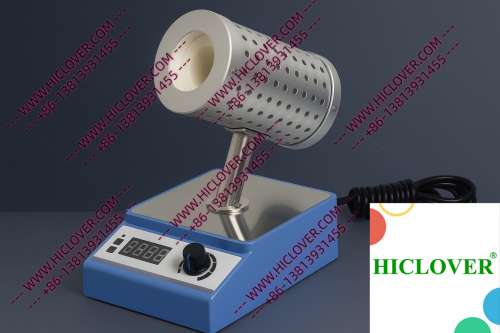
Traditional methods of sterilization, such as flame-based systems like alcohol lamps and Bunsen burners, often pose significant risks in preventing contamination. Given the intricate workflows in BSL-2 and BSL-3 microbiology labs, reliance on these traditional systems is becoming increasingly inadequate. The Micro Incinerator steps in as a game-changing alternative, ensuring rapid thermal sterilization while adhering to contemporary safety protocols.
Understanding the Micro Incinerator’s Technical Principles
The Micro Incinerator utilizes infrared technology to generate high temperatures instantaneously. This method employs an enclosed ceramic heating chamber that emits concentrated heat, allowing for efficient sterilization without the open flame. The device can achieve temperatures above 800°C, enabling it to rapidly and effectively disinfect inoculating loops, glass pipettes, and other small laboratory tools.
Key Features of the Micro Incinerator
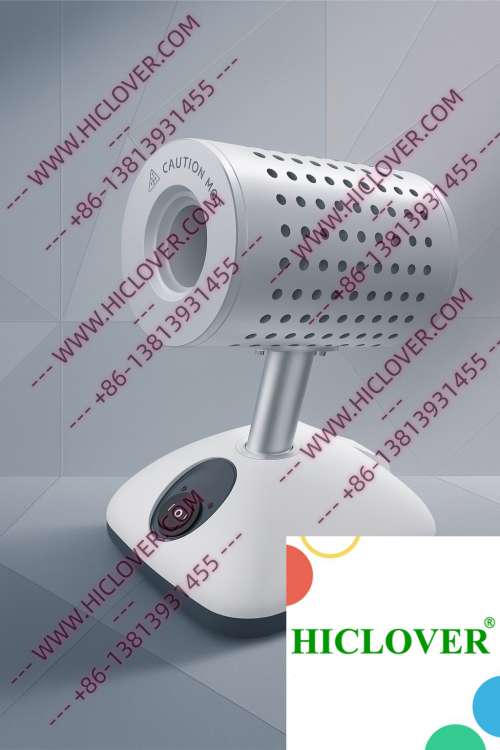
- Rapid Thermal Sterilization: Reduces waiting time between applications.
- Flame-Free Operation: Eliminates risk factors associated with open flames in clean environments.
- Compact Design: Suitable for a variety of lab settings, including field tests and university teaching labs.
- Environmental Consideration: Designed to minimize air pollution compared to traditional methods.
Applications of the Micro Incinerator in Laboratories
The use of Micro Incinerators spans various laboratory settings, including:
1. Biosafety Cabinets
In BSL-2 and BSL-3 labs, where the handling of pathogenic organisms is routine, maintaining a contamination-free environment is critical. Using the Micro Incinerator within a biosafety cabinet provides a clean and efficient way to sterilize tools without introducing aerosols that could compromise the lab environment.
2. Teaching Labs in Universities
Universities across Kenya are enhancing their practical biology courses by incorporating high-efficiency sterilization methods. The Micro Incinerator not only speeds up the sterilization process but also serves as an educational tool, helping students understand advanced sterilization technologies and their configurations. The flame-free design reduces hazards, cultivating a safer learning environment.
Compliance with International Standards
Adhering to laboratory sterilization standards is integral for any research facility. The World Health Organization (WHO) suggests strict compliance with biosafety practices, emphasizing the need for non-flame sterilization methods in clean rooms and clinical settings. This aligns with local regulations in Kenya tailored toward ensuring best practices in laboratories. With the Micro Incinerator, labs are able to meet these requirements while enhancing operational workflows.
Comparative Analysis: Micro Incinerator vs. Traditional Flame Burners
| Feature | Micro Incinerator | Flame Burners |
|---|---|---|
| Temperature Control | Precise and adjustable | Variable and hard to maintain |
| Safety | Flame-free, reduced risk of injury | Open flame, higher risk of accidents |
| Environmental Impact | Minimal emissions | Significant emissions of pollutants |
| Space Efficiency | Compact design | Bulkier and more cumbersome |
FAQs About Micro Incinerators
- What is a Micro Incinerator?
A Micro Incinerator is a laboratory device designed for efficient sterilization of inoculating loops and other tools using infrared technology.
- How does infrared sterilization work?
Infrared sterilization generates heat within a ceramic chamber allowing for quick and effective disinfection without an open flame.
- Are Micro Incinerators safe to use in clean rooms?
Yes, these devices are flame-free and minimize the risk of air contamination, making them suitable for clean and sterile environments.
- Can a Micro Incinerator be used for field testing?
Absolutely, its compact design makes it ideal for mobile laboratories and field settings.
- What are the benefits of using a Micro Incinerator over traditional flame sterilizers?
The advantages include rapid thermal sterilization, enhanced safety, lower environmental impact, and better containment of contamination.
Conclusion
As laboratories confront the challenges of contamination control head-on, the Micro Incinerator stands out as a reliable sterilization solution for a variety of applications, from biosafety cabinets to teaching labs. Its advanced technology not only meets compliance standards but also enhances workflow efficiency, making it an essential addition to modern laboratories across Kenya. Contact us today to learn more about how the Micro Incinerator can revolutionize your lab’s sterilization processes.
Categories:
Tags: