
In a world increasingly focused on sustainability, Morocco stands at the forefront of innovative waste management solutions. One of the most pressing challenges faced in laboratories and healthcare settings is effective sterile handling of biological materials. Traditional sterilization methods such as flame burners and alcohol lamps may not always suffice, particularly in fast-paced or clean environments. This is where Micro Incinerators, specifically the Infrared Inoculating Loop Sterilizer, play a critical role in enhancing laboratory workflows while adhering to biosafety standards.
Addressing Sterilization Workflow Demands
Laboratories are often constrained by strict biosafety and cleanliness requirements. In BSL-2 or BSL-3 microbiology labs, the treatment of biohazardous waste must prioritize contamination control and efficiency. In particular, workflows that involve rapid thermal sterilization of inoculating loops, needles, and other tools require devices that can quickly eradicate pathogens without introducing additional hazards.
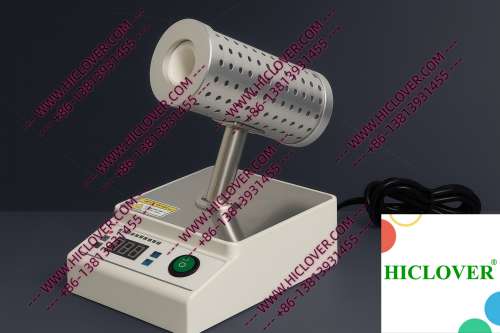
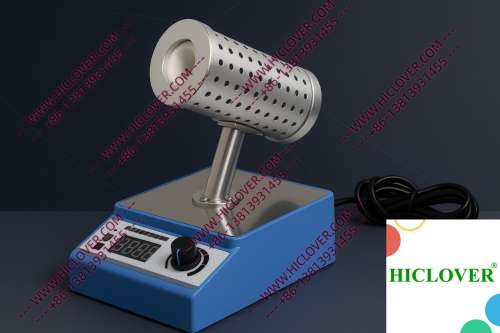
The Infrared Inoculating Loop Sterilizer offers a significant advantage. With its enclosed ceramic tube design, this device generates infrared high-temperature disinfection, which is both efficient and clean. This setup ensures that aerosols are minimized, providing a safe working environment for laboratory professionals, especially when used in biosafety cabinets and clean rooms.
Technical Principles of Micro Incinerators
Micro Incinerators utilize infrared heat to vaporize contaminants. This method is advantageous as it provides a direct, high-temperature source that is less prone to residue buildup compared to conventional flame-based tools. The enclosed ceramic heating chamber efficiently concentrates the heat, ensuring that the sterilization process is uniform and reliable. This allows for rapid sterilization with no open flames involved, making it ideal for sensitive laboratory settings.
Applications of Micro Incinerators in Laboratory Settings
- Biosafety Cabinets: In BSL-2 laboratories, it’s crucial to maintain a sterile environment. The Micro Incinerator integrates seamlessly into biosafety cabinets, providing a clean, flame-free method for sterilizing inoculating loops and other instruments without the risk of harmful aerosols or cross-contamination.
- Field Testing Laboratories: In mobile laboratory setups or during field research, the Infrared Inoculating Loop Sterilizer offers portability and efficiency. Its lightweight design ensures that researchers can conduct tests in remote locations while maintaining stringent sterilization protocols.
- Teaching Laboratories: In university settings, the incorporation of Micro Incinerators into practical teaching labs not only enhances the learning experience but also instills best practices for infection control among future scientists.
Compliance with Safety Standards
Global biosafety standards enlisted by the WHO and regional guidelines dictate stringent protocols for laboratory sterilization methods. Utilizing flame sterilizers is fraught with risks, especially in sterile environments that demand no open flames. Therefore, compliance with lab sterilization standards is paramount. The Micro Incinerator not only meets these requirements but enhances the overall safety of laboratory protocols.
Comparative studies indicate that devices like the Infrared Inoculating Loop Sterilizer are preferred over traditional flame sterilizers due to their enhanced safety and efficiency. Below is a comparison table highlighting the advantages:
| Feature | Micro Incinerator | Traditional Flame Sterilizers |
|---|---|---|
| Temperature Control | Precise Infrared Heat | Variable Flame |
| Emission of Aerosols | Minimal | High |
| Ease of Use | One-Step Operation | Requires Constant Monitoring |
| Safety in Clean Rooms | Yes | No |
FAQs About Micro Incinerators
- What are the advantages of using a Micro Incinerator over a traditional flame sterilizer?
Micro Incinerators offer precise temperature control, reduced aerosol emission, and enhanced safety in sterile environments. - Can Micro Incinerators be used in field operations?
Yes, their portability and ease of use make them ideal for mobile laboratory settings and field research. - Are Micro Incinerators compliant with WHO biosafety guidelines?
Absolutely, they meet the stringent requirements set forth for laboratory sterilization. - How do Micro Incinerators ensure efficient sterilization?
The infrared technology provides rapid thermal sterilization, capable of handling a variety of instruments without residue. - What is the expected lifespan of a Micro Incinerator?
With proper care, Micro Incinerators are designed for long-term use, making them a worthy investment in laboratory equipment.
Conclusion: Invest in a Sustainable Future
The advancements in waste-to-energy technologies, specifically through the use of Micro Incinerators in Morocco, underscore a commitment to innovative solutions for laboratory sterilization and waste management. By choosing the Infrared Inoculating Loop Sterilizer, laboratories can ensure compliance with biosafety standards while enhancing workflow efficiency. For those looking to elevate their sterilization protocols and embrace cleaner, safer practices, now is the time to invest in Micro Incinerators.
If you’re interested in upgrading your laboratory equipment or would like more information about Micro Incinerators, we encourage you to reach out. Together, we can support Morocco’s sustainable future through effective waste management and advanced sterilization solutions!
Categories:
Tags: