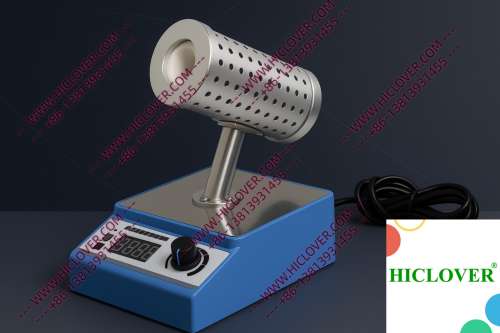
In the laboratory environment, ensuring biosafety is of paramount importance, especially when working with pathogens in Sudan. With a pressing need for effective sterilization methods, laboratories face numerous challenges: contamination control, rapid thermal sterilization, and compliance with international biosafety standards. Traditional flame sterilizers such as alcohol lamps and Bunsen burners pose inherent risks, including flame hazards and the potential for aerosol generation. In this landscape, Infrared Inoculating Loop Sterilizers, specifically the Micro Incinerator, are revolutionizing laboratory workflows.
Advantages of Micro Incinerators Over Traditional Flame Sterilizers
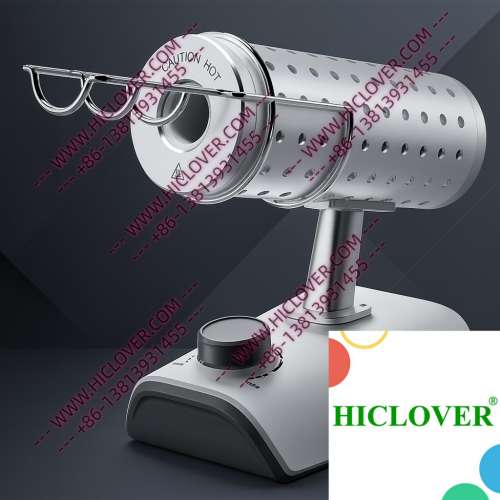
The Micro Incinerator or Infrared Inoculating Loop Sterilizer presents several benefits that make it indispensable in modern laboratories.
- Rapid Thermal Sterilization: The Micro Incinerator utilizes infrared heat to achieve high temperatures quickly, allowing for efficient sterilization of inoculating loops without prolonged waiting times.
- Enclosed Ceramic Heating Chamber: This design minimizes the risk of airborne contaminants, unlike open flames that can release aerosols.
- Clean-Bench Safe: The unit can operate safely in biosafety cabinets and other clean environments, adhering to stringent laboratory safety protocols.
- Aerosol-Free Handling: The elimination of flames reduces the risk of aerosol generation, which is crucial for working with pathogenic microorganisms in BSL-2 or BSL-3 labs.
- Non-incineration methods for clean indoor air quality.
- Adequate infection control measures in line with the latest WHO guidelines.
- Complete elimination of flameless heating, preventing potential inhalation risks during sterile handling.
Technical Principles of Operation
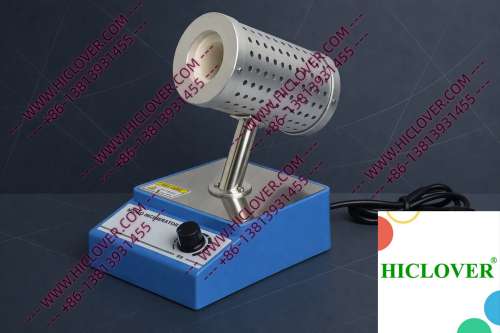
The Micro Incinerator operates using advanced infrared technology that generates radiant heat through a ceramic heating element. The enclosed nature of the heating chamber ensures that heat is directed efficiently toward the inoculating loop, achieving sterilization in seconds. This setup not only accelerates the sterilization process but also enhances user safety, particularly in high-stakes environments like clinical diagnostics or university teaching labs where precision and safety are non-negotiable.
“The innovative design of the Micro Incinerator significantly reduces risks associated with traditional flame-use, making it an ideal choice for laboratories across Sudan.”
Real-World Applications of Micro Incinerators
Micro Incinerators are versatile and find application in various laboratory settings. Here are two examples of their real-world applications:
Biosafety Cabinets
In many Sudanese laboratories, microbes are handled in BSL-2 or BSL-3 environments. The use of Micro Incinerators in biosafety cabinets provides a controlled and sterile environment for inoculation. Researchers and lab technicians can effectively sterilize loops between samples without introducing additional contamination risks, thus maintaining the integrity of experimental results.
Field Testing Labs
In remote or mobile testing labs, especially those dealing with infectious diseases, traditional flame sterilizers are impractical due to logistics and safety concerns. The portability and ease of use of Micro Incinerators enable safe sterilization in field testing scenarios where conditions are suboptimal. Analysts can maintain high standards of infection control in the aftermath of outbreaks, thus improving response times to public health emergencies.
Compliance with International Standards
Adhering to WHO biosafety standards and laboratory sterilization regulations is vital in Sudan, especially considering the country’s health challenges. The Micro Incinerator fulfills these compliance requirements by ensuring:
Organizations can be assured that using Infrared Inoculating Loop Sterilizers aligns with international health guidelines, creating a safer environment for both lab workers and patients.
Comparison between Micro Incinerator and Traditional Flame Sterilizers
| Feature | Micro Incinerator | Traditional Flame Sterilizers |
|---|---|---|
| Speed of Sterilization | Seconds | Minutes |
| Safety | Flameless, reduces aerosol risk | Flame, higher risk of burns and containment breaches |
| Usability in Clean Environments | Designed for biosafety cabinets | Poor, restricts airflow and increases contamination risks |
| Efficiency | High energy efficiency | Variable, dependent on user skill |
FAQs About Micro Incinerators
1. What makes the Micro Incinerator better for laboratory sterilization?
The Micro Incinerator is more effective than traditional flame sterilizers as it offers rapid thermal sterilization without open flames, thus minimizing contamination risks.
2. Can I use a Micro Incinerator in a biosafety cabinet?
Yes, its design allows safe use within biosafety cabinets, enhancing sterile conditions during experiments.
3. How does the Micro Incinerator adhere to WHO biosafety standards?
The Micro Incinerator meets WHO guidelines by eliminating flame and reducing aerosol risks, ensuring compliance with international sterilization protocols.
4. What types of labs can benefit from using a Micro Incinerator?
BSL-2 and BSL-3 labs, clinical diagnostics facilities, university teaching labs, and mobile field testing labs can all benefit from the Micro Incinerator’s safety and efficacy.
5. How energy-efficient is the Micro Incinerator?
The Micro Incinerator operates at high energy efficiency, using infrared heat to accomplish sterilization quickly and effectively.
Conclusion
The world of laboratory sterilization is evolving, and the Micro Incinerator stands at the forefront, providing invaluable advantages in infection control within Sudanese laboratories. As health challenges persist, the shift towards reliable and safe sterilization methods is not just a trend but a necessity. Contact us today to explore our Micro Incinerators or request a demonstration for your laboratory needs.
Categories:
Tags: